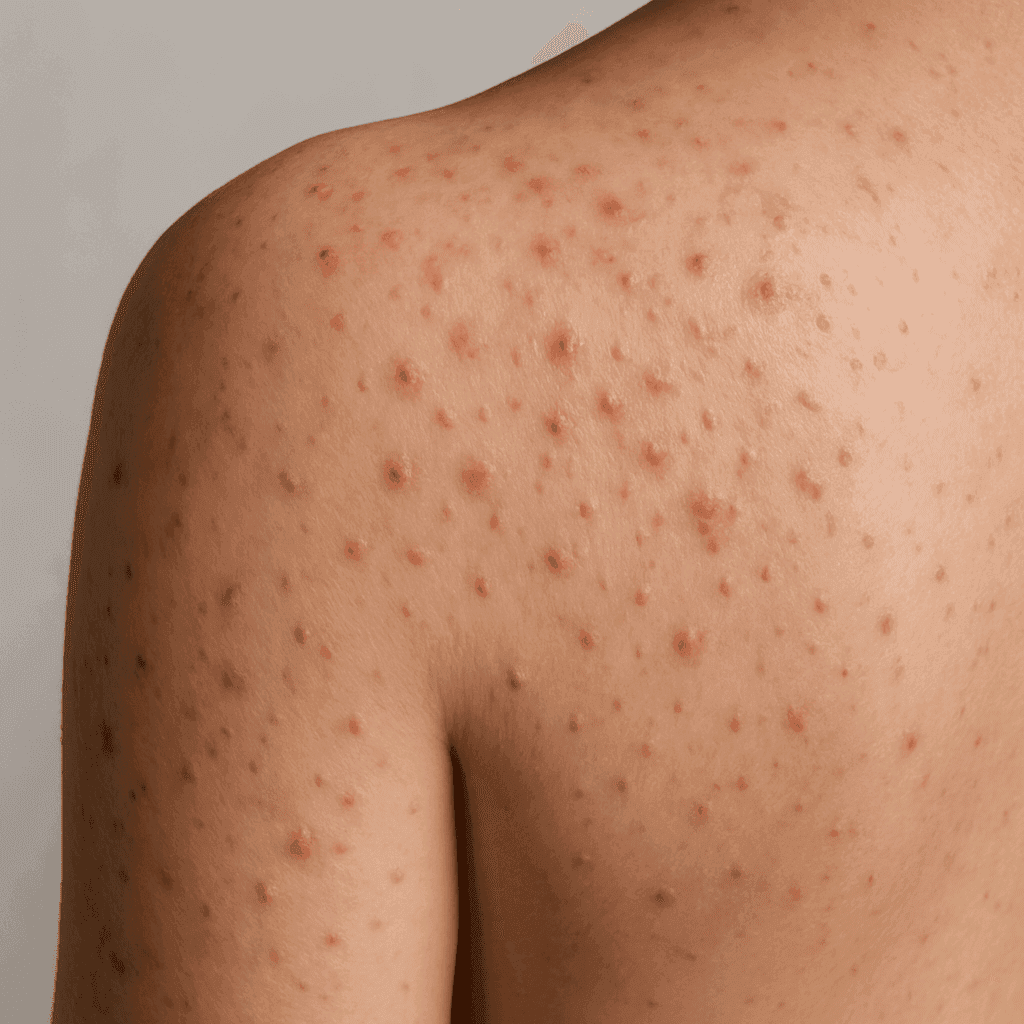
Anti-Inflammatory Diet for Healthy Skin: Foods to Eat and Avoid
Discover foods to improve skin health and reduce inflammation.
Introduction
The relationship between diet and skin health is a topic of growing interest in the field of dermatology. An anti-inflammatory diet can play a pivotal role in maintaining healthy skin by reducing inflammation, which is often a root cause of many skin conditions. Inflammation can lead to redness, irritation, and even accelerate the aging process. Understanding how diet affects skin health is essential for anyone looking to enhance their complexion naturally.
Understanding Inflammation and Skin Health
Inflammation is the body's natural response to injury or infection, designed to protect and heal. However, chronic inflammation can have detrimental effects on the skin, contributing to conditions such as acne, eczema, and psoriasis. It can manifest as redness, swelling, and even lead to premature aging. By addressing inflammation through diet, individuals can potentially improve their skin's appearance and health.
Benefits of an Anti-Inflammatory Diet for Skin
Adopting an anti-inflammatory diet can have several benefits for the skin. First, it helps reduce redness and irritation, which are common symptoms of inflammation. By including foods that promote healing, such as those rich in antioxidants and omega-3 fatty acids, skin can recover and repair more effectively. Additionally, such a diet can slow down the aging process by protecting the skin from oxidative stress, a key contributor to wrinkles and fine lines.
Foods to Eat for Healthy, Inflammation-Free Skin
Incorporating omega-3 rich foods like salmon and walnuts can significantly benefit the skin by reducing inflammation. Antioxidant-rich fruits and vegetables, such as berries and leafy greens, combat oxidative stress and support skin health. Spices like turmeric and ginger have anti-inflammatory properties that aid in soothing the skin. Whole grains provide essential nutrients and help maintain a stable blood sugar level, reducing inflammation. Including these foods in your diet can promote a healthy, glowing complexion.
Foods to Avoid for Reducing Skin Inflammation
Certain foods can exacerbate inflammation and should be minimized in an anti-inflammatory diet. Processed and sugary foods are known to trigger inflammatory responses in the body. Dairy products can also impact skin health, particularly for those with sensitivities. Refined carbohydrates, such as white bread and pastries, may contribute to skin issues by causing spikes in blood sugar levels. Identifying and avoiding common allergens can also play a crucial role in managing skin inflammation.
Creating an Anti-Inflammatory Diet Plan
Creating a balanced meal plan that focuses on anti-inflammatory foods can be simple and effective. Start your day with a smoothie packed with berries and spinach. For lunch, enjoy a salad with mixed greens, grilled chicken, and a sprinkle of flaxseeds. Dinner could include baked salmon with a side of quinoa and steamed vegetables. Incorporating these foods into your daily routine can help maintain skin health and reduce inflammation. Remember, staying hydrated is crucial for maintaining skin elasticity and health.
Lifestyle Changes to Support an Anti-Inflammatory Diet
In addition to dietary changes, certain lifestyle modifications can support skin health. Managing stress through techniques such as meditation or yoga can reduce cortisol levels, which are often linked to inflammation. Regular exercise improves circulation, promoting healthy skin. Adequate sleep is vital for skin regeneration and repair, as the body uses this time to heal and recover. Combining these lifestyle changes with an anti-inflammatory diet can enhance overall skin health.
Conclusion
An anti-inflammatory diet offers numerous benefits for skin health, from reducing redness to preventing premature aging. By making informed dietary choices, individuals can support their skin's natural healing processes and achieve a healthier complexion. While diet plays a significant role, it's important to remember that it should complement, not replace, professional medical advice. For personalized guidance, consider consulting a dermatologist.
FAQs
What are the best anti-inflammatory foods for acne-prone skin?
Foods rich in omega-3 fatty acids, antioxidants, and fiber, such as salmon, spinach, and berries, can help reduce acne inflammation.
Can an anti-inflammatory diet help with eczema?
Yes, an anti-inflammatory diet can potentially reduce eczema symptoms by minimizing inflammation and promoting skin healing.
How long does it take to see skin improvements with an anti-inflammatory diet?
Results can vary, but many people notice improvements in skin texture and clarity within a few weeks to a couple of months.
Are there any specific foods that worsen skin inflammation?
Foods high in sugar, processed items, and dairy products can exacerbate skin inflammation and should be limited.
Can stress affect skin inflammation despite a healthy diet?
Yes, stress can trigger inflammatory responses in the body, impacting skin health even if the diet is healthy. Managing stress is crucial.
Is an anti-inflammatory diet suitable for all skin types?
An anti-inflammatory diet is generally beneficial for all skin types, but individuals should tailor it to their specific needs and consult with a healthcare provider if necessary.