Guttate Psoriasis: Risk Factors and Management
Understanding risk factors and management.
Introduction
Guttate psoriasis is a common form of psoriasis that manifests as small, drop-shaped lesions on the skin. It is particularly prevalent among children and young adults. Understanding the risk factors and management options is crucial for those affected by this condition. By gaining insight into potential triggers and effective treatments, individuals can better manage their symptoms and improve their quality of life.
What is Guttate Psoriasis?
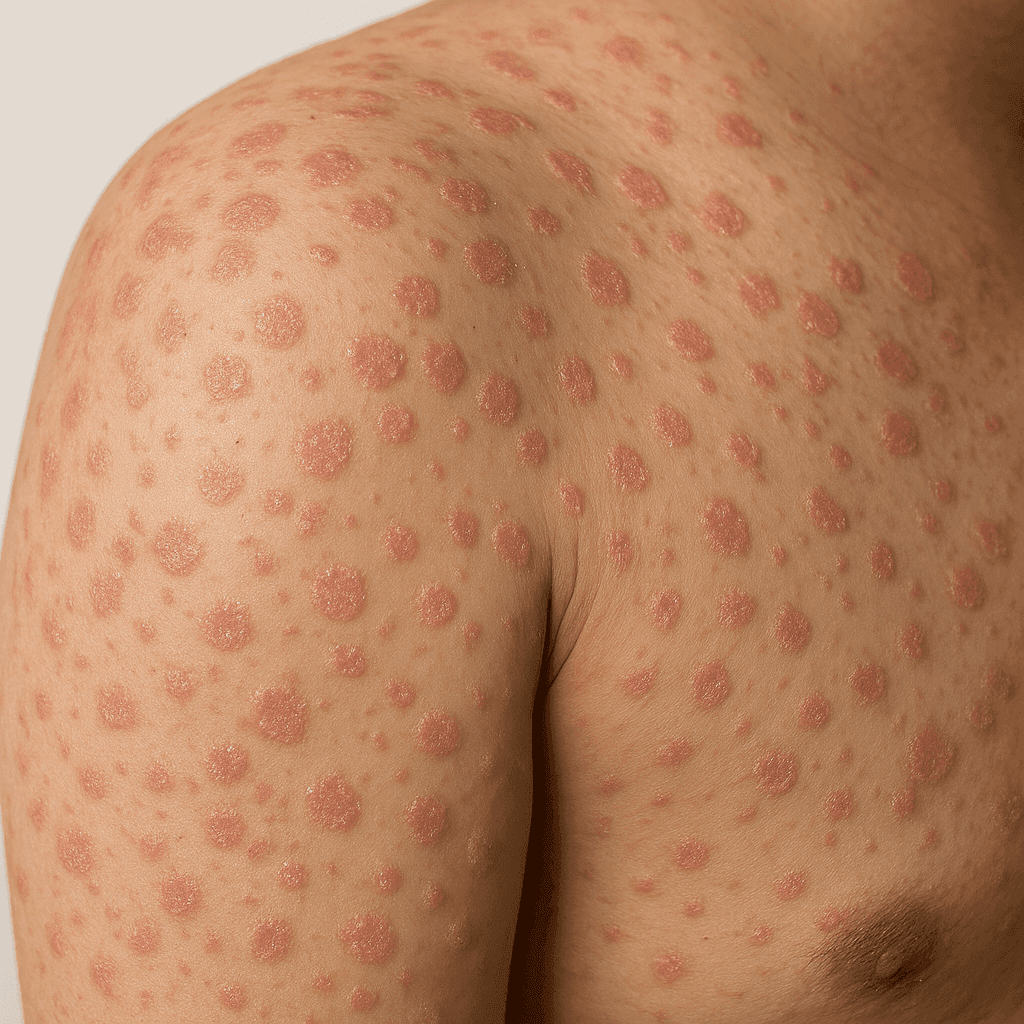
Guttate psoriasis is characterized by numerous small, red, scaly patches that appear suddenly on the skin, often on the trunk and limbs. Unlike plaque psoriasis, which presents with larger, thicker plaques, guttate psoriasis lesions are typically smaller and more scattered. This form of psoriasis can be triggered by various factors and may resolve on its own or with treatment.
Causes of Guttate Psoriasis
Guttate psoriasis is often linked to genetic predispositions, with certain gene mutations increasing susceptibility. Environmental triggers, such as stress and skin injuries, can exacerbate the condition. A notable trigger is a streptococcal infection, commonly known as strep throat, which can initiate or worsen flare-ups in predisposed individuals.
Symptoms of Guttate Psoriasis
The initial signs of guttate psoriasis include small, red spots that quickly become scaly. These lesions may itch or cause discomfort, and they often appear on the trunk, arms, and legs. Recognizing a flare-up involves noting the sudden appearance of these lesions, often following an infection or stress.
Risk Factors for Guttate Psoriasis
Guttate psoriasis can affect individuals of any age, though it is more common in children and young adults. A family history of psoriasis increases the likelihood of developing the condition. Infections, particularly streptococcal infections, can trigger immune responses that lead to flare-ups. Stress and skin trauma are additional risk factors that may exacerbate the symptoms.
Diagnosis of Guttate Psoriasis
A clinical evaluation by a dermatologist is essential for diagnosing guttate psoriasis. The diagnosis is often based on the appearance and distribution of the lesions. In some cases, a skin biopsy or blood tests may be conducted to rule out other conditions and confirm the diagnosis.
Management and Treatment Options
Medical Treatments
Treatment for guttate psoriasis often involves topical corticosteroids to reduce inflammation and relieve symptoms. In more severe cases, systemic medications, such as methotrexate or biologics, may be prescribed. Phototherapy, using ultraviolet light, is another effective treatment option, helping to slow down skin cell turnover.
Lifestyle and Home Remedies
Managing guttate psoriasis involves adopting a skincare routine that includes moisturizing regularly and avoiding irritants. Dietary changes, such as reducing alcohol and inflammatory foods, can be beneficial. Stress management techniques like yoga and meditation may help to prevent flare-ups.
Alternative and Complementary Therapies
Some individuals explore natural remedies, including the use of aloe vera or fish oil supplements, which might offer symptom relief. Mind-body interventions such as acupuncture or mindfulness can also support overall well-being.
Living with Guttate Psoriasis
Coping with guttate psoriasis requires understanding and support. Joining support groups can provide emotional relief and practical advice. Engaging with healthcare providers regularly ensures that treatment plans are optimized. Educating friends and family about the condition can foster a supportive environment.
FAQs
Frequently Asked Questions
What triggers guttate psoriasis flare-ups?
Common triggers include infections, stress, and skin injuries. Avoiding these can help manage flare-ups.
Can guttate psoriasis go away on its own?
Yes, it can resolve spontaneously, especially in children, though treatment can speed up recovery.
How is guttate psoriasis related to strep throat?
Strep throat can trigger guttate psoriasis due to an immune response, leading to a flare-up.
Are there any specific diets that help manage guttate psoriasis?
Anti-inflammatory diets rich in omega-3 fatty acids may help manage symptoms.
Is guttate psoriasis contagious?
No, guttate psoriasis is not contagious and cannot be spread from person to person.
What are the long-term effects of guttate psoriasis?
While some may experience only a single outbreak, others might have recurrent episodes. Managing the condition can minimize long-term effects.