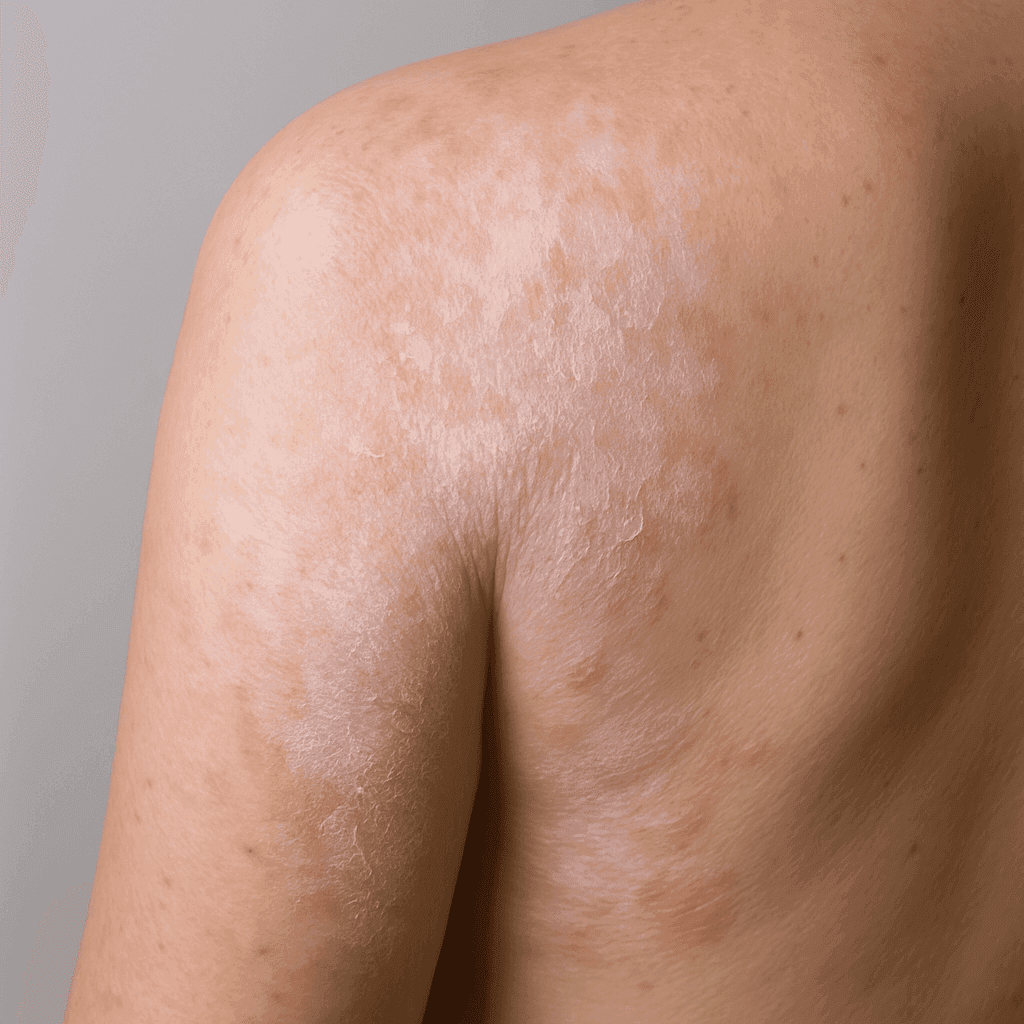
Lichen Sclerosus: Causes, Symptoms and Treatment
Understanding and managing lichen sclerosus effectively.
Introduction
Lichen sclerosus is a chronic skin condition characterized by white patches that can appear on the skin, often causing discomfort and itching. While it can affect anyone, it is most commonly seen in postmenopausal women. Understanding lichen sclerosus is crucial for effective management and improving quality of life for those affected. This article explores the causes, symptoms, and treatment options available for lichen sclerosus, offering insights into managing the condition day-to-day.
What is Lichen Sclerosus?
Lichen sclerosus is a long-term skin disorder that leads to thin, white, and patchy skin. It primarily affects the genital and anal areas but can also appear on the upper body or arms. The condition is more prevalent in women, especially after menopause, although men and children can also be affected. Its exact cause remains unknown, but several factors may contribute to its development, including genetic, hormonal, and autoimmune components.
Causes of Lichen Sclerosus
The precise cause of lichen sclerosus is still under investigation. However, it is believed to have links to autoimmune disorders, where the body's immune system mistakenly attacks its own tissues. Genetic predisposition also plays a role, as the condition sometimes runs in families. Hormonal imbalances, especially in women, may exacerbate symptoms, particularly after menopause when estrogen levels decline.
Potential Autoimmune Links
Research suggests that people with lichen sclerosus may have a higher likelihood of having or developing other autoimmune conditions, such as thyroid disorders. This potential connection highlights the importance of monitoring overall health in affected individuals.
Symptoms of Lichen Sclerosus
Common symptoms of lichen sclerosus include itching, discomfort, and white patches on the skin. In severe cases, the skin may become thin and fragile, leading to tearing and bleeding. Symptoms can vary between genders, with women often experiencing significant itching and discomfort in the vulvar region, while men may notice tightening of the foreskin, leading to difficulty retracting it.
Differences in Symptoms Between Genders
In women, lichen sclerosus can cause painful intercourse due to changes in skin elasticity. For men, phimosis, or the inability to retract the foreskin, is a common complication, which may require medical intervention. Understanding these differences is crucial for targeted management and treatment.
Diagnosing Lichen Sclerosus
Diagnosis of lichen sclerosus typically involves a thorough physical examination by a dermatologist, who may also perform a biopsy to confirm the diagnosis. A biopsy involves taking a small sample of affected skin to examine under a microscope for characteristic changes. Other tests may be performed to rule out infections or other skin conditions that mimic its symptoms.
Treatment Options for Lichen Sclerosus
The primary treatment for lichen sclerosus involves topical corticosteroids, which help reduce inflammation and alleviate symptoms. In some cases, other medications such as retinoids or calcineurin inhibitors might be prescribed. Surgical options, such as circumcision for men with severe phimosis, may be considered if topical treatments are ineffective.
Topical Corticosteroids
Corticosteroids are the first line of treatment and are applied directly to the affected areas to reduce inflammation and manage symptoms. It's crucial to use these medications as prescribed to minimize potential side effects and achieve the best results.
Managing Lichen Sclerosus
Managing lichen sclerosus involves a combination of lifestyle changes, natural remedies, and psychological support. Adopting a skincare routine that keeps the skin moisturized can help prevent flare-ups. Dietary changes, such as reducing sugar intake, may also play a role in managing symptoms.
Natural and Home Remedies
Some individuals find relief through natural remedies such as aloe vera, coconut oil, or dietary supplements like omega-3 fatty acids. While these may complement medical treatments, it is essential to consult with a healthcare provider before trying new remedies to ensure they are safe and effective.
Lichen Sclerosus in Different Populations
Lichen sclerosus affects different populations in various ways. For women, the condition can be particularly distressing due to its impact on sexual health and comfort. In men, the focus is often on managing phimosis and related complications. Children with lichen sclerosus require careful monitoring as the condition can affect their development and quality of life.
Women and Lichen Sclerosus
Women may experience significant discomfort and psychological distress due to the impact on their daily lives and intimate relationships. Regular follow-up with a healthcare provider is essential to manage symptoms and prevent complications.
Complications and Long-term Effects
If left untreated, lichen sclerosus can lead to severe complications, including scarring, skin cancer, and severe discomfort in affected areas. Regular monitoring and treatment are critical to prevent these long-term effects. The importance of regular follow-up and adherence to treatment plans cannot be overstated in managing the condition effectively.
Preventing Flare-ups
Preventing flare-ups of lichen sclerosus involves maintaining a consistent skincare routine, avoiding known irritants, and managing stress levels. Using moisturizers regularly and avoiding harsh soaps can help maintain skin integrity and reduce the risk of flare-ups. Skincare routines tailored to individual needs can significantly impact the management of the condition.
Living with Lichen Sclerosus
Living with lichen sclerosus can be challenging, but with proper management and support, individuals can lead fulfilling lives. Support groups and online forums provide a platform for sharing experiences and advice, helping those affected to feel less isolated. Access to resources and information is crucial in empowering individuals to take control of their condition and improve their quality of life.