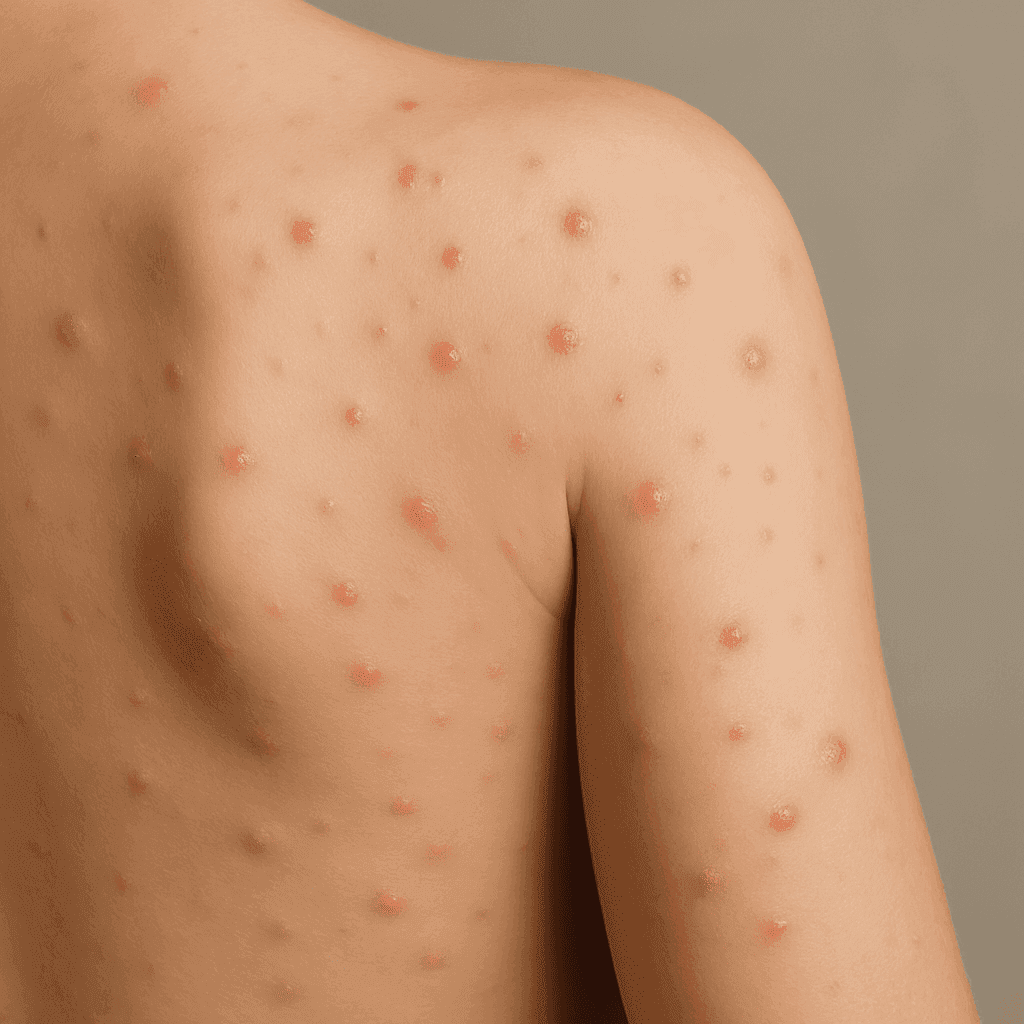
Red Bumps on a Child’s Skin: When to See a Dermatologist
Understanding when to see a dermatologist.
Introduction
Red bumps on a child's skin can be a common concern for many parents. While often harmless, they can sometimes indicate underlying conditions that require professional attention. Understanding when to seek medical advice is crucial to ensure your child's health and well-being. This article explores the causes of red bumps on children's skin and when it might be necessary to consult a dermatologist.
Common Causes of Red Bumps on a Child’s Skin
Eczema
Eczema, or atopic dermatitis, is a chronic skin condition that often presents as red, itchy bumps on the skin. These bumps can appear anywhere on the body but are most common on the face, neck, and limbs. Triggers such as irritants, allergens, and stress can exacerbate symptoms. Management includes moisturizing the skin regularly and avoiding known triggers.
Allergic Reactions
Allergic reactions can cause red bumps, known as hives or urticaria, on a child's skin. These reactions may result from foods, medications, or environmental factors like pollen. Symptoms include raised, itchy welts that can appear suddenly and vary in size. Identifying and avoiding allergens is key to managing allergic reactions.
Infections
Bacterial and viral infections can also cause red bumps on a child's skin. Impetigo, a common bacterial infection, often presents as red sores that can break open. Viral infections like chickenpox cause itchy, blister-like rashes. Recognizing signs of infection, such as fever or pus, is important for seeking timely medical care.
Heat Rash
Heat rash occurs when sweat ducts become blocked and trap perspiration under the skin. It is common in hot, humid conditions and appears as small, itchy red bumps. Preventative measures include keeping the skin cool and dry. Treatment typically involves cool baths and wearing loose clothing.
Other Skin Conditions
Less common causes of red bumps include conditions like psoriasis or insect bites. Psoriasis is marked by thickened, red patches with silvery scales, while insect bites may cause localized redness and swelling. If red bumps persist or are accompanied by other symptoms, consider alternative diagnoses and consult a healthcare professional.
When to See a Dermatologist
Signs that require professional evaluation include persistent bumps, those that cause significant discomfort, or are accompanied by systemic symptoms like fever. A timely diagnosis can lead to more effective treatment and prevent complications. Dermatologists can perform evaluations to determine the cause and recommend appropriate treatment strategies.
Diagnosis and Treatment Options
Diagnostic Procedures
Dermatologists may use various tests such as skin biopsies, allergy testing, or cultures to diagnose the cause of skin bumps. These tests help confirm the diagnosis and guide treatment plans.
Treatment Strategies
Treatment may include topical creams, oral medications, or lifestyle changes. Over-the-counter options are available for mild cases, but prescription treatments might be necessary for more severe conditions. Home care tips include regular moisturizing and avoiding known irritants.
Preventative Measures
Maintaining healthy skin in children involves several strategies. Regular moisturizing, wearing protective clothing, and using hypoallergenic products can help prevent skin issues. Dietary considerations, such as ensuring a balanced diet rich in vitamins, also contribute to skin health. Environmental factors like temperature control play a role in preventing conditions like heat rash.
Conclusion
While red bumps on a child's skin are often benign, recognizing when to seek professional advice ensures timely intervention and care. Awareness of common causes and symptoms can help parents make informed decisions about their child's health. Remember, when in doubt, consulting a healthcare professional is always the best course of action.
Frequently Asked Questions
What are the most common causes of red bumps on a child’s skin?
Typical causes include eczema, allergic reactions, infections, and heat rash. Each condition has distinct characteristics and may require different management strategies.
How can I tell if my child’s skin bumps are serious?
Serious conditions often involve persistent symptoms, discomfort, or systemic signs like fever. Seek medical advice if any of these are present.
Are there home remedies for treating red bumps on a child’s skin?
Home treatments can include cool baths, moisturizers, and antihistamines for mild cases. Always consult a healthcare provider before trying new treatments.
Can diet affect my child’s skin condition?
Yes, certain foods can trigger allergic reactions or exacerbate conditions like eczema. A balanced diet supports overall skin health.
How can I prevent red bumps from appearing on my child’s skin?
Preventative strategies include regular moisturizing, avoiding known triggers, and maintaining a healthy diet and environment.
What should I expect during a dermatology appointment for my child?
A dermatologist will review your child’s medical history, perform a physical examination, and possibly conduct tests to diagnose the condition accurately. Treatment plans will be discussed based on findings.