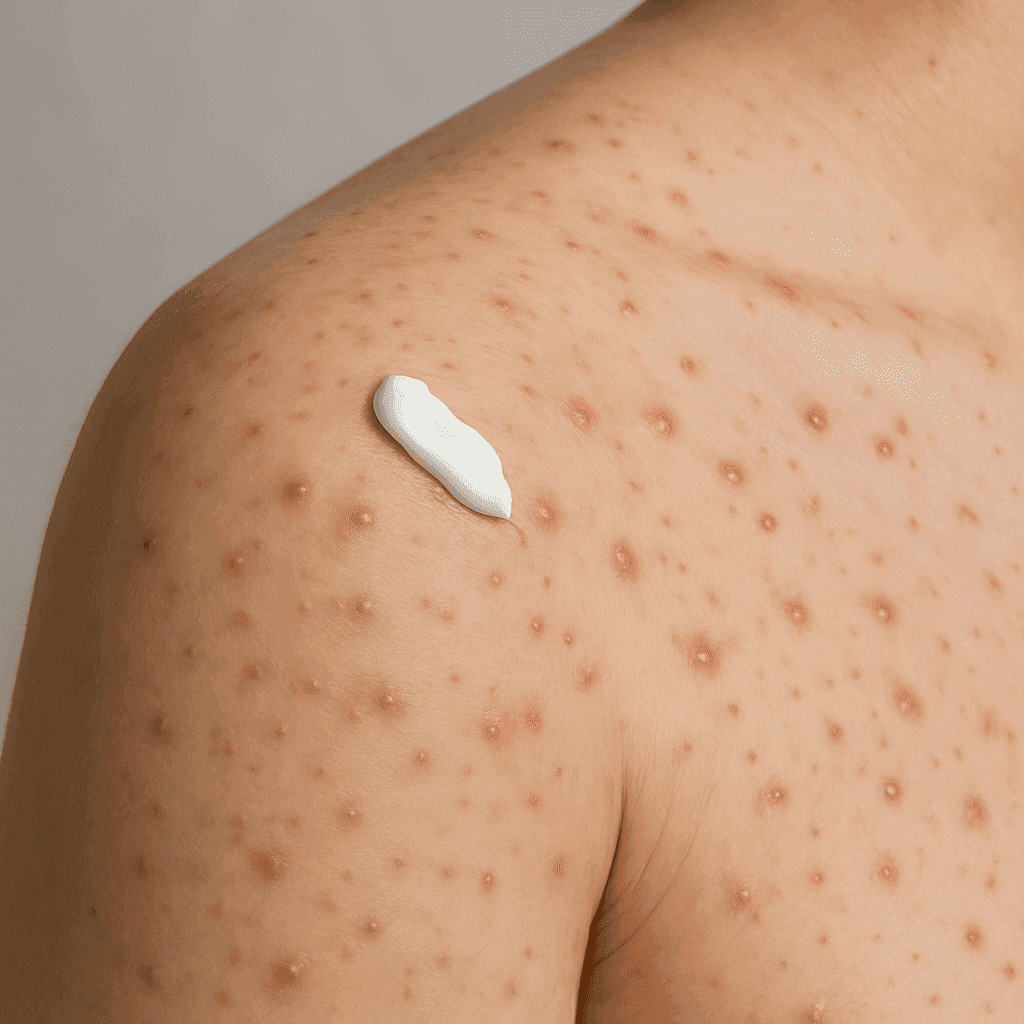
Retinoid Ointments: How They Treat Acne
Understanding retinoid ointments for acne treatment.
Introduction
Acne is a prevalent skin condition that affects individuals of all ages, causing physical and emotional distress. Traditional treatments for acne include topical creams, oral medications, and lifestyle modifications. Among the topical treatments, retinoid ointments have gained popularity for their effectiveness in managing acne. This article explores the role of retinoid ointments in acne treatment, providing insights into their benefits, application, and potential side effects.
What Are Retinoid Ointments?
Retinoids are a class of compounds derived from vitamin A, used extensively in dermatology for their regenerative properties. These compounds include tretinoin, adapalene, and tazarotene, each varying in strength and formulation. Retinoid ointments are distinguished from retinol, which is a milder, over-the-counter derivative. While retinol is beneficial for gentle anti-aging treatments, retinoids are more potent and effective for acne control.
How Retinoid Ointments Work for Acne
Retinoid ointments combat acne by accelerating skin cell turnover, thus preventing clogged pores. By promoting the shedding of old skin cells and the growth of new ones, retinoids help to keep the pores clear and reduce the formation of acne lesions. Additionally, their anti-inflammatory properties help to minimize redness and swelling associated with acne, making them a comprehensive treatment option.
Benefits of Using Retinoid Ointments
Retinoid ointments are highly effective in treating various forms of acne, including comedonal and inflammatory acne. Beyond acne management, they offer additional skin benefits such as reducing fine lines and improving skin texture, contributing to a more youthful appearance. These multi-faceted benefits make retinoid ointments a valuable addition to acne treatment regimens.
How to Use Retinoid Ointments for Acne
When incorporating retinoid ointments into your skincare routine, it is essential to follow certain guidelines to maximize benefits and minimize irritation. Start by applying a pea-sized amount to clean, dry skin at night, gradually increasing frequency as your skin adjusts. To prevent excessive dryness, consider using a moisturizer over the retinoid. Combining retinoids with other skincare products, such as benzoyl peroxide, should be done under a dermatologist's guidance to avoid irritation.
Potential Side Effects and How to Manage Them
Common side effects of retinoid ointments include dryness, peeling, and mild irritation, especially during the initial weeks of use. To mitigate these effects, apply moisturizer frequently and use a gentle cleanser. If irritation persists or becomes severe, consult a dermatologist to adjust the treatment plan. It's crucial to avoid excessive sun exposure and use sunscreen daily, as retinoids can increase skin sensitivity to UV rays.
Comparing Retinoid Ointments: Prescription vs. Over-the-Counter
Prescription retinoid ointments typically contain higher concentrations of active ingredients, making them more effective for severe acne cases. Over-the-counter options, while less potent, are suitable for mild acne and sensitive skin. Consulting with a dermatologist can help determine the appropriate strength for your specific needs, ensuring both efficacy and safety.
Retinoid Ointments for Different Skin Types
Retinoid ointments are versatile enough to cater to various skin types. For individuals with sensitive skin, formulations like adapalene are often recommended due to their milder nature. Those with oily skin may benefit from gel-based retinoids, which are less greasy and absorb quickly. Conversely, cream formulations are better suited for dry skin, providing additional hydration.
Retinoid Ointments and Acne Scars
Retinoid ointments not only treat active acne but also aid in reducing the appearance of acne scars. By enhancing collagen production and promoting skin renewal, they help improve skin texture over time. Consistent use, as part of a broader scar treatment regimen, can yield noticeable improvements in scar visibility. However, patience is key, as results can take several months to manifest.
Frequently Asked Questions (FAQ)
-
Can retinoid ointments be used with other acne treatments? Yes, but it's best to consult a dermatologist to avoid irritation.
-
How long does it take to see results from retinoid ointments? Initial improvements may appear in 4-6 weeks, with full results in several months.
-
Are retinoid ointments safe for long-term use? Generally, yes, but ongoing dermatologist supervision is recommended.
-
Can retinoid ointments be used during pregnancy? No, they are not recommended during pregnancy due to potential risks.
-
What should I do if I experience severe irritation? Discontinue use and consult a dermatologist immediately.
-
Do I need to use sunscreen with retinoid ointments? Absolutely, as retinoids increase sun sensitivity, making sunscreen essential.