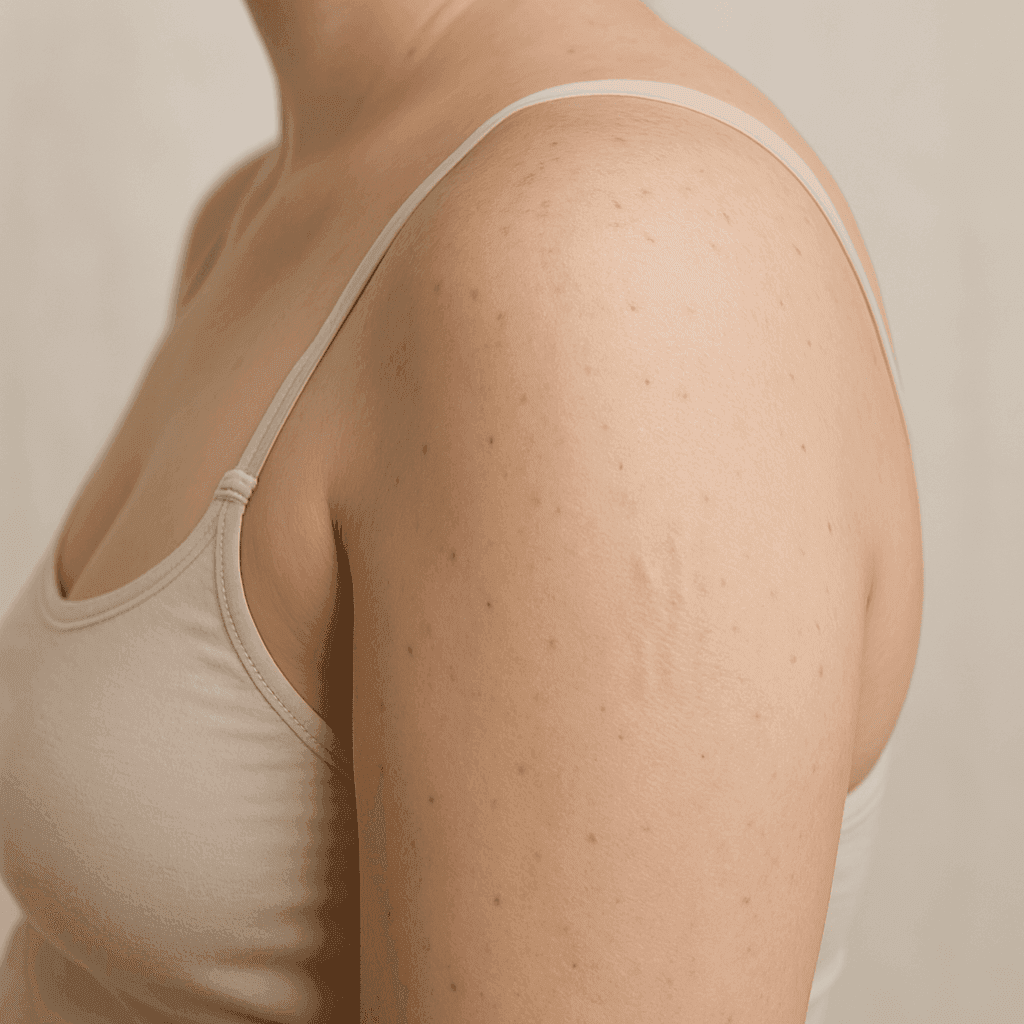
Skin Care During Pregnancy and Postpartum
Guide to skincare during pregnancy and postpartum.
Introduction
Pregnancy is a transformative period not only for the body but also for the skin. As hormone levels fluctuate, a variety of skin changes can occur. Understanding and managing these changes with a safe and effective skincare routine is essential for maintaining healthy skin during pregnancy and the postpartum period.
Skincare Routine During Pregnancy
Creating a skincare routine that addresses specific pregnancy-related skin issues is crucial. The right products can help manage common concerns such as acne, dryness, and hyperpigmentation.
Safe Skincare Products for Pregnant Women
Choosing safe skincare products during pregnancy is paramount. Ingredients like parabens and certain acids should be avoided. Instead, opt for products from reputable brands known for their pregnancy-safe formulations.
Common Skin Issues During Pregnancy
Many women experience acne and breakouts due to hormonal changes. Dry skin and eczema can also become more prevalent, necessitating the use of rich, emollient moisturizers. Additionally, melasma, a condition characterized by dark patches on the skin, may occur.
Ingredients to Avoid
Certain ingredients in skincare products can be harmful during pregnancy. Retinoids, often used in anti-aging products, and salicylic acid, common in acne treatments, should be avoided. Additionally, some essential oils can be irritating and should be used with caution.
Natural and DIY Skincare Options
Natural ingredients can offer gentle yet effective skin care benefits. Options such as aloe vera and oatmeal can soothe the skin, while honey and yogurt masks provide moisture and nourishment. DIY remedies can be a safe and economical way to care for the skin during pregnancy.
Postpartum Skincare Routine
The postpartum period can bring its own set of skin challenges. Hormonal changes continue to affect the skin, but with the right routine, these issues can be managed effectively.
Hormonal Changes and Their Impact on Skin
Postpartum hormonal shifts can lead to a variety of skin issues, including acne and increased oiliness. Understanding these changes is the first step in addressing them effectively.
Effective Postpartum Skincare Tips
Building a new skincare routine that addresses postpartum skin concerns is essential. Focus on gentle cleansing, adequate hydration, and targeted treatments for specific issues.
Addressing Specific Postpartum Skin Concerns
Stretch marks and changes in skin elasticity can be common postpartum concerns. Using products rich in vitamin E and hyaluronic acid can help improve skin texture and appearance.
Sun Protection During and After Pregnancy
Protecting your skin from the sun is crucial during and after pregnancy. Opt for mineral-based sunscreens that are gentle and effective, helping to prevent further pigmentation issues.
FAQ
Can I use anti-aging products during pregnancy?
It's best to avoid most anti-aging products during pregnancy, particularly those containing retinoids. Consult with a dermatologist for safe alternatives.
How can I prevent stretch marks?
Keeping the skin well-moisturized and using products with ingredients like cocoa butter and vitamin E may help reduce the appearance of stretch marks.
Is it safe to get facials while pregnant?
Facials can be safe during pregnancy if they avoid harsh chemicals and treatments. Always inform your esthetician about your pregnancy.
What are the best moisturizers for pregnant women?
Look for moisturizers that are fragrance-free and contain soothing ingredients like ceramides and hyaluronic acid.
How long do postpartum skin changes last?
Postpartum skin changes can last several months as hormone levels stabilize. Consistent skincare can help manage these changes.
Are natural skincare products always safe during pregnancy?
Not all natural products are safe during pregnancy. Always check ingredient lists and consult with a healthcare professional if unsure.