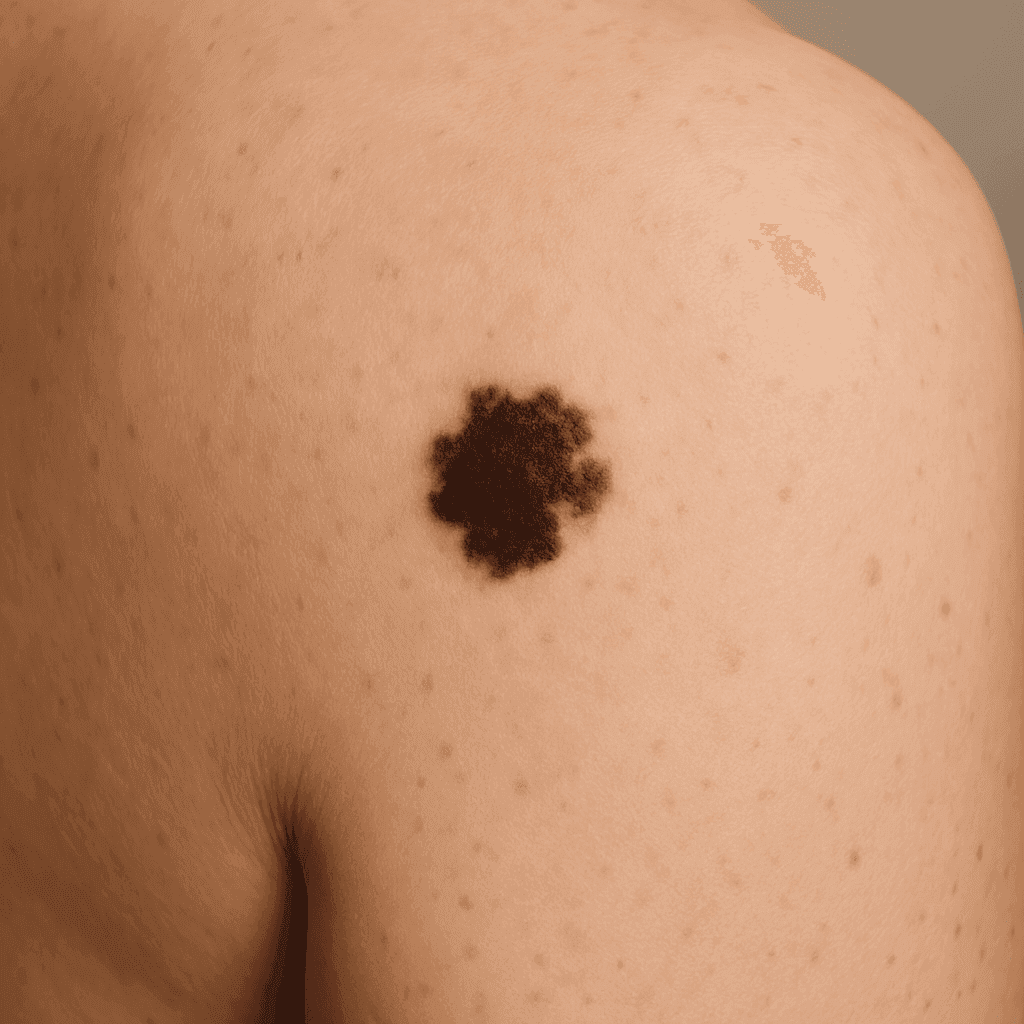
ABCDE Rule for Melanoma – How to Evaluate a Mole
Learn about the ABCDE rule for melanoma detection.
Introduction
Early detection of melanoma, a serious form of skin cancer, can significantly improve the chances of successful treatment. The ABCDE rule is a helpful guideline for individuals to evaluate moles and identify potential warning signs of melanoma. This approach emphasizes the importance of regular skin checks and knowing what to look for in moles that may indicate skin cancer.
What is Melanoma?
Melanoma is a type of skin cancer that develops from melanocytes, the cells responsible for producing melanin, the pigment that gives skin its color. Unlike other types of skin cancer, melanoma is more likely to spread to other parts of the body if not detected early. Risk factors include excessive UV exposure, having a fair complexion, a history of sunburns, and a family history of skin cancer.
Understanding the ABCDE Rule
The ABCDE rule is an acronym used to identify characteristics of moles that may suggest melanoma. Each letter stands for a specific feature to evaluate:
Asymmetry
A mole is considered asymmetrical if one half does not match the other. Moles that are asymmetrical are more concerning and may require further examination by a dermatologist.
Border
Melanomas often have irregular, scalloped, or poorly defined edges. Moles with smooth, even borders are typically benign, while those with uneven borders could be a warning sign of cancer.
Color
The presence of multiple colors or an uneven distribution of color within a mole is a common sign of melanoma. Normal moles are usually a single shade of brown, while melanomas may contain shades of black, brown, tan, and even white, red, or blue.
Diameter
While melanomas are typically larger than 6mm in diameter (about the size of a pencil eraser), they can be smaller when first detected. Measuring moles regularly can help in identifying any significant growth or changes in size.
Evolving
Any change in a mole's size, shape, color, or symptoms (such as itching or bleeding) is a warning sign of melanoma. Regular monitoring of moles for evolution is crucial, as it helps in early detection and treatment.
How to Perform a Self-Examination
Performing regular self-examinations is a proactive way to detect skin changes early. Here's a step-by-step guide:
- Use a full-length mirror and a hand-held mirror to examine your entire body.
- Check all areas, including hard-to-see places like the scalp, back, and behind the ears.
- Record any new moles or changes in existing moles.
When to See a Dermatologist
If you notice any warning signs such as asymmetry, irregular borders, or changes in color, size, or shape of a mole, it's important to seek professional evaluation. During a dermatological exam, the doctor may use a dermatoscope to examine the skin's surface and may suggest a biopsy if necessary.
Prevention and Risk Reduction
To reduce the risk of melanoma, protect your skin from excessive UV exposure by wearing protective clothing and applying broad-spectrum sunscreen. Additionally, lifestyle changes such as avoiding tanning beds and seeking shade during peak sun hours can lower your risk.
Conclusion
Understanding and utilizing the ABCDE rule can empower individuals to detect potential melanomas early. Regular self-examinations, coupled with professional skin checks, are key components in the fight against skin cancer.
Frequently Asked Questions
What does a suspicious mole look like?
Suspicious moles often exhibit asymmetry, irregular borders, multiple colors, a diameter larger than 6mm, or changes over time.
How often should I check my moles for changes?
It's recommended to perform a self-examination once a month and schedule regular dermatological check-ups.
Can melanoma be cured if caught early?
Yes, melanoma is highly treatable when detected early. Early diagnosis and treatment significantly improve outcomes.
What are the most common areas for melanoma to appear?
Melanoma can appear anywhere on the body, but is most common on the back, legs, arms, and face.
Is it necessary to have a dermatologist check all my moles?
While self-examinations are important, regular check-ups by a dermatologist are crucial, especially for individuals with a high number of moles or a family history of skin cancer.
How effective is the ABCDE rule in detecting melanoma?
The ABCDE rule is a useful tool for identifying suspicious moles, but it should be used in conjunction with professional medical advice.