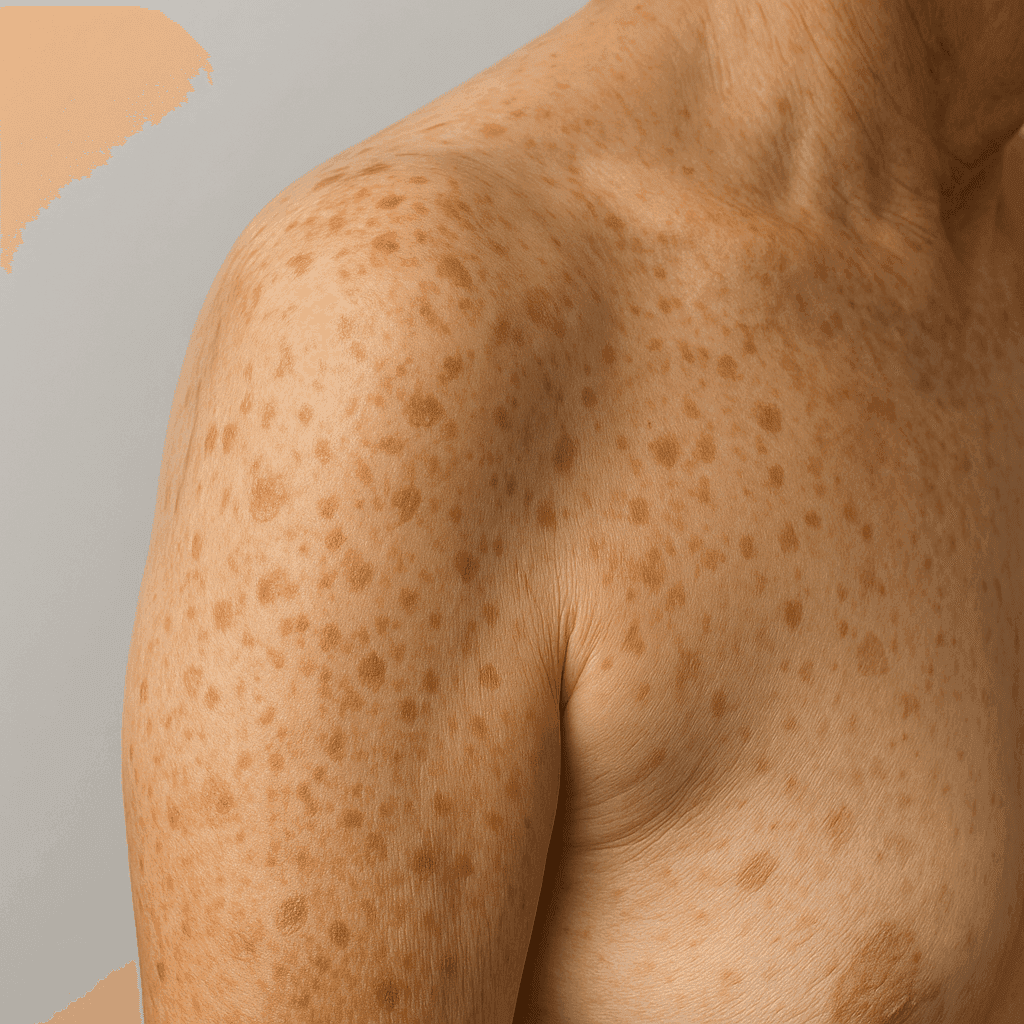
Age Spots (Liver Spots): Prevention and Treatment
Understand prevention and treatment of age spots.
Introduction
Age spots, also known as liver spots, are flat, brown, gray, or black spots that commonly appear on sun-exposed areas of the skin. While generally harmless, their appearance can be concerning to many people. Understanding how to prevent and treat age spots is essential for maintaining healthy skin and reducing the risk of potential complications.
What Are Age Spots?
Age spots are flat, pigmented areas that vary in size and usually appear on the face, hands, shoulders, and arms. These spots are most common in adults over 50, but they can also appear in younger people who frequently expose their skin to the sun. Age spots are caused by an excess production of melanin, the pigment responsible for skin color.
Common Areas Affected
These spots are predominantly found on areas of the skin that receive the most sun exposure. The face and hands are particularly vulnerable, as are the shoulders and arms. Despite their appearance, age spots are harmless and do not require treatment unless for cosmetic reasons.
Causes of Age Spots
Age spots primarily result from prolonged sun exposure, which increases melanin production in the skin. As the skin ages, its ability to regenerate decreases, making it more susceptible to damage from ultraviolet (UV) rays. Genetic factors also play a role, as some individuals are more predisposed to developing age spots than others.
Other Contributing Factors
In addition to sun exposure and aging, other factors such as tanning beds and certain medications can contribute to the development of age spots. It's important to note that while age spots themselves are benign, they can sometimes resemble more serious skin conditions, so proper evaluation is key.
Prevention of Age Spots
Preventing age spots involves protecting your skin from excessive sun exposure. Daily use of sunscreen with a high SPF is crucial, even on cloudy days or during winter months. Additionally, wearing protective clothing, such as wide-brimmed hats and long sleeves, can help shield your skin from harmful UV rays.
Healthy Lifestyle Choices
A diet rich in antioxidants, regular hydration, and avoiding smoking can significantly improve skin health and reduce the risk of age spots. Regular skin check-ups are recommended to monitor any changes in skin appearance and catch potential issues early.
Treatment Options for Age Spots
Over-the-Counter Treatments
There are numerous creams and serums available that contain ingredients like hydroquinone, retinoids, and vitamin C, which can help lighten age spots over time. It's important to follow product instructions and be patient, as results can vary.
Professional Treatments
Dermatologists offer several options for treating age spots, including laser therapy, chemical peels, and cryotherapy. Each method works differently, and a professional can help determine the best option based on your skin type and condition.
Natural and Home Remedies
Some individuals opt for natural remedies, such as lemon juice or aloe vera, to lighten age spots. While these methods may offer mild improvements, their effectiveness and safety can vary. It's advisable to consult with a dermatologist before starting any home treatment.
When to See a Dermatologist
It's important to consult a dermatologist if age spots change in appearance, such as becoming darker or developing an irregular border. These could be signs of skin cancer. Regular skin check-ups can help differentiate benign spots from potentially harmful ones.
Age Spots vs. Other Skin Conditions
Differences Between Age Spots and Freckles
While both age spots and freckles are pigmented skin lesions, freckles are usually smaller and fade with reduced sun exposure. Age spots, however, remain constant once formed. It's crucial to distinguish these from skin cancer, which can appear similar but requires immediate medical attention.
Conclusion
Preventing and treating age spots involves a proactive approach to skincare. By protecting your skin from sun exposure and seeking professional advice when necessary, you can maintain healthier skin and reduce the risk of age spots. Regular check-ups with a dermatologist are crucial for early detection and treatment of any potential skin issues.
FAQs
What is the best way to prevent age spots?
Regular use of sunscreen, protective clothing, and a healthy lifestyle are the best ways to prevent age spots.
Can age spots be permanently removed?
While treatments can significantly lighten age spots, complete removal may not always be possible.
Are age spots a sign of skin cancer?
Age spots themselves are benign, but changes in their appearance should be evaluated by a dermatologist.
How effective are natural remedies for age spots?
Natural remedies may offer mild improvements, but their efficacy varies and should be approached with caution.
Is it necessary to see a dermatologist for age spots?
Consulting a dermatologist is recommended for any concerning changes or if professional treatment is desired.
What are the risks of untreated age spots?
While age spots are generally harmless, monitoring them is essential to rule out more serious conditions like skin cancer.