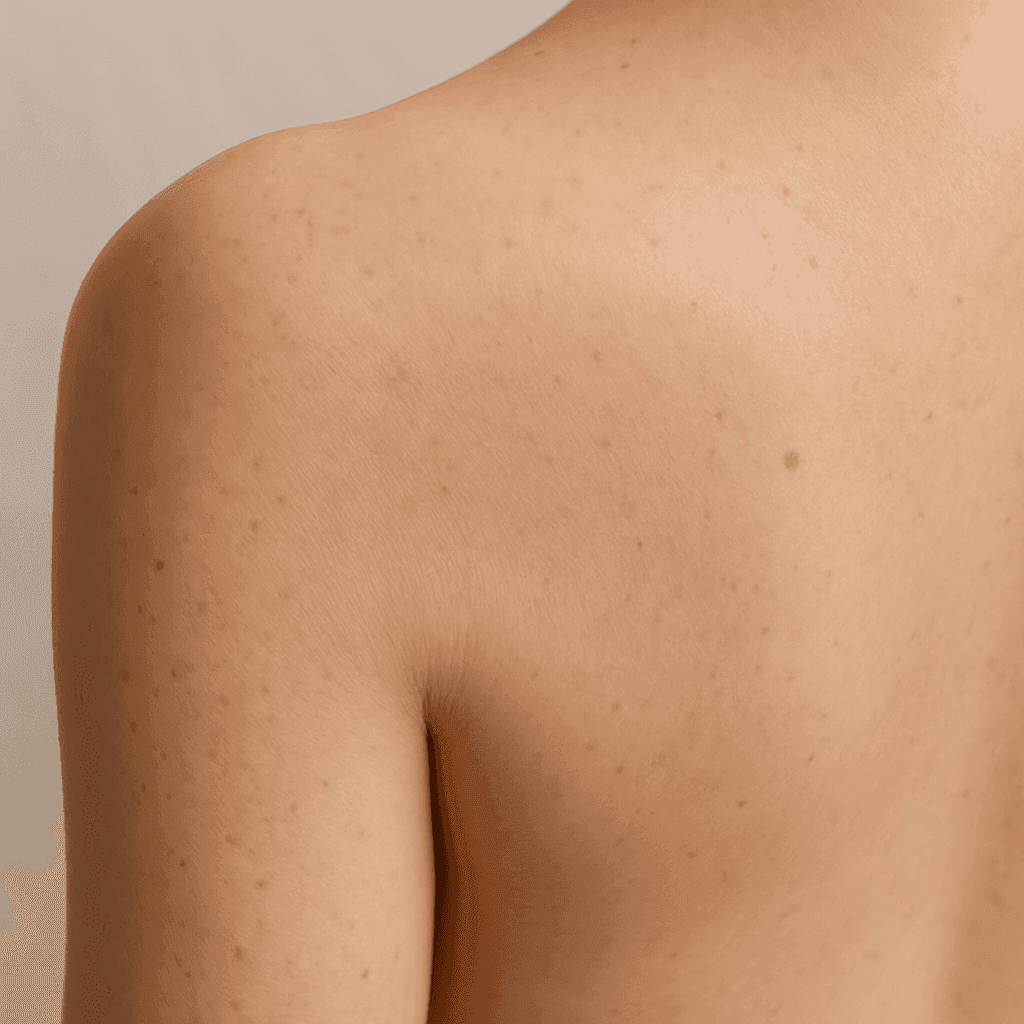
AHA, BHA and PHA Acids – Differences and Uses
Learn the benefits and differences of AHA, BHA, and PHA acids.
Introduction
In the realm of skincare, exfoliation plays a pivotal role in maintaining healthy, vibrant skin. Among the most popular exfoliating agents are AHA, BHA, and PHA acids. These acids are touted for their ability to improve skin texture, clarity, and overall radiance. Understanding the unique properties of each acid is key to integrating them effectively into your skincare routine.
Understanding AHA, BHA, and PHA
What are AHA Acids?
Alpha Hydroxy Acids (AHAs) are water-soluble acids derived from fruits and milk. They include glycolic acid, lactic acid, and citric acid. AHAs are known for their ability to exfoliate the skin by removing dead skin cells, thus promoting a smoother, more radiant complexion.
What are BHA Acids?
Beta Hydroxy Acids (BHAs), primarily salicylic acid, are oil-soluble and penetrate deeper into the pores. They are particularly effective in treating acne-prone skin as they help to unclog pores and reduce inflammation.
What are PHA Acids?
Polyhydroxy Acids (PHAs) are similar to AHAs, but with larger molecular structures. This makes them less irritating and suitable for sensitive skin. PHAs such as gluconolactone provide gentle exfoliation while offering antioxidant benefits.
Differences Between AHA, BHA, and PHA
Molecular Structure and Skin Penetration
AHAs have smaller molecules, allowing them to penetrate the skin's surface efficiently, while BHAs, being oil-soluble, can penetrate deeper into oily skin and clogged pores. PHAs, due to their larger molecules, offer surface exfoliation, making them less irritating.
Skin Types and Concerns Addressed
- AHA: Best for dry and sun-damaged skin.
- BHA: Ideal for oily and acne-prone skin.
- PHA: Suitable for sensitive skin and those seeking anti-aging benefits.
Exfoliation Strengths and Mechanisms
AHAs and BHAs provide more intense exfoliation compared to PHAs, which are gentler and better suited for sensitive skin types.
How to Use AHA, BHA, and PHA in Your Skincare Routine
Recommended Products and Formulations
Incorporate products like AHA serums, BHA toners, and PHA creams. It is crucial to follow the product instructions to avoid over-exfoliation.
Combining Acids in a Skincare Routine
Using all three acids is possible by alternating them on different days or times of the day. However, it is essential to monitor your skin's reaction and adjust accordingly.
Frequency and Timing of Use
Start with 1–2 times a week and increase frequency as tolerated. Always follow with sunscreen during the day to protect your skin.
Potential Side Effects and Precautions
Common Side Effects of AHA, BHA, and PHA
Some users may experience redness, irritation, or dryness. These effects are often temporary but should be monitored closely.
How to Minimize Skin Irritation
- Perform a patch test before full application.
- Gradually introduce acids into your routine.
- Hydrate and moisturize to support the skin barrier.
When to Consult a Dermatologist
If irritation persists or your skin reacts negatively, it is advisable to seek professional advice. Dermatologists can provide tailored skincare recommendations.
Choosing the Right Acid for Your Skin Type
AHA, BHA, PHA for Dry vs. Oily Skin
- Dry Skin: AHAs can help retain moisture and improve texture.
- Oily Skin: BHAs are effective in reducing oiliness and preventing acne.
Addressing Specific Skin Concerns
- Acne: BHAs are the go-to choice.
- Aging: PHAs provide gentle exfoliation and anti-aging benefits.
- Pigmentation: AHAs can help lighten hyperpigmented areas.
Personalized Skincare Recommendations
Consider your primary skin concern and type when choosing a product. Consulting with a dermatologist can help refine your selection for optimal results.
Frequently Asked Questions
Can I use AHA, BHA, and PHA together?
Yes, but it's essential to introduce them gradually and monitor how your skin responds. It's best to alternate their usage and not layer them all at once.
How often should I use AHA, BHA, or PHA products?
Start with 1–2 times per week and increase frequency based on your skin's tolerance.
Are these acids safe for sensitive skin?
PHAs are generally the safest option for sensitive skin due to their gentle nature.
What is the best acid for treating acne?
BHAs are most effective for acne-prone skin as they penetrate and clean out clogged pores.
How do I know if my skin is reacting negatively to these acids?
Signs include excessive redness, burning, itching, or peeling. If these occur, discontinue use and consult a dermatologist.
Can I use these acids during pregnancy?
Consult with a healthcare provider as some acids may not be recommended during pregnancy.