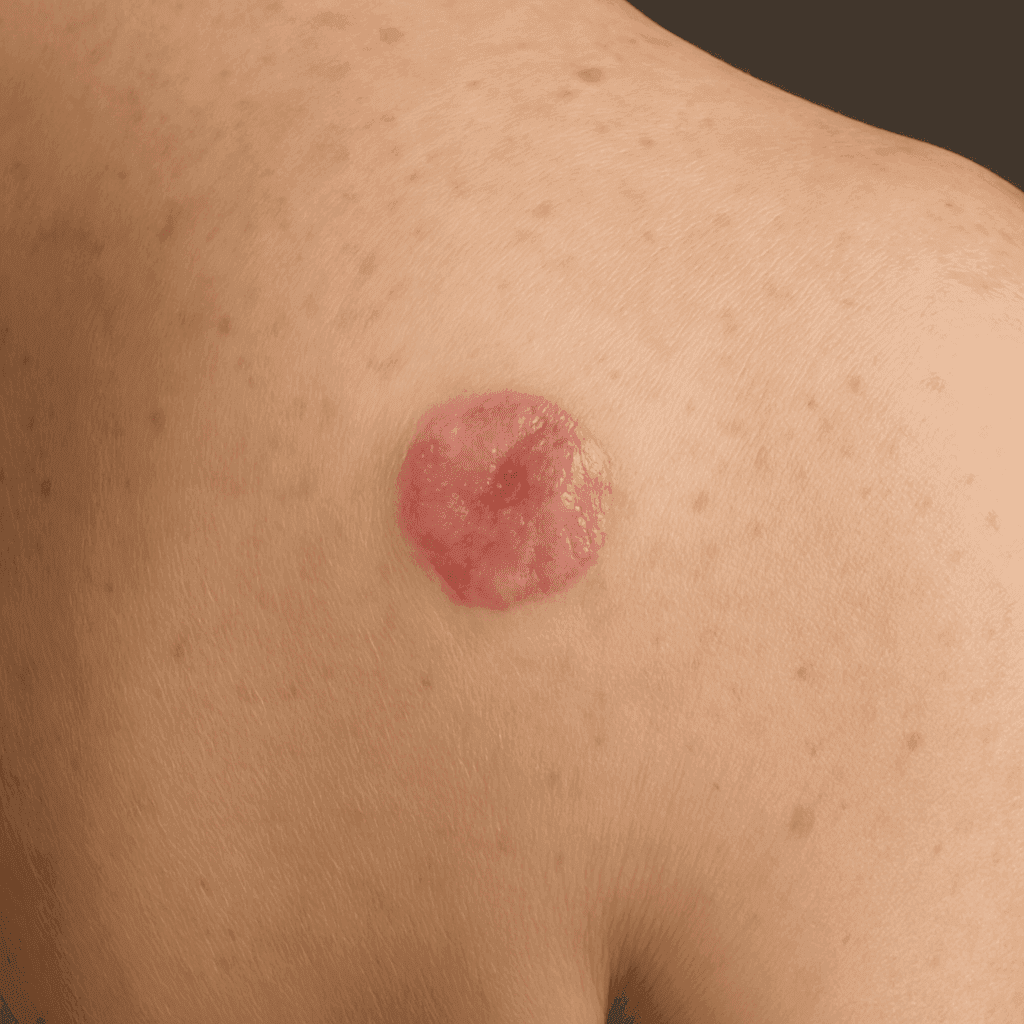
Amelanotic Melanoma – Melanoma Without Pigment
Understanding non-pigmented melanoma and its implications.
Introduction
Amelanotic melanoma is a subtype of skin cancer that is particularly challenging to diagnose due to its lack of pigmentation. Unlike typical melanomas, which are often dark and easily noticed, amelanotic melanomas can be pink, red, or skin-colored, making them more difficult to identify. Early detection of this condition is crucial for effective treatment and improved survival rates. Understanding its characteristics, risk factors, and symptoms can empower individuals to seek timely medical advice and intervention.
What is Amelanotic Melanoma?
Amelanotic melanoma is a form of melanoma that lacks the dark pigment known as melanin, which gives most melanomas their characteristic black or brown appearance. This type of melanoma can appear as a colorless or lightly colored lesion, often resembling benign skin conditions, which complicates its early detection. One of the key differences between amelanotic melanoma and pigmented melanoma is the way they present on the skin. While pigmented melanomas are typically dark, amelanotic melanomas may appear as pink, red, or flesh-toned bumps or patches.
Causes and Risk Factors
Several factors can increase the risk of developing amelanotic melanoma. Genetic predispositions, such as mutations in the CDKN2A gene, are known to elevate the risk. Environmental triggers, particularly excessive exposure to ultraviolet (UV) radiation from the sun or tanning beds, also play a significant role. Individuals with fair skin, light-colored eyes, and a family history of skin cancer are considered high-risk populations and should be particularly vigilant in monitoring their skin for changes.
Symptoms and Identification
Recognizing the symptoms of amelanotic melanoma is essential for early intervention. Common symptoms include the presence of a new skin lesion or a change in an existing mole that is pink, red, or skin-colored. Other physical indicators may include itchiness, bleeding, or a sore that does not heal. Regular skin checks are important, particularly for individuals in high-risk categories. During self-examinations, pay close attention to any new or unusual changes in the skin, and consult a dermatologist if you notice anything suspicious.
Diagnosis
Diagnosing amelanotic melanoma typically involves a clinical examination by a dermatologist, who may use dermoscopy to enhance the visibility of skin structures. Imaging techniques such as digital dermoscopy and reflectance confocal microscopy can assist in identifying suspicious lesions. If a lesion is deemed suspicious, a biopsy will be performed to obtain a definitive diagnosis. This involves taking a small sample of skin tissue for laboratory analysis to confirm the presence of melanoma cells.
Treatment Options
The treatment of amelanotic melanoma depends on the stage and location of the tumor. Surgical intervention is often the first line of treatment, aiming to remove the cancerous tissue completely. In cases where the melanoma has spread, additional treatments such as radiation therapy, chemotherapy, and immunotherapy may be considered. Emerging treatments and clinical trials are continually evolving, offering new hope for advanced cases. Patients should discuss these options with their healthcare provider to determine the most suitable treatment plan.
Prognosis and Survival Rates
The prognosis for amelanotic melanoma can vary based on several factors, including the stage at diagnosis and the patient's overall health. Early detection significantly improves survival rates, with localized cases having a higher chance of successful treatment. Statistics show that the five-year survival rate for patients with early-stage melanoma can exceed 90%, highlighting the importance of early detection and treatment. Long-term management strategies often include regular follow-ups and monitoring for any signs of recurrence.
Prevention and Monitoring
Preventing amelanotic melanoma involves adopting sun protection measures such as using broad-spectrum sunscreen, wearing protective clothing, and avoiding peak sun exposure hours. Regular dermatological check-ups are crucial for early detection, especially for individuals with a higher risk. Lifestyle modifications, including avoiding indoor tanning and performing regular skin self-examinations, can significantly reduce the risk of developing melanoma.
Amelanotic Melanoma vs. Pigmented Melanoma
While both types of melanoma are serious, amelanotic melanoma presents unique challenges due to its lack of pigmentation. This can impact both diagnosis and treatment, as visual identification is more difficult. Consequently, amelanotic melanoma may be diagnosed at a more advanced stage, affecting prognosis. Understanding these differences is essential for healthcare providers and patients alike, emphasizing the need for advanced diagnostic techniques and tailored treatment approaches.
FAQs about Amelanotic Melanoma
-
What are the early signs of amelanotic melanoma?
Early signs include new or changing skin lesions that are pink, red, or skin-colored. -
How is amelanotic melanoma different from other skin cancers?
It lacks the dark pigmentation of typical melanomas, making it harder to detect. -
Can amelanotic melanoma be cured?
Yes, if detected early and treated appropriately, it can often be cured. -
What should I do if I suspect I have amelanotic melanoma?
Seek a professional evaluation from a dermatologist as soon as possible. -
How often should I get screened for skin cancer?
High-risk individuals should have skin checks at least annually, or more frequently if recommended by a doctor. -
Are there any preventive measures for amelanotic melanoma?
Yes, including sun protection, regular skin exams, and avoiding tanning beds.