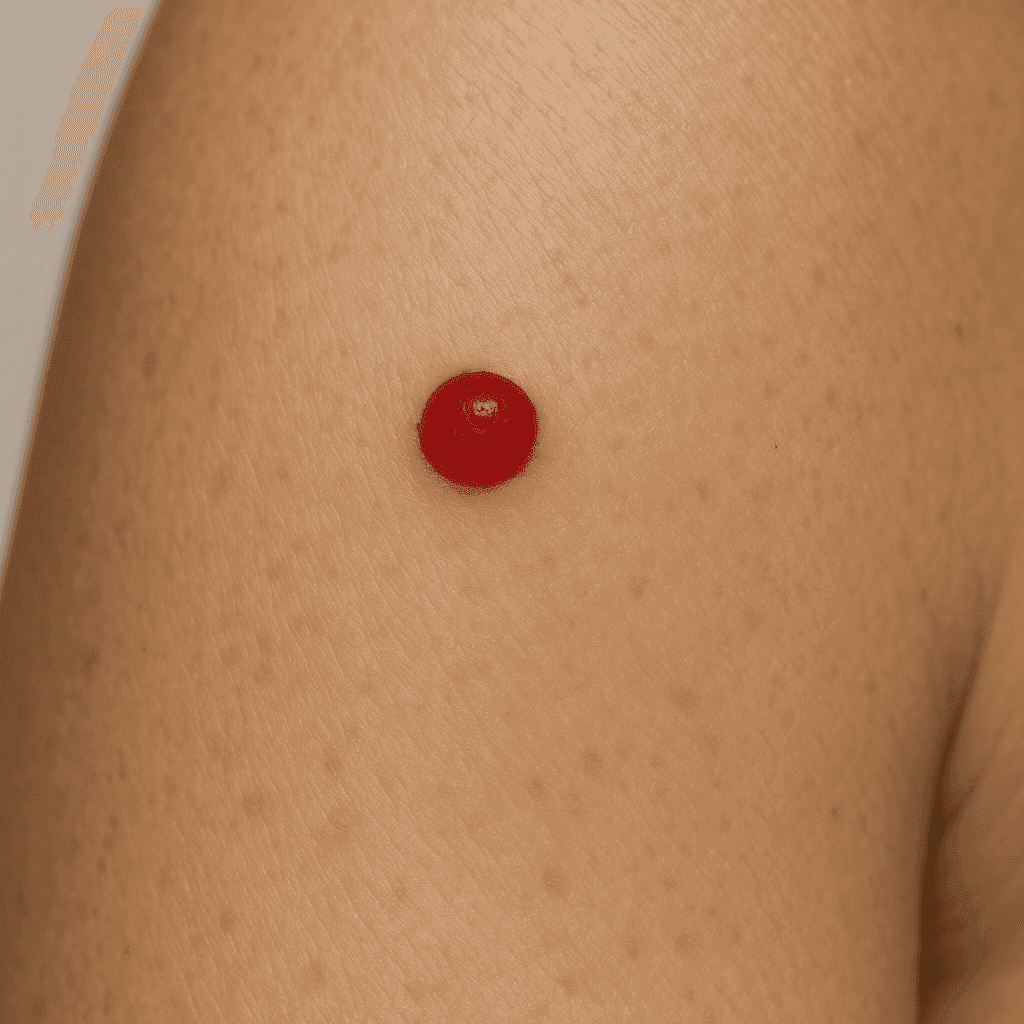
Angioma (Hemangioma): When Should It Be Removed?
Learn about angioma removal and treatment options.
Introduction
Angiomas are benign growths composed of small blood vessels. They often appear as small red or purple bumps on the skin and are generally harmless. Hemangiomas, a type of angioma, are most commonly found in infants and can vary significantly in size and shape. While many angiomas do not require treatment, there are circumstances where removal might be considered.
What is an Angioma?
Angiomas can develop anywhere on the body but are most commonly found on the torso, face, and extremities. They are usually painless and do not cause health problems. However, their appearance can be concerning for cosmetic reasons. In rare cases, they may indicate underlying vascular disorders.
Understanding Hemangioma
Hemangiomas are a specific type of angioma that typically manifest shortly after birth. They grow rapidly during the first year of life, followed by a slow involution phase. Although most hemangiomas resolve on their own without intervention, medical evaluation is essential to determine the best approach, particularly for larger lesions.
Causes and Symptoms
Causes of Angioma and Hemangioma
The exact cause of angiomas and hemangiomas is not fully understood. Genetic factors may play a role, as they can sometimes run in families. In some cases, they are associated with other medical conditions. Research suggests that hemangiomas result from an abnormal buildup of blood vessels, but the triggers for this are still being studied.
Recognizing Symptoms of Hemangioma
Hemangiomas typically present as a bright red mark on the skin, often referred to as a "strawberry mark." Over time, they can change in size and color. While most are benign, it's important to monitor them for any changes in appearance or symptoms such as pain, bleeding, or ulceration, which may require medical attention.
Diagnosis
How to Diagnose Angiomas
Diagnosis of angiomas is primarily based on their appearance. A dermatologist can usually identify them through a physical examination. In some cases, imaging tests like ultrasound or MRI may be used to assess deeper or atypical lesions.
Differentiating Between Angioma and Other Skin Conditions
It is crucial to distinguish angiomas from other dermatological conditions, such as melanoma or other vascular anomalies. If there is any doubt, a biopsy may be performed to rule out malignancy or other issues. Regular monitoring and professional assessment are recommended to ensure accurate diagnosis and management.
Treatment Options
When Should an Angioma Be Removed?
Most angiomas do not require removal unless they cause symptoms or cosmetic concerns. Removal may be considered if the angioma is subject to frequent trauma or bleeding, or if it causes discomfort. Consultation with a dermatologist can help determine the necessity and timing of removal.
Non-Surgical Treatment Options
Laser Treatment for Angioma
Laser therapy is a common non-surgical option for treating angiomas. It is effective in reducing the appearance of the angioma by targeting the blood vessels. Multiple sessions may be required for optimal results, and the procedure is generally well-tolerated with minimal recovery time.
Natural Remedies for Angioma
While there is limited scientific evidence supporting natural remedies for angiomas, some individuals explore options such as herbal treatments or dietary changes. It is important to consult with a healthcare provider before attempting any alternative therapies to ensure they are safe and appropriate.
Surgical Removal of Angioma
Procedure and Recovery
Surgical excision may be recommended for larger or problematic angiomas. The procedure is typically performed under local anesthesia, and recovery time varies depending on the size and location of the angioma. Post-procedure care is important to minimize scarring and prevent infection.
Risks and Complications
As with any medical procedure, there are risks associated with angioma removal, including bleeding, infection, and scarring. Discussing these potential risks with a dermatologist can help set realistic expectations and prepare for any necessary aftercare.
Special Considerations
Pediatric Hemangioma: Special Considerations
In children, hemangiomas require careful monitoring due to their rapid growth phase. Pediatric dermatologists may recommend treatments like beta-blockers or laser therapy to manage significant hemangiomas and prevent complications. Early intervention can be beneficial in minimizing cosmetic impact and functional impairment.
Hemangioma in Adults: What You Need to Know
While less common, hemangiomas can occur in adults. These may present differently than in children and require a tailored approach based on individual circumstances. Adult hemangiomas are often monitored unless they present complications or aesthetic concerns that warrant treatment.
Costs and Insurance
Understanding the Costs of Angioma Removal
The cost of angioma removal varies based on the treatment method, location, and extent of the angioma. Non-surgical options like laser therapy may be less expensive than surgical removal. It's important to obtain a detailed cost estimate from the treating facility.
Insurance Coverage for Angioma Treatment
Insurance coverage for angioma treatment depends on the medical necessity and the specifics of the individual's insurance plan. Procedures deemed cosmetic are often not covered. Patients should check with their insurer to understand their coverage and out-of-pocket responsibilities.
Conclusion
Making an informed decision about angioma treatment involves understanding the nature of the condition, exploring available treatment options, and considering personal factors such as symptoms, cosmetic concerns, and financial implications. Consulting with a dermatologist is crucial to navigate these choices effectively.
FAQs
-
What is the difference between an angioma and a hemangioma?
Angiomas are benign growths of blood vessels, while hemangiomas are a specific type of angioma often seen in infants. -
Are angiomas dangerous if left untreated?
Most angiomas are harmless and do not require treatment unless symptomatic. -
Can hemangiomas go away on their own?
Many infantile hemangiomas regress naturally over time without intervention. -
Is laser treatment effective for all types of angiomas?
Laser treatment can be effective for many angiomas, but its suitability depends on the individual case. -
How long does recovery take after angioma removal?
Recovery varies but generally involves minimal downtime, especially for non-surgical treatments. -
What are the potential side effects of angioma treatments?
Side effects may include redness, swelling, and in rare cases, scarring or infection.