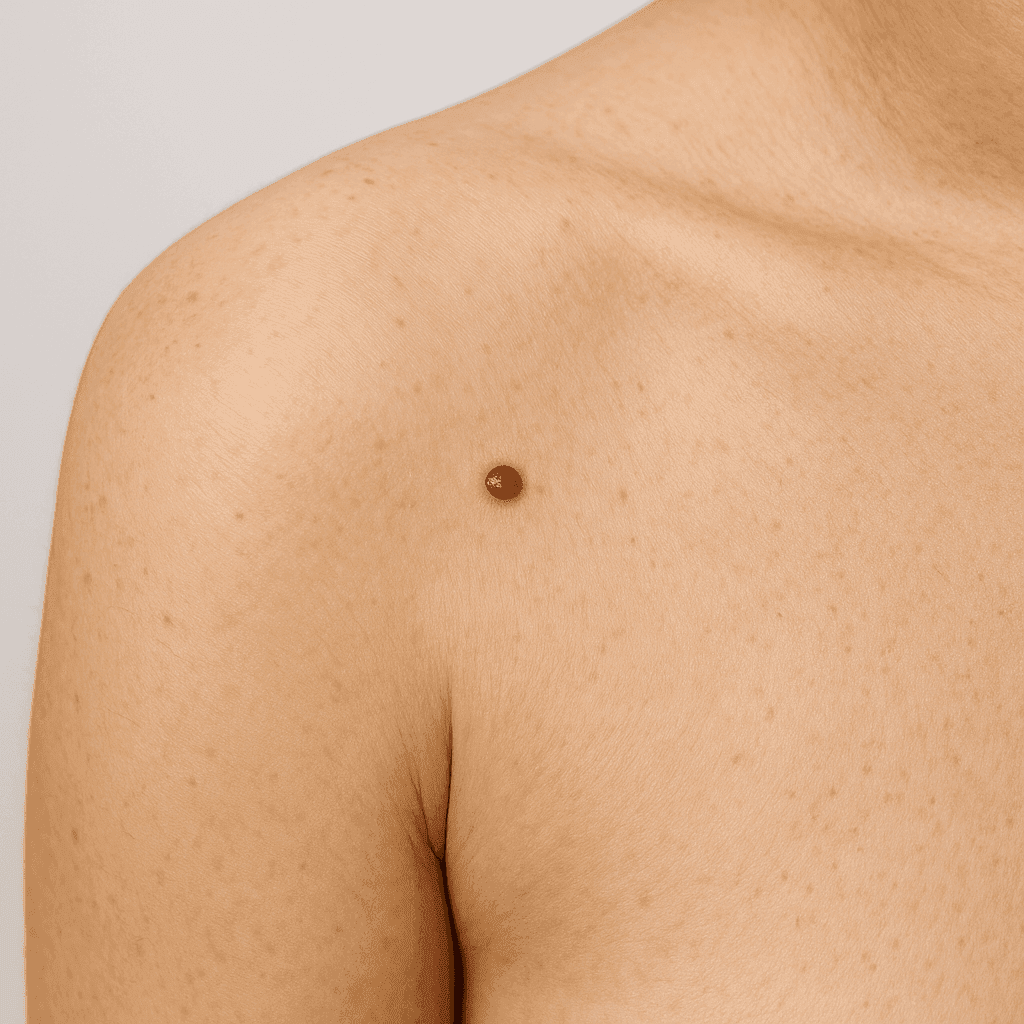
Angioma (hemangioma) - when to remove?
Learn when it's a good idea to remove a hemangioma and what the treatment options are.
What is an angioma?
A hemangioma, also known as an angioma, is a benign skin lesion consisting of blood vessels. Although it is usually harmless, it can be cause for concern, especially when it appears in visible areas. There are several types of hemangiomas, which can vary in appearance and location on the body.
Definition and types of hemangiomas
Cutaneous hemangiomas are the most common type, appearing on the skin's surface as red or purple spots. They can be congenital, appearing in newborns, or acquired, developing later in life. They often occur in children, but can also affect adults.
Causes of hemangiomas
The causes of hemangiomas are not fully understood, but they are believed to have a genetic basis. In some cases, their appearance may be related to abnormal blood vessel development during the prenatal period.
When does a hemangioma need to be removed?
Not all hemangiomas require medical intervention. They are often harmless and cause no symptoms. However, in some cases, removal may be recommended for health or aesthetic reasons.
Symptoms indicating the need for removal
Changes in the appearance of a hemangioma, such as sudden growth, color change, or bleeding, may indicate the need to consult a doctor. In addition, pain or discomfort, especially if the hemangioma is located in an area prone to injury, may be a reason for removal.
Risks associated with untreated hemangioma
Although rare, untreated hemangiomas can lead to complications such as ulcers or infections. For this reason, regular check-ups and monitoring of changes are important to prevent potential problems.
Methods of removing hemangiomas
The choice of method for removing a hemangioma depends on its size, location, and the patient's preferences. The most commonly used methods include laser therapy and surgical procedures.
Laser removal of hemangiomas
Laser therapy is one of the most popular methods of removing hemangiomas. Its advantages are precision and minimal invasiveness. The procedure involves directing a laser beam at the affected tissue, which leads to the destruction of the hemangioma. Although the results are usually very good, complications such as redness or swelling are also possible.
Surgical removal of hemangiomas
Surgical removal of hemangiomas is recommended for larger lesions or when other methods do not produce the desired results. This procedure requires local anesthesia and may involve a longer recovery period, but it is an effective solution in many cases.
Hemangioma in children and adults
Hemangiomas can occur in both children and adults, but their characteristics differ depending on the age of the patient.
Specific characteristics of hemangiomas in children
Congenital hemangiomas are more common in children and can affect their development, especially if they are located on the face or other sensitive areas. In many cases, hemangiomas in children disappear spontaneously, but some may require medical intervention.
Treatment of hemangiomas in adults
In adults, hemangiomas may appear as acquired lesions. Treatment depends on their size, location, and possible symptoms. Removal may be recommended for aesthetic or health reasons.
Medical consultation and diagnosis
Before deciding to remove a hemangioma, it is important to consult a specialist who will perform the appropriate tests and make a diagnosis.
How is a hemangioma diagnosed?
The diagnosis of a hemangioma is usually based on a physical examination and medical history. In some cases, additional diagnostic tests, such as ultrasound or dermatoscopy, may be ordered to rule out other skin lesions.
Preparation for hemangioma removal
Before the hemangioma removal procedure, the patient should be informed about the course of the procedure and possible complications. It is important to follow the doctor's recommendations regarding preparation for the procedure, which minimizes the risk of complications.
Complications and recovery after hemangioma removal
As with any procedure, certain complications may occur after hemangioma removal. It is important for the patient to be aware of the possible risks and know how to prevent them.
Possible complications after surgery
The most common complications after hemangioma removal include infection, bleeding, and scarring. To avoid these, the patient should strictly follow the doctor's recommendations for wound care.
Healing process and postoperative recommendations
The healing process after hemangioma removal depends on the method used and the individual characteristics of the patient. It usually takes several weeks, during which it is important to avoid excessive sun exposure and follow recommendations for hygiene and skin care.
Summary
When should hemangioma removal be considered?
Consideration of hemangioma removal is indicated in cases of visible changes in its appearance, pain, or the patient's aesthetic preferences. Regular check-ups with a dermatologist are essential for monitoring any changes.
The importance of regular hemangioma check-ups
Regular check-ups with a specialist allow for early detection of potential problems and appropriate action to be taken. This can help avoid more serious complications and provide peace of mind.
FAQ
Frequently asked questions about hemangiomas
-
Can a hemangioma turn into cancer? Hemangiomas are benign lesions and rarely turn into malignant tumors. However, any skin lesion should be monitored regularly by a specialist.
-
Is hemangioma removal painful? Hemangioma removal is usually performed under local anesthesia, which minimizes pain. After the procedure, there may be minor discomfort, which can be relieved with available pain medications.