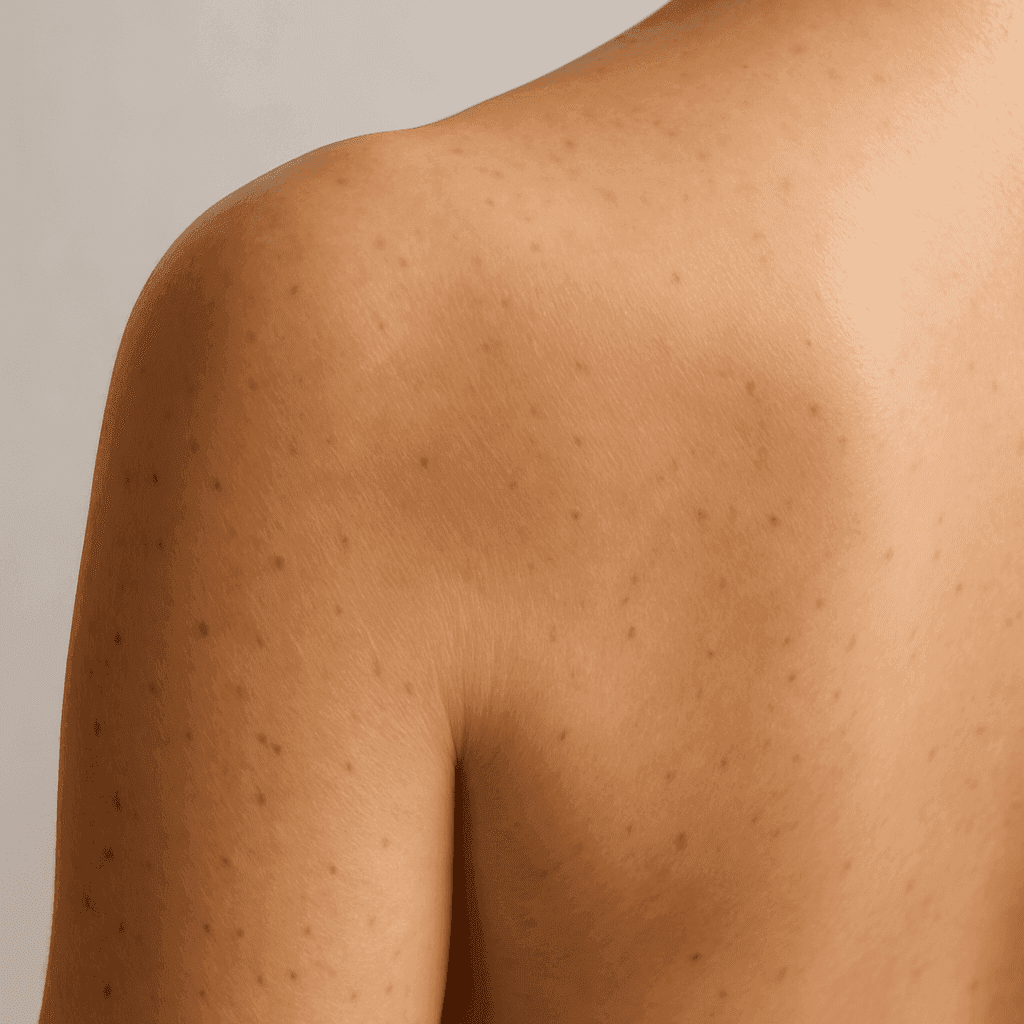
Antioxidants in Diet and Skincare: How They Benefit the Skin
Learn how antioxidants enhance skin health.
Introduction
Antioxidants have gained significant attention for their potential benefits in skincare and overall health. These compounds are vital in protecting the skin from damage caused by free radicals, which are unstable molecules that can accelerate aging and contribute to various skin issues. Understanding how antioxidants function is essential for leveraging their benefits in both diet and skincare products.
The Science Behind Antioxidants
Antioxidants work by neutralizing free radicals, thereby reducing oxidative stress—a key factor in the aging process. Free radicals are generated by environmental factors such as UV radiation and pollution, and can lead to cell damage. By mitigating these effects, antioxidants help maintain skin health and prevent premature aging.
Oxidative Stress and Skin Aging
Oxidative stress occurs when there's an imbalance between free radicals and antioxidants in the body. This stress can break down collagen, hinder skin repair, and accelerate the formation of wrinkles, making antioxidants a crucial component in skincare.
Dietary Antioxidants and Skin Health
Incorporating antioxidant-rich foods into your diet is a natural way to enhance skin health. Foods high in vitamins C and E are particularly beneficial, as they help protect against sun damage and support skin repair. Polyphenols and flavonoids found in fruits, vegetables, and teas also offer powerful antioxidant properties.
Key Antioxidant-Rich Foods
Some effective antioxidant-rich foods include:
- Berries (blueberries, strawberries)
- Nuts and seeds (almonds, sunflower seeds)
- Leafy greens (spinach, kale)
- Dark chocolate and green tea
Antioxidants in Skincare Products
Many skincare products incorporate antioxidants to enhance skin appearance and health. Commonly used antioxidants include vitamin C, vitamin E, and ferulic acid. These ingredients work together to reduce inflammation, improve hydration, and protect against UV damage.
Comparing Antioxidants in Skincare
When selecting skincare products, consider the specific antioxidant benefits:
- Vitamin C: Brightens skin and promotes collagen production.
- Vitamin E: Moisturizes and protects from sun damage.
- Ferulic Acid: Enhances stability and effectiveness of other antioxidants.
Benefits of Antioxidants for Skin
Antioxidants offer numerous benefits for skin health, including reducing signs of aging, protecting against environmental damage, and improving skin texture and elasticity.
Reducing Signs of Aging and Wrinkles
By preventing oxidative stress, antioxidants help maintain collagen levels, reducing the appearance of fine lines and wrinkles. Their anti-inflammatory properties also soothe irritated skin, promoting a smoother complexion.
How to Incorporate Antioxidants into Your Routine
To maximize the benefits of antioxidants, it's important to include them in both your diet and skincare routine.
Choosing Antioxidant-Rich Skincare Products
- Look for products with multiple antioxidants.
- Consider serums for concentrated benefits.
- Use sunscreen to complement antioxidant protection.
Dietary Recommendations
- Eat a colorful variety of fruits and vegetables.
- Include nuts and seeds for healthy fats and antioxidants.
- Drink green tea or incorporate it into recipes.
Potential Side Effects and Considerations
While antioxidants are generally safe, it's important to be aware of potential interactions and skin sensitivities. Some antioxidants, like vitamin C, may cause irritation in sensitive skin types. It's advisable to introduce new products gradually and consult with a dermatologist if you have concerns.
FAQs
What are the best antioxidants for anti-aging?
Vitamin C, E, and ferulic acid are popular for their anti-aging benefits.
Can antioxidants help with acne-prone skin?
Yes, antioxidants can reduce inflammation and improve skin healing.
How often should I use antioxidant skincare products?
Daily use is recommended for continuous protection and benefits.
Are natural sources of antioxidants better than supplements?
Natural sources are often preferred for their additional nutrients, but supplements can help when dietary intake is insufficient.
Do antioxidants have any side effects on sensitive skin?
Some may cause irritation; patch testing new products is advised.
Can antioxidants prevent skin cancer?
While they help protect against UV damage, they are not a substitute for sunscreen and medical advice.