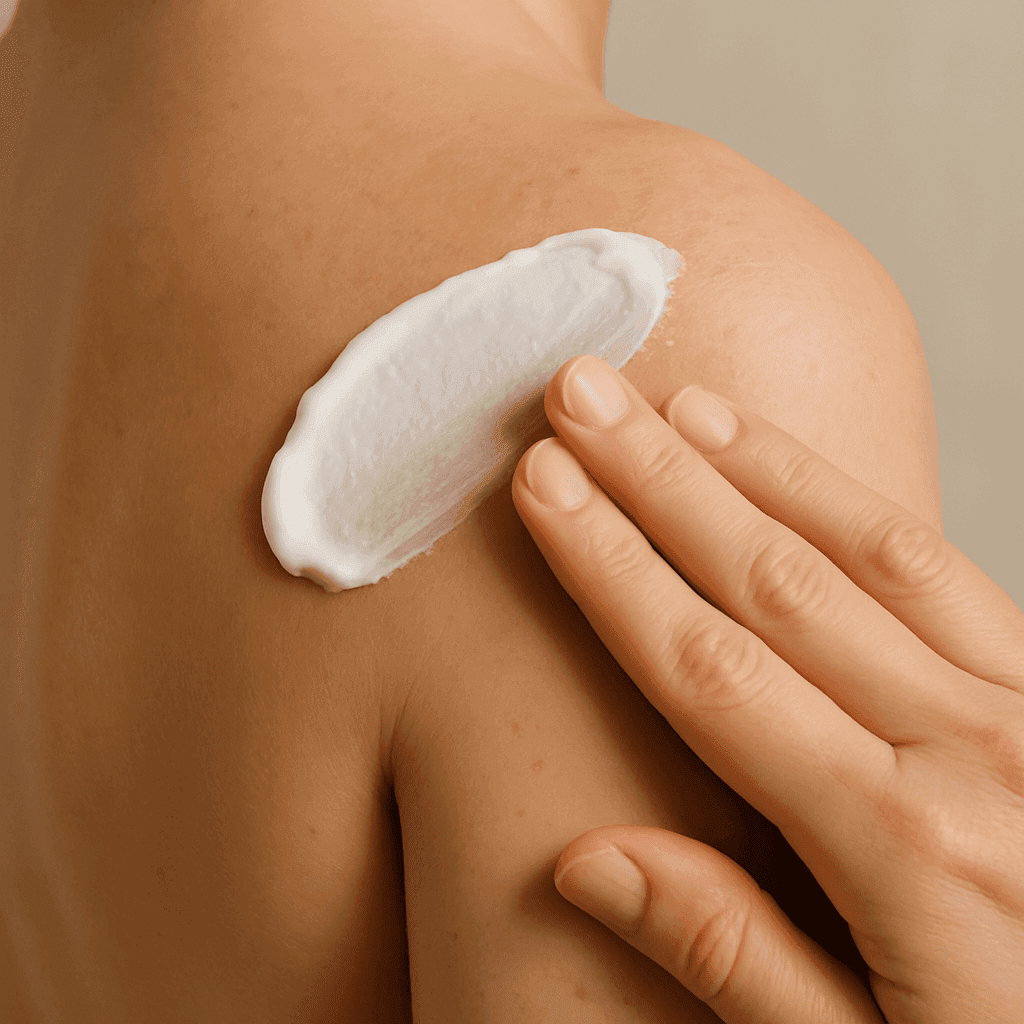
Applying Sunscreen: How Much and How Often?
Guide to proper sunscreen use for effective protection.
Introduction
Sunscreen is a critical component of daily skin care and health. It acts as a shield against harmful UV rays that can cause skin damage, premature aging, and increase the risk of skin cancer. Understanding how to apply sunscreen correctly is essential for maximizing its protective benefits. This article provides a comprehensive guide on the amount of sunscreen to use, how often to reapply, and best practices for application.
How Much Sunscreen to Apply
Recommended Amount for Face and Body
The general guideline is to use about a teaspoon of sunscreen for the face and neck and a shot glass (approximately two tablespoons) for the entire body. This ensures adequate coverage to protect against UV radiation.
Factors Influencing Amount Needed
Several factors affect how much sunscreen you should apply, including your body size, clothing, and activities planned. More sunscreen may be necessary if you have a larger body surface area or if you are wearing minimal clothing.
Common Mistakes in Application
A common mistake is applying too little sunscreen. Often, people underestimate the amount needed, which can lead to insufficient protection. Additionally, missing areas such as ears, back of the neck, and tops of feet are frequent oversights.
How Often to Reapply Sunscreen
General Guidelines for Reapplication
Reapplication of sunscreen is crucial for continuous protection. It is generally recommended to reapply every two hours, or more frequently if you are swimming or sweating.
Reapplication in Different Weather Conditions
Even on cloudy days, up to 80% of UV rays can penetrate the skin. Therefore, reapplication is still necessary regardless of the weather.
Reapplication During Outdoor Activities
If you are engaging in outdoor activities, especially those involving water or sweating, reapply sunscreen every 40-80 minutes, depending on the product's water resistance.
Best Practices for Sunscreen Application
Step-by-Step Application Process
- Apply sunscreen to dry skin 15 minutes before going outdoors.
- Cover all exposed areas thoroughly, including often-missed spots.
- Use a mirror to ensure even coverage on hard-to-see areas.
Sunscreen and Makeup: What You Need to Know
When using sunscreen under makeup, allow it to absorb fully into the skin before applying foundation or other products. Consider using a makeup product with SPF for an added layer of protection.
Tips for Applying Sunscreen on Children
For children, use a sunscreen that is formulated for sensitive skin to minimize irritation. Ensure all exposed areas are covered and reapply regularly, especially during active playtimes.
Choosing the Right Sunscreen
Understanding SPF and Its Importance
SPF, or Sun Protection Factor, measures the level of protection against UVB rays. A higher SPF offers more protection but no sunscreen can block 100% of UV rays.
Sunscreen Formulations: Cream, Lotion, Spray
Each formulation type has its advantages. Creams are often more moisturizing, lotions are lighter, and sprays are convenient for reapplication. Choose based on your skin type and personal preference.
Selecting Sunscreen for Different Skin Types
For oily or acne-prone skin, look for non-comedogenic sunscreens. For dry skin, opt for a moisturizing formula. Sensitive skin types should use hypoallergenic and fragrance-free options.
Common Myths About Sunscreen
Debunking Sunscreen Misconceptions
Myth: You don't need sunscreen on cloudy days. Fact: UV rays penetrate clouds, so protection is still necessary.
Myth: Sunscreen is only for the beach. Fact: Daily use is essential for ongoing protection.
Clarifying SPF Ratings and Protection Levels
SPF ratings indicate the time you can be in the sun without burning. SPF 30 blocks about 97% of UVB rays, while SPF 50 blocks about 98%. No sunscreen can provide 100% protection.
FAQs about Sunscreen Application
What happens if I don't apply enough sunscreen?
If you apply less than the recommended amount, you significantly reduce the effectiveness of the sunscreen's protection, increasing the risk of sunburn and skin damage.
Can I use sunscreen from last year?
Sunscreen typically has a shelf life of about three years. Check the expiration date and ensure it has been stored correctly. Expired sunscreen may not provide adequate protection.
How long should I wait after applying sunscreen before going outside?
Give sunscreen about 15 minutes to absorb into the skin before sun exposure to ensure optimal protection.
Is it necessary to wear sunscreen indoors?
If you are near windows or plan to be outside briefly, wearing sunscreen indoors is advisable as UV rays can penetrate glass.
Can I use moisturizer with SPF instead of sunscreen?
While SPF moisturizers offer some protection, they may not be as effective as a standalone sunscreen, especially during prolonged sun exposure.
Does sunscreen expire and how can I tell?
Yes, sunscreen can expire. Check for any changes in texture, color, or odor and refer to the expiration date on the packaging.