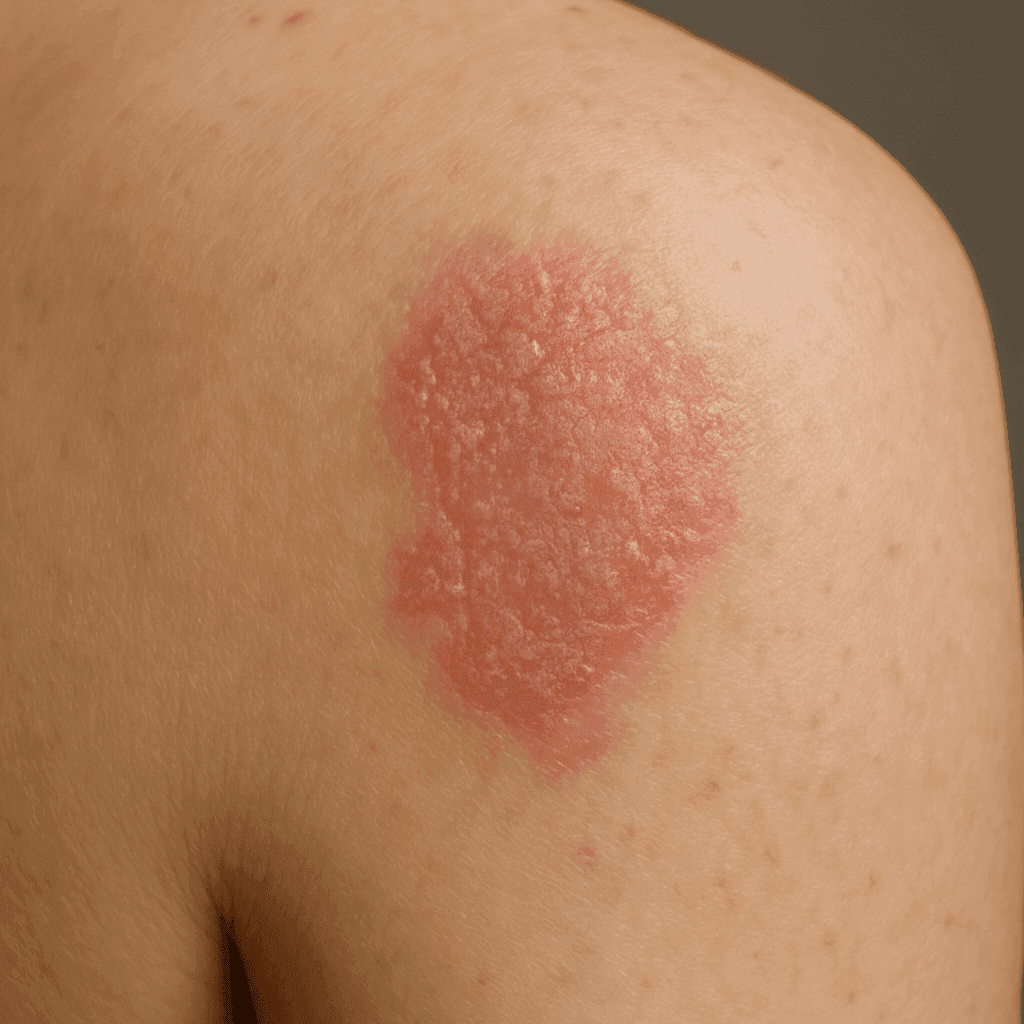
Athlete’s Foot (Tinea Pedis) – How to Treat It Effectively
Identify and treat athlete's foot safely.
Introduction
Athlete's foot, medically known as Tinea Pedis, is a common fungal infection that affects the skin on the feet. It usually begins between the toes and is associated with itchiness, redness, and peeling skin. Understanding the importance of early treatment is essential to prevent the infection from spreading to other parts of the body or to other people. Timely intervention can reduce discomfort and prevent complications.
Understanding Athlete’s Foot
Causes and Risk Factors
Athlete's foot is caused by fungi that thrive in warm, moist environments. Public showers, locker rooms, and swimming pools are common places where the fungi can be contracted. Risk factors include wearing tight shoes, having sweaty feet, and minor skin or nail injuries.
Symptoms and Diagnosis
Symptoms of athlete’s foot include itching, stinging, and burning between the toes or on the soles. The skin may appear red, scaly, and cracked. Diagnosis is often made through physical examination, but sometimes a skin sample may be analyzed for fungi.
How Athlete’s Foot Spreads
Athlete's foot can spread through direct contact with an infected person or by touching surfaces contaminated with the fungi. Sharing shoes or towels with an infected person can also increase the risk of contracting the infection.
Treatment Options for Athlete’s Foot
Over-the-Counter Treatments
A variety of over-the-counter antifungal creams and sprays are available to treat athlete's foot. These include products containing clotrimazole, miconazole, or terbinafine. Powders and solutions can also be effective in keeping feet dry and preventing fungal growth.
Prescription Medications
In more severe cases, prescription medications may be necessary. Oral antifungal medications like itraconazole or terbinafine may be prescribed. Topical prescription treatments can also be used for persistent infections.
Home Remedies and Natural Treatments
Vinegar Soaks
A common home remedy involves soaking the feet in a mixture of water and vinegar. The acidic environment created by the vinegar can help inhibit fungal growth.
Tea Tree Oil Applications
Tea tree oil has natural antifungal properties and can be applied to the affected areas. Dilute the oil with a carrier oil to prevent skin irritation.
Garlic and Other Herbal Remedies
Garlic has antifungal properties and can be crushed and applied to the affected area. Other herbal remedies, such as coconut oil, may provide relief for mild infections.
Lifestyle and Prevention Tips
Maintaining Foot Hygiene
Good foot hygiene can prevent athlete's foot. This includes washing feet daily with soap and water and drying them thoroughly, especially between the toes.
Choosing the Right Footwear
Wear breathable shoes and change socks regularly to reduce moisture. Avoid walking barefoot in public areas such as locker rooms.
Tips for Athletes and Active Individuals
Athletes should ensure their gear is clean and dry. Using antifungal powders in shoes can help keep feet dry and reduce the risk of infection.
Complications of Untreated Athlete’s Foot
If left untreated, athlete's foot can lead to secondary bacterial infections. The infection can also spread to other parts of the body, such as the hands and groin, if proper care is not taken.
When to See a Doctor
If symptoms persist despite treatment, or if the infection is severe with swelling, redness, or pus, it is important to see a healthcare provider. Chronic cases that keep returning may require a stronger treatment plan.
Frequently Asked Questions (FAQ)
- How long does it take to treat athlete’s foot?
Treatment duration varies but typically takes a few weeks with consistent application of antifungal treatments. - Can athlete's foot go away on its own?
While it may improve with good hygiene, treatment is often needed to fully eradicate the fungus. - Are there any side effects of antifungal treatments?
Some treatments may cause skin irritation; it's important to follow instructions and consult a doctor if needed. - How can I prevent athlete’s foot from returning?
Maintain foot hygiene, keep feet dry, and avoid sharing personal items like towels or footwear. - Is athlete's foot contagious to family members?
Yes, it is contagious; avoid sharing towels, shoes, and ensure common areas are clean. - What should I do if over-the-counter treatments don’t work?
Seek medical advice for possible prescription treatments or to rule out other conditions.