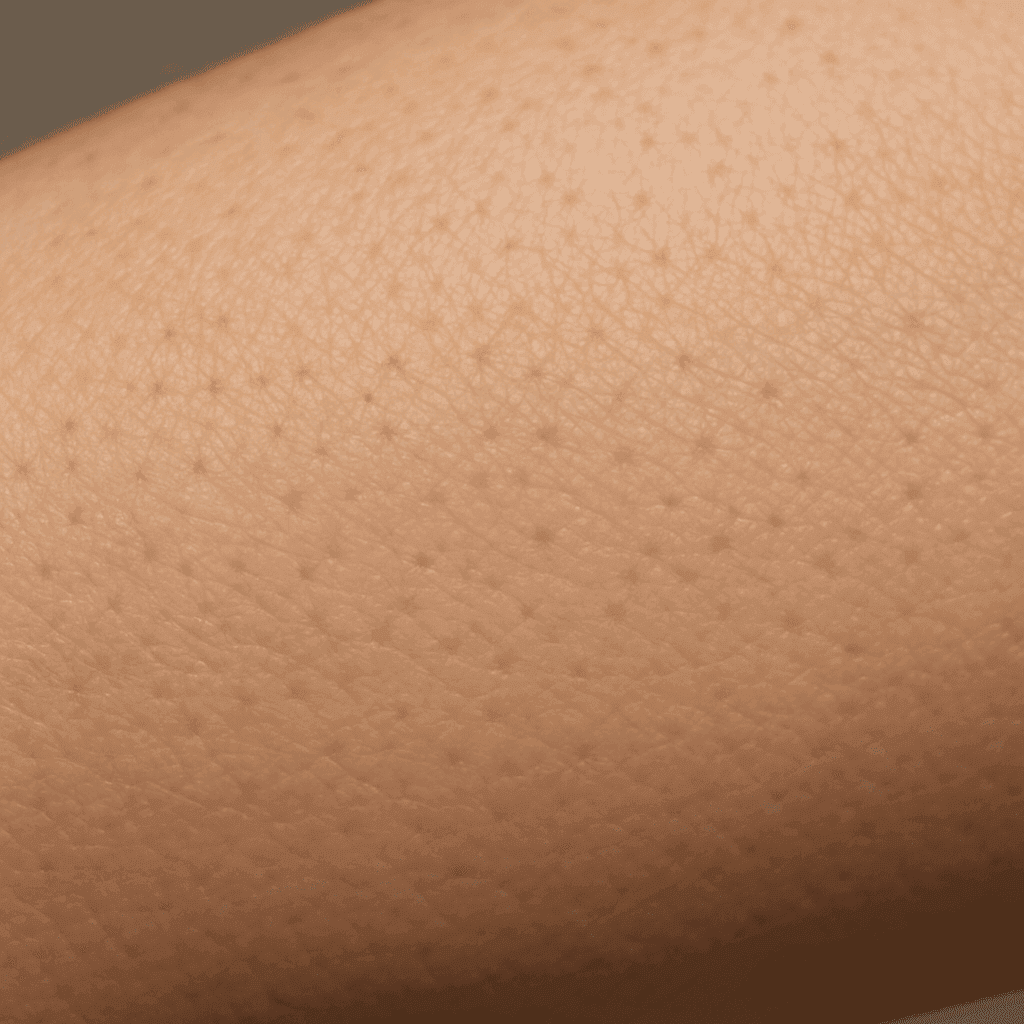
Atopic Dermatitis in Infants: A Comprehensive Guide
Understanding and managing infant eczema effectively.
Introduction
Atopic dermatitis, commonly known as eczema, is a prevalent skin condition that affects many infants. It is characterized by red, itchy, and inflamed skin, which can cause discomfort and distress for both the child and parents. Understanding and managing this condition early is crucial to alleviate symptoms and prevent complications. Early diagnosis and treatment play a vital role in managing atopic dermatitis effectively, allowing for better quality of life for affected infants.
What is Atopic Dermatitis?
Atopic dermatitis is a chronic skin condition that typically manifests in early childhood. It is part of a group of allergic conditions, including asthma and hay fever, often referred to as the 'atopic march'. Unlike other skin conditions, atopic dermatitis is primarily driven by an overactive immune response to environmental triggers, leading to inflammation and irritation. Understanding its distinction from other dermatological issues is essential for proper management and treatment.
Causes of Atopic Dermatitis in Infants
Genetic Factors
Atopic dermatitis often runs in families, indicating a strong genetic component. If one or both parents have a history of eczema, asthma, or hay fever, the likelihood of their child developing atopic dermatitis increases significantly.
Environmental Triggers
Environmental factors such as changes in weather, humidity levels, and exposure to irritants like smoke or pollution can exacerbate atopic dermatitis symptoms in infants.
Allergens and Irritants
Common allergens, including dust mites, pet dander, and certain foods, can trigger or worsen eczema symptoms in sensitive infants. Identifying and managing these triggers is crucial for effective treatment.
Symptoms of Atopic Dermatitis in Infants
Common Signs to Look For
Infants with atopic dermatitis typically exhibit red, itchy patches on the skin, which can appear anywhere but are most commonly found on the face, elbows, and knees. The skin may also become dry, cracked, or scaly.
Severity and Variability of Symptoms
Symptoms can vary widely in severity, from mild irritation to severe, widespread rash. Flare-ups may occur periodically, often in response to specific triggers or changes in routine.
Diagnosing Atopic Dermatitis
When to Consult a Pediatric Dermatologist
If you notice persistent skin irritation in your infant, it is advisable to consult a pediatric dermatologist. Early evaluation can help in managing symptoms effectively.
Diagnostic Tests and Procedures
While atopic dermatitis is primarily diagnosed through clinical examination, a dermatologist may recommend tests to rule out other conditions or identify specific triggers contributing to the eczema.
Treatment Options
Medical Treatments and Prescriptions
Treatment often involves the use of topical corticosteroids or calcineurin inhibitors to reduce inflammation and itching. In some cases, oral medications may be prescribed to control symptoms.
Over-the-Counter Solutions
Moisturizers and emollients are essential for maintaining skin hydration and preventing flare-ups. Products specifically formulated for sensitive skin are recommended.
Lifestyle and Home Care Tips
Simple measures like regular bathing, using mild soaps, and applying moisturizers immediately after drying can help manage eczema symptoms.
Natural Remedies and Alternative Therapies
Safe Herbal Remedies
Some parents find relief using herbal remedies like chamomile or calendula, which have anti-inflammatory properties. However, it's important to consult a healthcare provider before trying alternative treatments.
Role of Diet and Nutrition
Diet can play a role in managing eczema, especially if food allergies are a trigger. Maintaining a balanced diet with adequate nutrients can support overall skin health.
Managing and Preventing Flare-Ups
Daily Skincare Routine
Establishing a consistent skincare routine is crucial. This includes gentle cleansing, regular moisturization, and protection from harsh environmental conditions.
Tips for Minimizing Triggers
Identifying and avoiding triggers can help reduce the frequency and severity of flare-ups. This may involve lifestyle changes, such as using hypoallergenic bedding and clothing.
When to Seek Professional Help
Recognizing Severe Cases
If your child's eczema is not responding to home care, or if you notice signs of infection such as oozing or crusting, professional medical advice is necessary.
Long-term Management Strategies
For chronic cases, a dermatologist may suggest a comprehensive treatment plan that includes both medical and lifestyle interventions to manage symptoms effectively.
FAQs
What is the best treatment for infant eczema?
The best treatment varies depending on the severity and individual triggers. A combination of medical treatments and lifestyle adjustments is often recommended.
How can I prevent my baby's eczema from worsening?
Maintain a consistent skincare routine and avoid known triggers. Regularly moisturize your child's skin to prevent dryness and irritation.
Are there any foods that can trigger eczema in infants?
Common food triggers include dairy, eggs, and nuts. Monitoring your child's diet and consulting with a healthcare provider can help identify specific allergens.
Can breastfeeding help reduce the risk of eczema in infants?
Breastfeeding may lower the risk of developing eczema due to the beneficial antibodies present in breast milk, but it's not a guaranteed preventive measure.
Is infant eczema a lifelong condition?
While some children outgrow eczema, others may continue to experience symptoms into adulthood. Persistent cases require ongoing management.
What materials are best for clothing babies with eczema?
Soft, breathable fabrics like cotton are recommended to minimize skin irritation. Avoid wool or synthetic materials that can exacerbate symptoms.