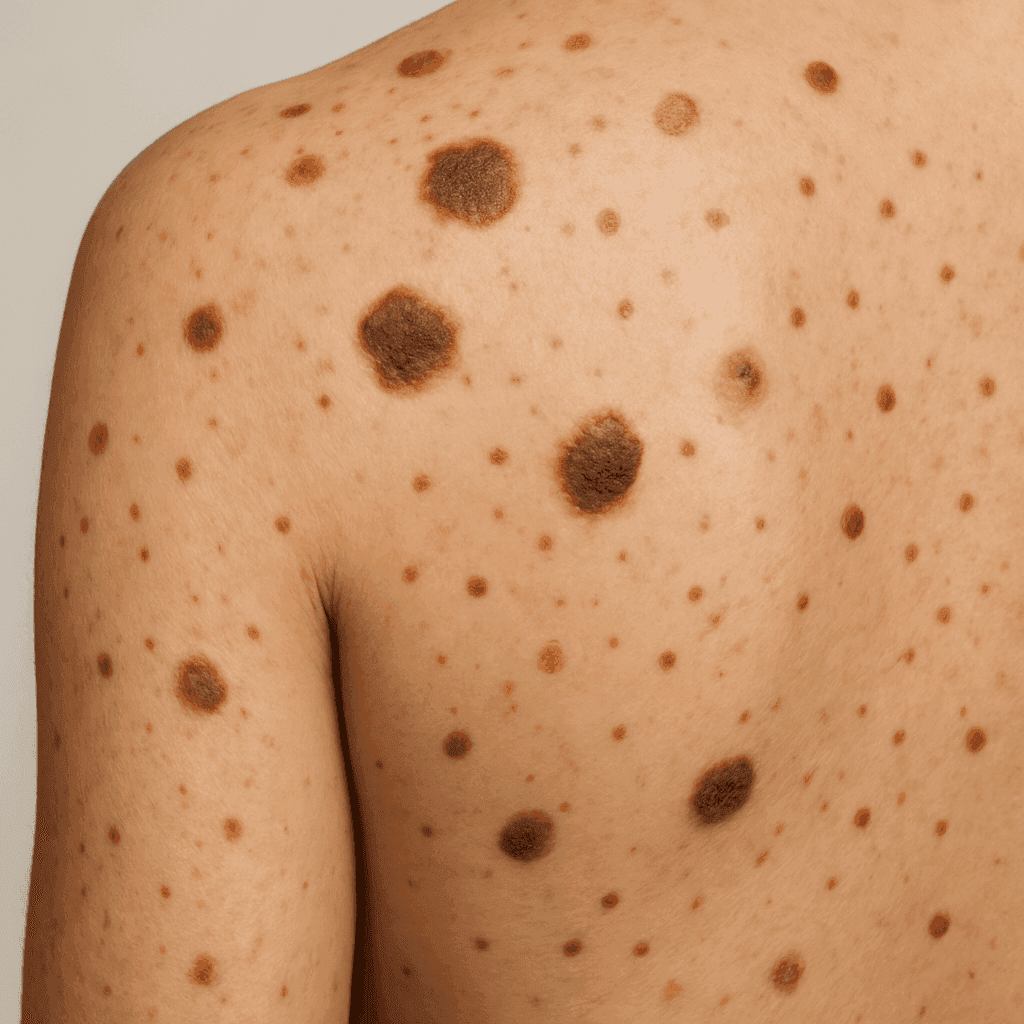
Atypical Mole Syndrome: Understanding and Managing Risks
Explore atypical moles and their implications.
Introduction
Atypical Mole Syndrome (AMS) is a condition characterized by the presence of numerous moles with unusual features. These atypical moles, also known as dysplastic nevi, may appear similar to melanoma, a type of skin cancer. Early detection and regular monitoring are crucial for managing this condition effectively and reducing potential cancer risks.
What is Atypical Mole Syndrome?
Atypical Mole Syndrome is defined by the presence of moles that are larger, have irregular borders, or exhibit varied colors. These moles differ from normal moles, which are typically uniform in color and shape. The presence of multiple atypical moles can increase a person's risk of melanoma, making awareness and regular skin checks vital.
Causes and Risk Factors
Genetic Predisposition
Family history plays a significant role in Atypical Mole Syndrome. Individuals with a genetic predisposition may inherit tendencies for developing atypical moles. Having a first-degree relative with AMS or melanoma can increase risk.
Environmental Influences
Exposure to ultraviolet (UV) radiation from the sun or tanning beds can exacerbate the development of atypical moles. Protective measures, such as using sunscreen and wearing protective clothing, can help mitigate these risks.
Symptoms and Identification
Atypical moles often present as asymmetrical with irregular borders. They may also vary in color, featuring shades of tan, brown, or even pink. Commonly affected areas include the back, chest, and limbs. Recognizing these features can aid in early identification and monitoring.
Diagnosis
A thorough clinical examination by a dermatologist is essential for diagnosing atypical moles. Techniques like dermatoscopy enhance visual assessment by magnifying skin details. In some cases, a biopsy may be performed to examine the mole more closely and rule out malignancy.
Treatment Options
Monitoring and Regular Skin Checks
Frequent monitoring and regular skin examinations are pivotal in managing AMS. Dermatologists may recommend follow-ups every six to twelve months, depending on individual risk factors.
Surgical Removal of Atypical Moles
In certain cases, surgical removal of atypical moles may be advised, especially if there are changes in size, shape, or color. This procedure is typically straightforward and performed under local anesthesia.
Prevention Strategies
Sun Protection and Skin Care
Adopting sun safety measures is crucial for preventing the development of new atypical moles. This includes applying broad-spectrum sunscreen, seeking shade during peak UV hours, and avoiding tanning beds.
Lifestyle Modifications
Maintaining a healthy lifestyle, including a balanced diet and avoiding smoking, can contribute to overall skin health and potentially reduce the risk of atypical moles.
Atypical Mole Syndrome and Skin Cancer
A strong link exists between atypical moles and melanoma. Those with AMS are at a higher risk and should be particularly vigilant. Regular check-ups and self-examinations are key components in early detection and prevention of skin cancer.
Living with Atypical Mole Syndrome
Psychological Impact
Living with AMS can be challenging due to the constant need for vigilance and the potential for anxiety about cancer risk. Support groups and counseling can be beneficial resources for coping with these challenges.
Support and Resources
Access to reliable information and support networks can empower individuals to manage AMS effectively. Online resources and community support can provide valuable assistance and guidance.
Frequently Asked Questions (FAQ)
What are the chances of atypical moles becoming cancerous?
While not all atypical moles become cancerous, they do increase the risk of melanoma. Regular monitoring is essential.
How often should I have my atypical moles checked?
It's recommended to have moles checked every six to twelve months, or more frequently if there are changes.
Can atypical moles appear suddenly?
Yes, atypical moles can develop suddenly, making regular skin checks important.
Is there a genetic test for atypical mole syndrome?
Currently, there is no specific genetic test for AMS, but family history is a strong indicator of risk.
What should I do if I notice changes in my moles?
Consult a dermatologist promptly if you notice any changes in your moles.
Are there any lifestyle changes that can reduce the risk of developing atypical moles?
Implementing sun protection measures and maintaining a healthy lifestyle can help reduce risks.