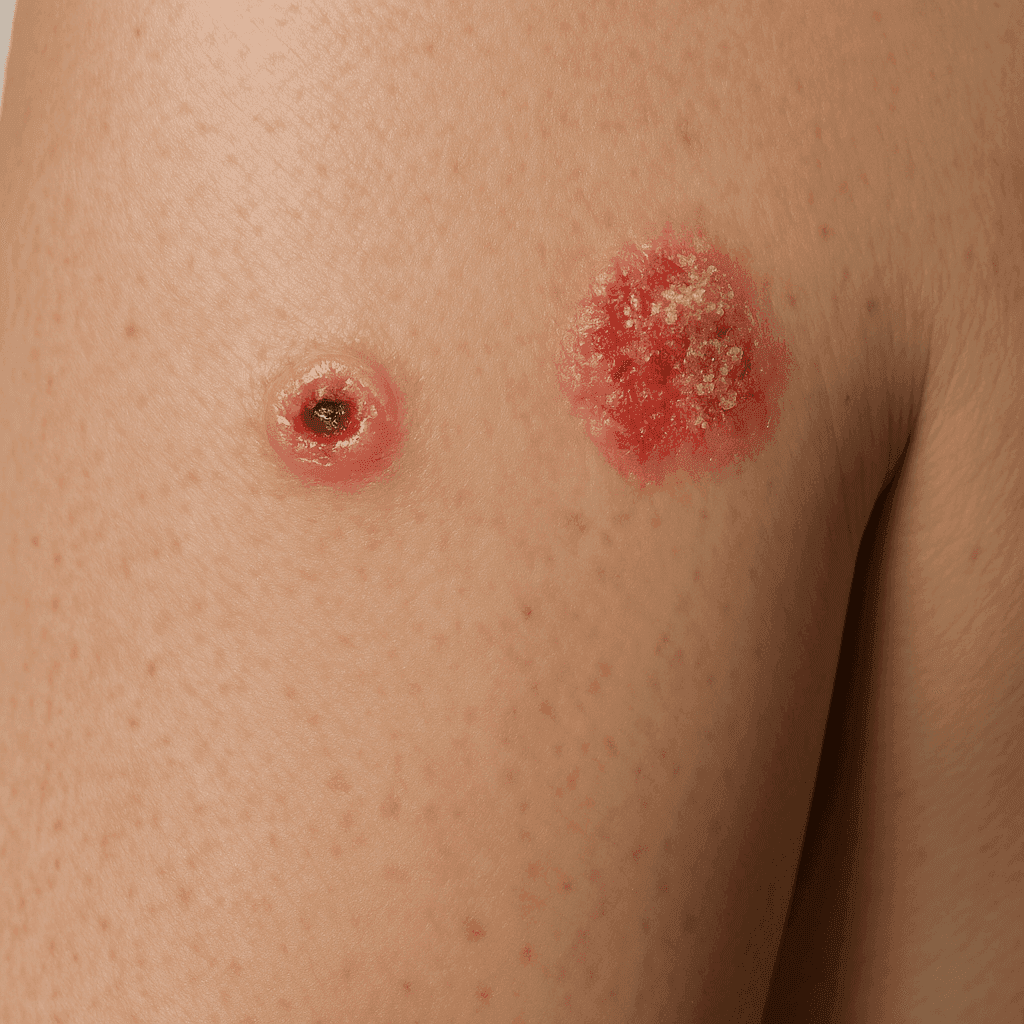
Basal Cell Carcinoma vs. Squamous Cell Carcinoma: Differences and Symptoms
Differences between basal and squamous cell carcinoma.
Introduction
Skin cancer is one of the most common forms of cancer worldwide, affecting millions of people each year. Among the various types, basal cell carcinoma (BCC) and squamous cell carcinoma (SCC) are the most prevalent non-melanoma skin cancers. Understanding the differences between these two types is crucial for early detection and effective treatment. This article aims to provide comprehensive information on BCC and SCC, highlighting their symptoms, risk factors, and treatment options.
What is Basal Cell Carcinoma?
Basal cell carcinoma is a type of skin cancer that arises from the basal cells, which are located in the epidermis, the outermost layer of the skin. BCC is the most common type of skin cancer, often developing in areas exposed to the sun, such as the face, neck, and arms. It is characterized by slow growth and a low likelihood of metastasis, making it less aggressive compared to other skin cancers.
Symptoms of Basal Cell Carcinoma
Common symptoms of BCC include pearly or waxy bumps, often with visible blood vessels. These may appear as flat, flesh-colored or brown scars. Early signs also include sores that do not heal or heal and then return. Identifying these symptoms early and seeking medical advice can significantly improve treatment outcomes.
What is Squamous Cell Carcinoma?
Squamous cell carcinoma is a cancer that originates from the squamous cells, which make up most of the upper layers of the skin. SCC can occur on any part of the body but is most commonly found in sun-exposed areas like the face, ears, and hands. Unlike BCC, SCC has a greater potential for spreading to other parts of the body if left untreated.
Symptoms of Squamous Cell Carcinoma
Symptoms of SCC include firm, red nodules and flat lesions with a scaly, crusted surface. These lesions are often rough to the touch and may bleed or become ulcerated. Early detection is key, as SCC can be more aggressive than BCC.
Key Differences Between Basal Cell and Squamous Cell Carcinomas
While both BCC and SCC are types of non-melanoma skin cancers, they have distinct characteristics. BCC typically grows slowly and rarely spreads beyond its original site, whereas SCC can grow more rapidly and has a higher risk of metastasis. Visually, BCC often appears as shiny bumps or lesions, while SCC presents as scaly patches or red nodules. Understanding these differences can aid in identifying the type of skin cancer and selecting an appropriate treatment plan.
Diagnosis of Basal Cell and Squamous Cell Carcinomas
Diagnosis of BCC and SCC involves a physical examination by a dermatologist, often supplemented by a biopsy to confirm the type of skin cancer. Early detection is crucial for effective treatment, and regular skin checks, either in-person or through online platforms offering dermatologist-reviewed photo assessments, are recommended.
Treatment Options
Treatment for BCC typically involves surgical removal, topical medications, or radiation therapy. SCC treatment may also include these methods, along with chemotherapy or immunotherapy for more advanced cases. Comparing treatment approaches, BCC generally requires less aggressive intervention, while SCC might necessitate more extensive treatment due to its potential to spread.
Prevention Strategies
Preventing skin cancer involves protecting the skin from excessive sun exposure by wearing sunscreen, hats, and protective clothing. For BCC, avoiding sunburns and monitoring skin changes can reduce risk. For SCC, in addition to sun protection, avoiding tanning beds and monitoring for changes in existing skin lesions is advised.
Prognosis and Survival Rates
The prognosis for BCC is generally excellent, with high survival rates due to its slow growth and low metastatic potential. SCC also has a good prognosis when detected early, but the survival rates may vary based on the cancer stage and treatment effectiveness.
FAQ
What are the most common signs of basal cell carcinoma?
Common signs include pearly bumps and sores that do not heal.
How is squamous cell carcinoma different from melanoma?
SCC is less aggressive than melanoma but can still spread if untreated.
Can basal cell carcinoma turn into squamous cell carcinoma?
No, they are distinct types of skin cancer.
What is the likelihood of recurrence for these skin cancers?
Recurrence is possible, especially if not completely treated.
How do lifestyle changes impact the risk of developing skin cancer?
Sun protection and avoiding UV exposure can significantly reduce risk.
Are there any new treatments for non-melanoma skin cancers?
Advancements include targeted therapies and immunotherapy, offering new options for patients.