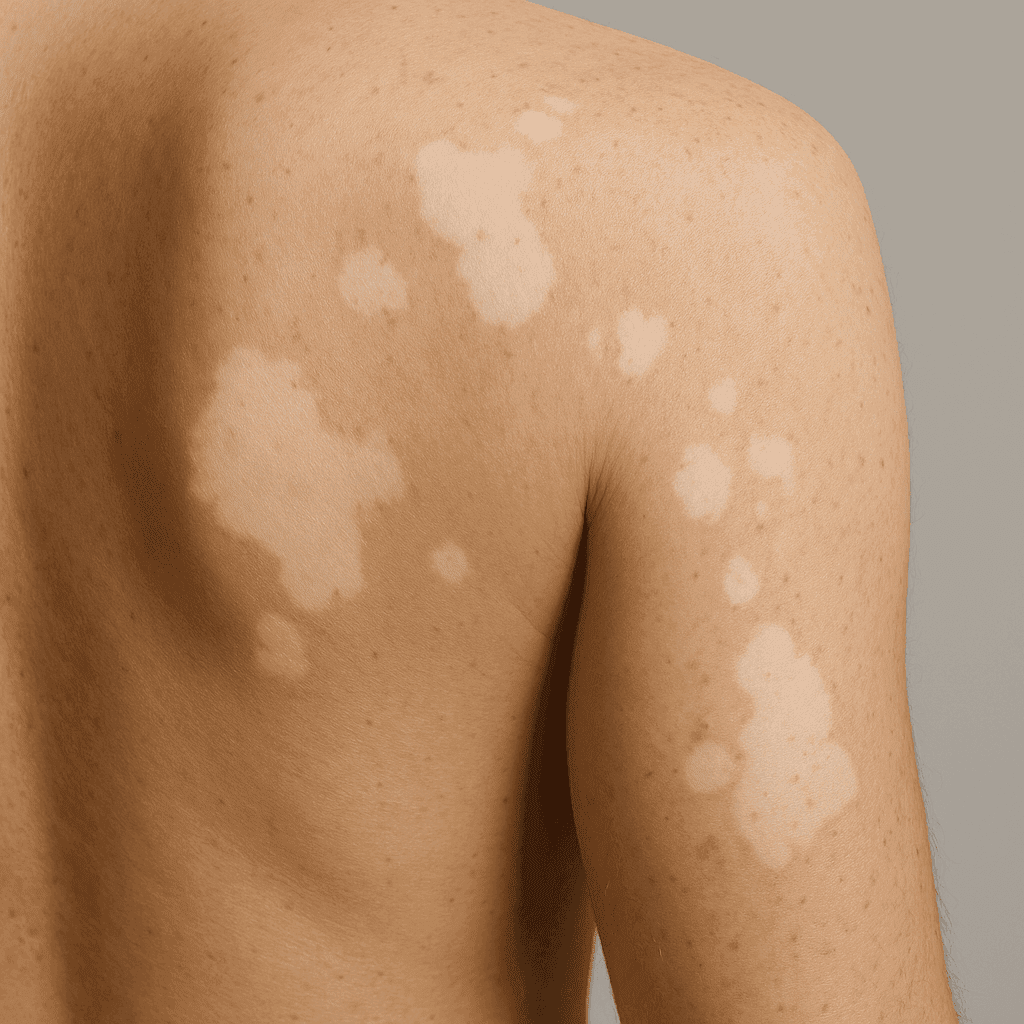
Vitiligo - how does it develop and can it be cured?
Vitiligo: causes, treatment, prevention, and new research.
Introduction
Vitiligo is a chronic skin condition characterized by pigment loss, leading to white patches on the body. It affects people all over the world, regardless of gender, age, or skin color. It is estimated that approximately 1% of the global population suffers from this condition. Although vitiligo is not dangerous to physical health, it can significantly affect the quality of life of patients.
Causes and mechanism of vitiligo
Autoimmune process
Vitiligo is often associated with a malfunction of the immune system, which mistakenly attacks melanocytes—the cells responsible for producing melanin.
Genetic factors
There is evidence that vitiligo may be hereditary. People who have relatives with vitiligo are more likely to develop the disease.
Environmental and lifestyle factors
Stress, exposure to toxins, and skin injuries can contribute to the development of vitiligo. It is important to maintain a healthy lifestyle to minimize the risk.
Symptoms of vitiligo
The disease manifests itself as white patches on the skin, which can appear anywhere on the body, most commonly on the face, hands, and joints. These patches may grow and merge, creating larger areas of depigmentation.
Other symptoms may include premature graying of the hair and changes in the color of the iris, although these are less common.
Diagnosis of vitiligo
How is it diagnosed?
The diagnosis of vitiligo is based mainly on clinical observation. A dermatologist evaluates the skin lesions and, in some cases, may order a biopsy.
Auxiliary examinations and tests
Laboratory tests may include blood tests to rule out other autoimmune diseases that may accompany vitiligo.
Treatment of vitiligo
Pharmacotherapy
The use of corticosteroids and immunomodulators can help stop the progression of the disease and restore pigment in some cases.
Light therapies
Phototherapy, especially UVB irradiation, is one of the most effective methods of treating vitiligo.
Surgical treatment
In some cases, skin or melanocyte grafts are used, which can restore pigmentation to the affected areas.
Alternative and complementary treatments
Supplementation and diet
A proper diet, rich in antioxidants and vitamins, can support skin health.
Natural methods and herbal medicine
Certain herbs, such as turmeric and ginkgo biloba, are used to supplement traditional treatments.
Psychological and social aspects of vitiligo
Vitiligo can have a significant impact on patients' mental health, leading to low self-esteem and emotional problems. It is important that people with vitiligo have access to psychological support and support groups.
Strategies for coping with the disease include stress management techniques and developing a positive outlook on life.
Vitiligo and other diseases
Links to autoimmune diseases
People with vitiligo are more prone to other autoimmune diseases, such as Hashimoto's disease and type 1 diabetes.
Other dermatological conditions
Vitiligo can coexist with other dermatological problems, which requires a comprehensive approach to treatment.
Prevention
Can vitiligo be prevented?
There are currently no known methods of preventing vitiligo, but a healthy lifestyle, avoiding stress, and protecting the skin from injury can reduce the risk of developing it.
Lifestyle tips
Regular moisturizing of the skin, use of sunscreen, and a balanced diet are the basic principles of skin care.
New research and the future of vitiligo treatment
Current scientific research
Scientists are constantly working to understand the mechanisms of vitiligo and develop new treatments.
Prospects for the development of therapies
Advances in biotechnology and regenerative medicine offer hope for more effective therapies in the future.
Summary
Vitiligo is a complex disease that affects many aspects of patients' lives. Although there is no miracle cure yet, modern treatments and research offer increasing hope for improving the quality of life of people with vitiligo. It is important for people with vitiligo to consult with medical specialists and take advantage of available forms of support.
Sources
- World Health Organization (WHO)
- American Academy of Dermatology
- National Vitiligo Foundation
- Dermatology journals and scientific publications