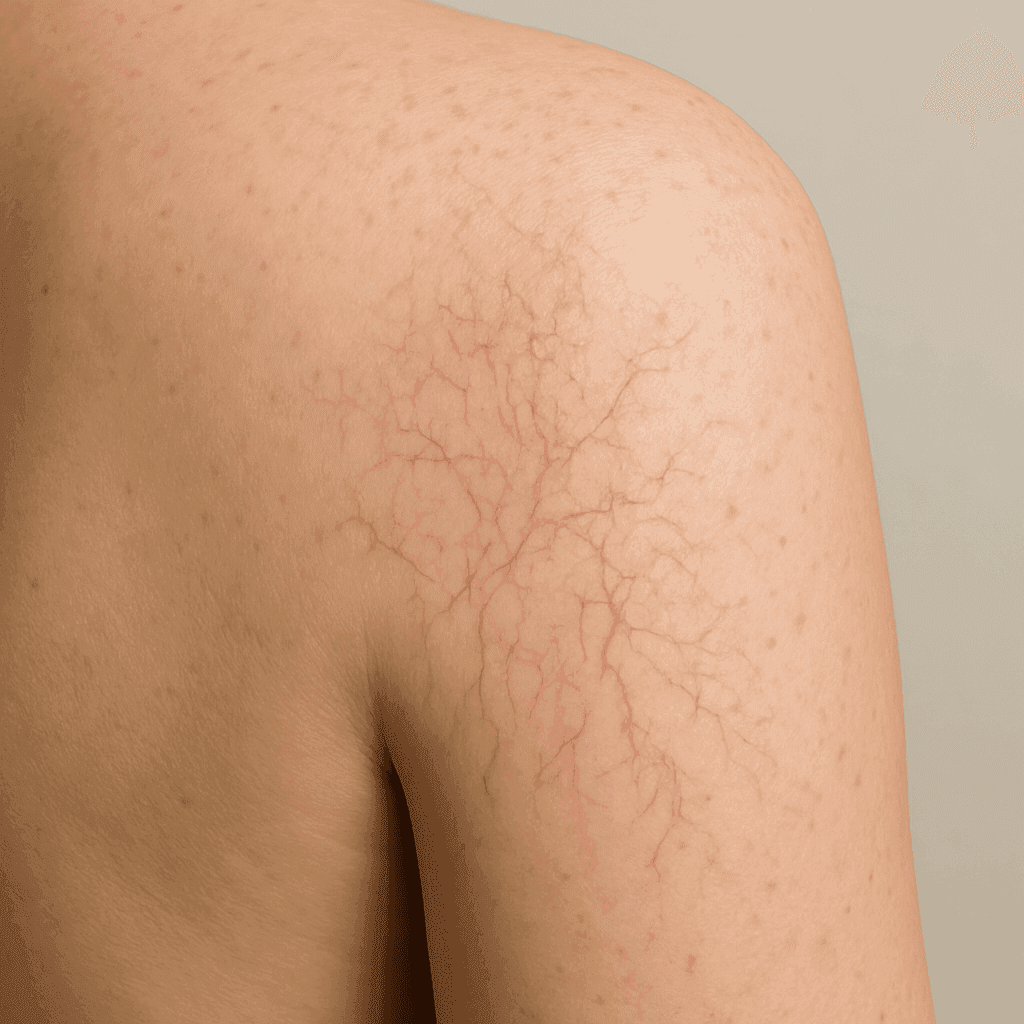
Broken Capillaries on the Face – Causes and Treatment
Understand causes and treatments for facial broken capillaries.
Introduction
Broken capillaries on the face, often appearing as small, red or purple lines, are a common cosmetic concern for many individuals. These tiny blood vessels, also known as spider veins or telangiectasia, can cause facial redness and affect one's confidence. Understanding the causes and available treatments is essential for managing and potentially improving this condition.
What Are Broken Capillaries?
Broken capillaries occur when small blood vessels under the skin become dilated and visible. They typically appear on the cheeks and around the nose but can occur anywhere on the face. Although they are usually harmless, they can be a source of cosmetic concern. Broken capillaries can be distinguished from other skin conditions by their distinct red or purple appearance.
Causes of Broken Capillaries on the Face
Genetic Predisposition
Some individuals are more prone to broken capillaries due to genetic factors. If your family members have experienced similar issues, you may also be at higher risk.
Environmental Factors
Exposure to extreme weather conditions, such as intense sun or cold, can weaken capillaries over time. Sun damage, in particular, is a leading cause of broken capillaries as it breaks down collagen and elastin in the skin.
Lifestyle Factors
Alcohol consumption and smoking can contribute to the development of broken capillaries. Alcohol causes blood vessels to dilate, while smoking can damage skin and blood vessels over time.
Skin Trauma or Injury
Rubbing or scrubbing the face vigorously, or using harsh skincare products, can cause trauma to the skin, leading to broken capillaries.
Underlying Medical Conditions
Certain medical conditions, such as rosacea or high blood pressure, can predispose individuals to broken capillaries.
Symptoms and Diagnosis
Broken capillaries are primarily identified by their appearance: small, visible red or purple lines on the face. They may be accompanied by facial redness. A dermatologist can diagnose broken capillaries through a visual examination and may use dermoscopy to assess the condition more closely.
Treatment Options for Broken Capillaries
Medical Treatments
Laser Therapy
Laser therapy is one of the most effective treatments for broken capillaries. It works by emitting a concentrated beam of light that targets and diminishes the appearance of the blood vessels.
Sclerotherapy
Although traditionally used for varicose veins, sclerotherapy can sometimes be used on facial veins. This involves injecting a solution into the veins, causing them to collapse and fade.
Intense Pulsed Light (IPL) Therapy
IPL therapy uses broad-spectrum light to treat broken capillaries, promoting an even skin tone.
Skincare Products
Topical treatments containing vitamin C and niacinamide can help strengthen capillaries and reduce redness. Look for products formulated for sensitive skin to avoid irritation.
Natural and Home Remedies
- Aloe Vera: Known for its soothing properties, aloe vera can reduce inflammation and redness.
- Witch Hazel: This natural astringent can help tighten the skin and reduce the appearance of broken capillaries.
- Green Tea Extract: Rich in antioxidants, green tea extract can help protect and repair skin.
Preventive Measures
Sun Protection Strategies
To prevent further damage, use broad-spectrum sunscreen daily with an SPF of at least 30. Wearing hats and seeking shade can further protect against UV rays.
Skincare Routines for Sensitive Skin
Use gentle, hydrating skincare products to maintain skin barrier health. Avoid exfoliating too harshly.
Lifestyle Modifications
Reducing alcohol consumption and quitting smoking can improve overall skin health and reduce the risk of developing broken capillaries.
When to See a Dermatologist
If broken capillaries are causing significant cosmetic concern or are accompanied by other symptoms like persistent redness or irritation, it's time to consult a dermatologist. During a consultation, the dermatologist will assess your skin, discuss possible treatments, and create a personalized care plan.
Frequently Asked Questions (FAQ)
Can broken capillaries on the face heal on their own?
While some broken capillaries may improve over time, many persist without treatment. Professional treatments may be necessary for significant improvement.
Is laser treatment for broken capillaries painful?
Most patients experience minimal discomfort during laser treatment, often described as a slight stinging sensation.
How effective are home remedies for treating broken capillaries?
Home remedies can help reduce redness and support skin health, but they may not completely eliminate broken capillaries.
Are broken capillaries a sign of rosacea?
Broken capillaries can be a symptom of rosacea, but they can also occur independently.
What is the recovery time after laser treatment for broken capillaries?
Recovery time is usually minimal, with most individuals resuming normal activities immediately after treatment.
Can makeup worsen broken capillaries on the face?
Using heavy or irritating makeup can exacerbate redness. Opt for non-comedogenic, gentle products designed for sensitive skin.