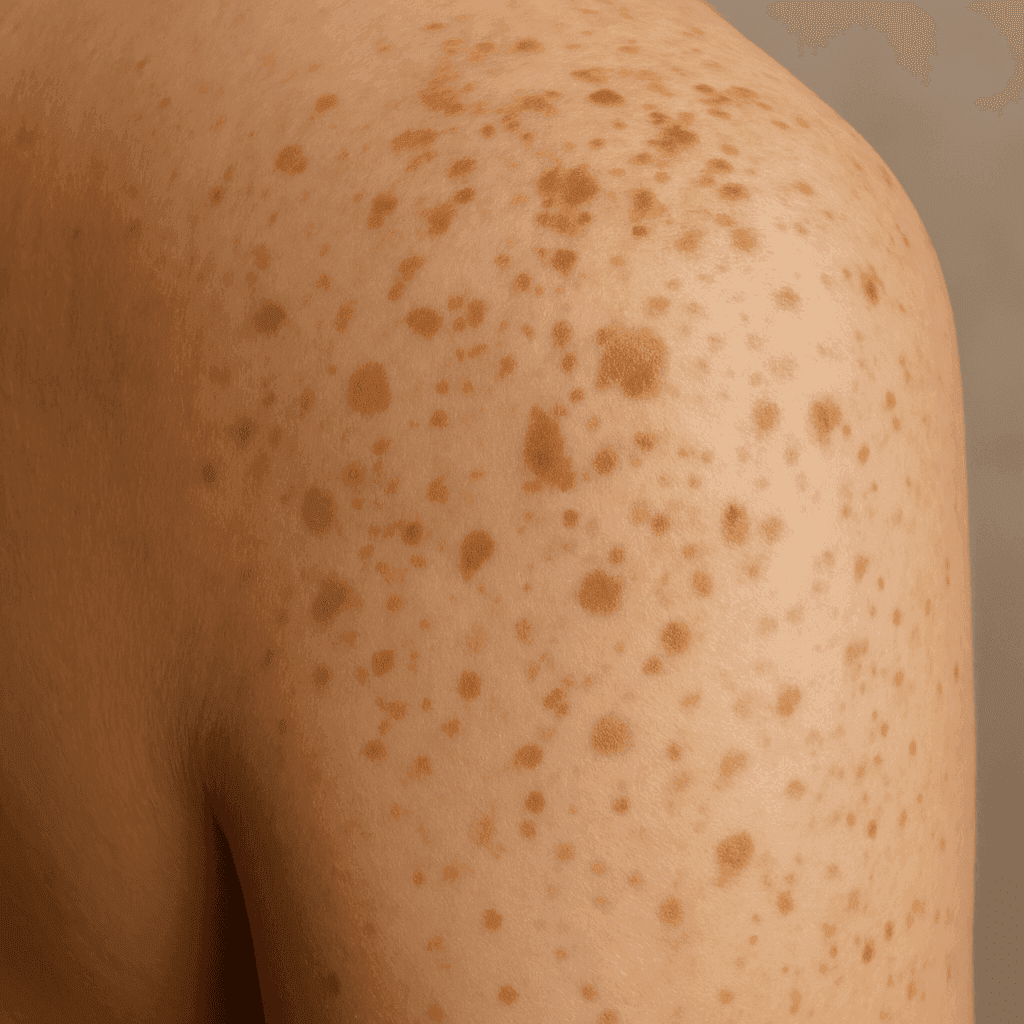
Brown Spots on the Skin: Hyperpigmentation or Skin Disease?
Understanding brown spots' causes and treatments.
Introduction
Brown spots on the skin are a common concern for many individuals. These spots can vary in size and color and often appear on the face, hands, and other sun-exposed areas. Understanding the cause of these spots is crucial for effective treatment and prevention. This article explores the different types of brown spots, their causes, potential treatments, and preventive measures.
What are Brown Spots?
Brown spots, also known as liver spots or age spots, are flat, brown, or black patches on the skin. They are most commonly found in areas exposed to the sun, such as the face, hands, shoulders, and arms. There are several types of brown spots, including freckles, melasma, and lentigines, each with distinct characteristics and causes. Freckles are small and typically increase in number with sun exposure, while melasma is often linked to hormonal changes.
Types of Brown Spots
- Freckles: Small, light-brown spots that appear with sun exposure.
- Age Spots: Larger, darker spots that often appear with aging.
- Melasma: Brown patches often caused by hormonal changes.
Causes of Brown Spots on Skin
Brown spots can develop due to a variety of reasons. Hyperpigmentation is a leading cause, where an excess production of melanin, the pigment responsible for skin color, leads to dark patches. Other causes include skin diseases like post-inflammatory hyperpigmentation, and environmental factors such as prolonged sun exposure or pollution.
Hyperpigmentation
Hyperpigmentation can result from acne scars, eczema, psoriasis, or other skin injuries that cause inflammation. It is characterized by darkened patches that may fade over time or require treatment.
Skin Diseases
Certain skin diseases, such as melasma, can cause brown spots. These conditions may require medical intervention and should be evaluated by a dermatologist for accurate diagnosis.
Hyperpigmentation vs Skin Disease
Distinguishing between hyperpigmentation and skin diseases is crucial for effective treatment. Hyperpigmentation generally presents as uniform brown patches, while diseases can cause varied symptoms such as itching or scaling. Common conditions include melasma, often triggered by hormonal changes, and post-inflammatory hyperpigmentation, which follows skin injuries.
Common Conditions
- Melasma: Often affects women and is related to hormonal changes.
- Post-Inflammatory Hyperpigmentation: Follows skin injury or inflammation.
Diagnosis and Identification
If you notice new or changing brown spots, consulting a dermatologist is recommended. Dermatologists can perform a thorough examination and may use tools like dermoscopy to assess the skin. Early diagnosis is essential, especially to rule out serious conditions such as skin cancer. Diagnostic procedures may include skin biopsies or digital imaging for detailed analysis.
Treatment Options for Brown Spots
Treatment for brown spots varies depending on the cause. Medical treatments include prescription creams containing hydroquinone or retinoids, which can lighten spots over time. Laser therapy is another option, targeting pigment to reduce visibility. For those preferring natural remedies, ingredients like aloe vera, vitamin C, and licorice extract may help lighten spots. Lifestyle changes such as using sunscreen daily and avoiding peak sun hours are effective preventive measures.
Medical Treatments
- Prescription Creams: Often contain hydroquinone or retinoids.
- Laser Therapy: Targets and reduces pigment in the skin.
Brown Spots and Skin Cancer
While most brown spots are benign, certain features may indicate skin cancer. Warning signs include spots that change in size, color, or shape, have irregular borders, or bleed. Early detection is crucial for successful treatment, so regular skin checks and dermatologist visits are advised.
Warning Signs
- Irregular Borders: Spots that are not round or have uneven edges.
- Color Changes: Variations in color within a single spot.
Preventing Brown Spots
Prevention is key to minimizing brown spots. Sun protection strategies include using broad-spectrum sunscreen with an SPF of at least 30, wearing protective clothing, and seeking shade during peak sun hours. A consistent skincare routine that includes gentle cleansing and moisturizing can help maintain healthy skin and prevent further pigmentation.
Sun Protection Strategies
- Sunscreen: Apply daily, even on cloudy days.
- Protective Clothing: Hats and long sleeves can shield skin from sun exposure.
Conclusion
Understanding the causes and treatments for brown spots on the skin is essential for managing and preventing them. While most spots are harmless, any changes should be evaluated by a dermatologist. By adopting preventive measures and seeking appropriate treatment, individuals can maintain healthy, clear skin.
Final Advice
- Regular check-ups with a dermatologist ensure early detection of any issues.
- Consistent use of sun protection can prevent many skin discolorations.
Frequently Asked Questions
What causes brown spots on the skin?
Brown spots can be caused by sun exposure, aging, hormonal changes, or certain skin conditions.
Are brown spots a sign of skin cancer?
Not all brown spots are cancerous, but it's important to monitor changes and consult a dermatologist for suspicious spots.
How can I prevent brown spots on my skin?
Using sunscreen, wearing protective clothing, and maintaining a good skincare routine can help prevent brown spots.
What treatments are available for brown spots?
Treatments range from topical creams and laser therapy to natural remedies and lifestyle changes.
Can brown spots be removed permanently?
Some treatments can significantly reduce or remove brown spots, but ongoing prevention is key to maintaining results.