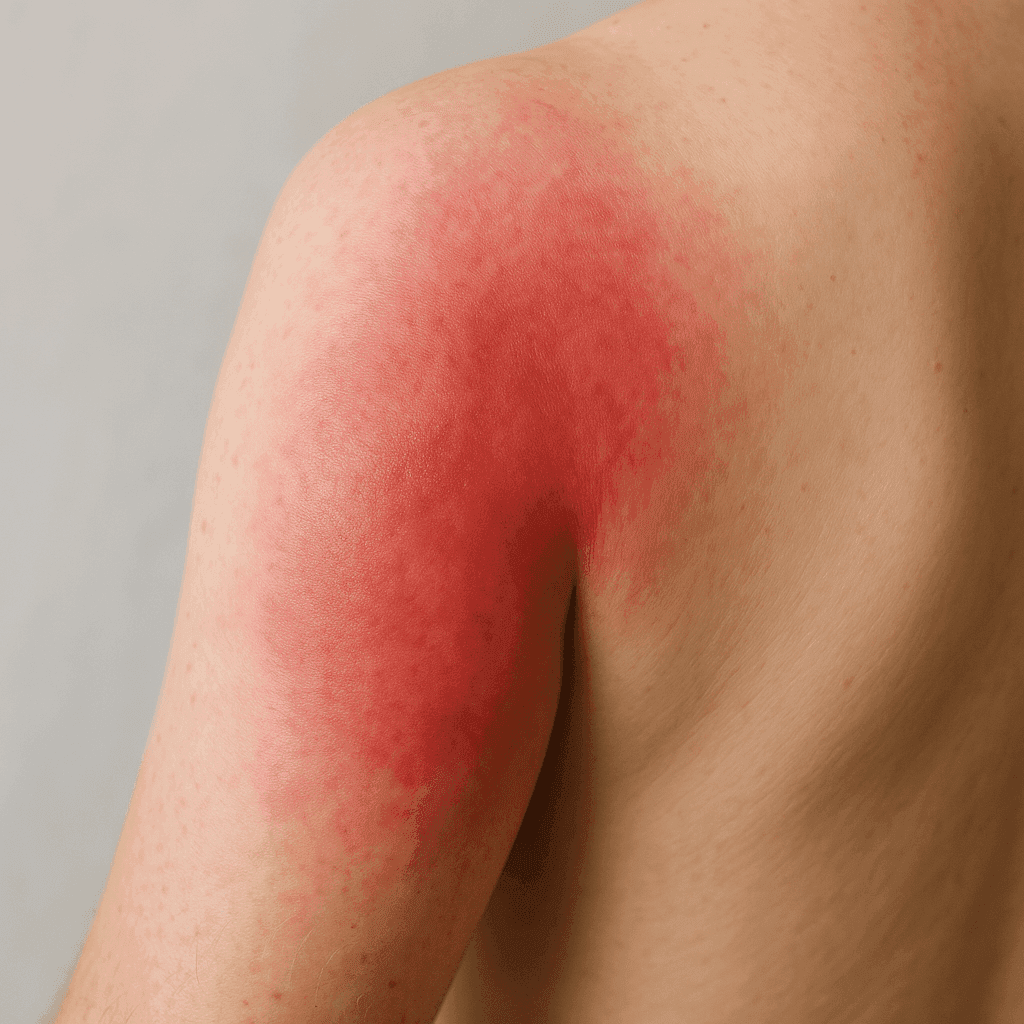
Cellulitis – Symptoms and Treatment
Learn about cellulitis symptoms and treatments.
Introduction
Cellulitis is a common bacterial skin infection that can become severe if not properly addressed. It is essential to understand its symptoms and available treatment options to manage the condition effectively. This article provides an in-depth look at cellulitis, including its causes, symptoms, treatment, and prevention strategies.
What is Cellulitis?
Cellulitis is an infection of the skin and tissues beneath the skin, typically caused by bacteria such as Streptococcus and Staphylococcus. It often begins with a break in the skin, such as a cut or scrape, allowing bacteria to enter. Common risk factors include injuries, immune system deficiencies, and chronic conditions like diabetes. Understanding these factors can help in preventing and managing cellulitis effectively.
Symptoms of Cellulitis
Early signs of cellulitis include redness, swelling, warmth, and pain in the affected area. As the infection progresses, symptoms may include fever, chills, and fatigue. Distinguishing cellulitis from other skin infections is crucial for appropriate treatment. Unlike cellulitis, some skin infections may present with pus or abscesses, requiring different medical approaches.
Diagnosing Cellulitis
Diagnosis typically involves a physical examination and a detailed medical history review. In some cases, doctors may perform blood tests or cultures to identify the bacteria causing the infection. Accurate diagnosis is essential for effective treatment, as misdiagnosis can lead to inappropriate treatment and complications.
Treatment Options for Cellulitis
Medical Treatments
The primary treatment for cellulitis involves antibiotics, which can be administered orally or intravenously, depending on the severity of the infection. Hospitalization may be necessary for severe cases, particularly if the patient has underlying health conditions that complicate treatment.
Home Care and Management
To support medical treatment, patients can manage cellulitis at home by elevating the affected area, applying warm compresses, and staying hydrated. While some home remedies are popular, they should not replace professional medical advice.
Complications of Untreated Cellulitis
If left untreated, cellulitis can lead to serious complications, such as abscess formation, sepsis, and chronic swelling. Early medical intervention is crucial to prevent these risks. Patients should seek immediate medical attention if symptoms worsen or do not improve with treatment.
Prevention of Cellulitis
Preventive measures include proper wound care, maintaining skin hygiene, and managing underlying conditions like diabetes. Regular monitoring of skin integrity is vital, especially for individuals prone to skin infections. Adopting these practices can significantly reduce the risk of cellulitis.
Cellulitis in Special Populations
Cellulitis in Children
Children may exhibit different symptoms, such as irritability and fever, making early diagnosis and treatment crucial. Pediatric treatment strategies may differ slightly, emphasizing the importance of consulting a healthcare provider.
Cellulitis and Diabetes
Diabetes can complicate cellulitis due to impaired immune response and poor circulation, leading to slower healing. Diabetic patients should take extra precautions to monitor their skin and seek prompt treatment if signs of infection appear.
Cellulitis and Lymphedema
Lymphedema, characterized by chronic swelling, can increase the risk of cellulitis. Management includes regular monitoring of the limb, compression therapy, and prompt treatment of any skin breaks.
Conclusion
Understanding the symptoms and treatment options for cellulitis is vital for preventing complications and ensuring effective management. Early detection and appropriate medical intervention are key to recovery and reducing the risk of recurrence. Individuals should remain vigilant and seek medical advice when needed.
Frequently Asked Questions (FAQs)
What are the first signs of cellulitis?
The first signs of cellulitis include redness, warmth, swelling, and pain in the affected area. These symptoms can progress quickly, so early medical evaluation is recommended.
Can cellulitis heal on its own?
Cellulitis typically requires medical treatment with antibiotics. While some mild cases may improve without intervention, professional medical advice should be sought to prevent complications.
How long does it take to recover from cellulitis?
Recovery time varies depending on the severity of the infection and the individual's overall health. Most cases improve within 7 to 10 days with appropriate antibiotic treatment.
Is cellulitis contagious?
Cellulitis itself is not contagious, as it involves bacteria that are already present on the skin. However, proper hygiene and wound care are essential to prevent bacterial spread.
What should I do if my cellulitis symptoms worsen?
If symptoms worsen, seek immediate medical attention to adjust treatment and prevent complications.
Can cellulitis recur, and how can I prevent it?
Cellulitis can recur, especially if underlying conditions are not managed. Preventive measures include skin care, managing chronic conditions, and prompt treatment of any new skin injuries.