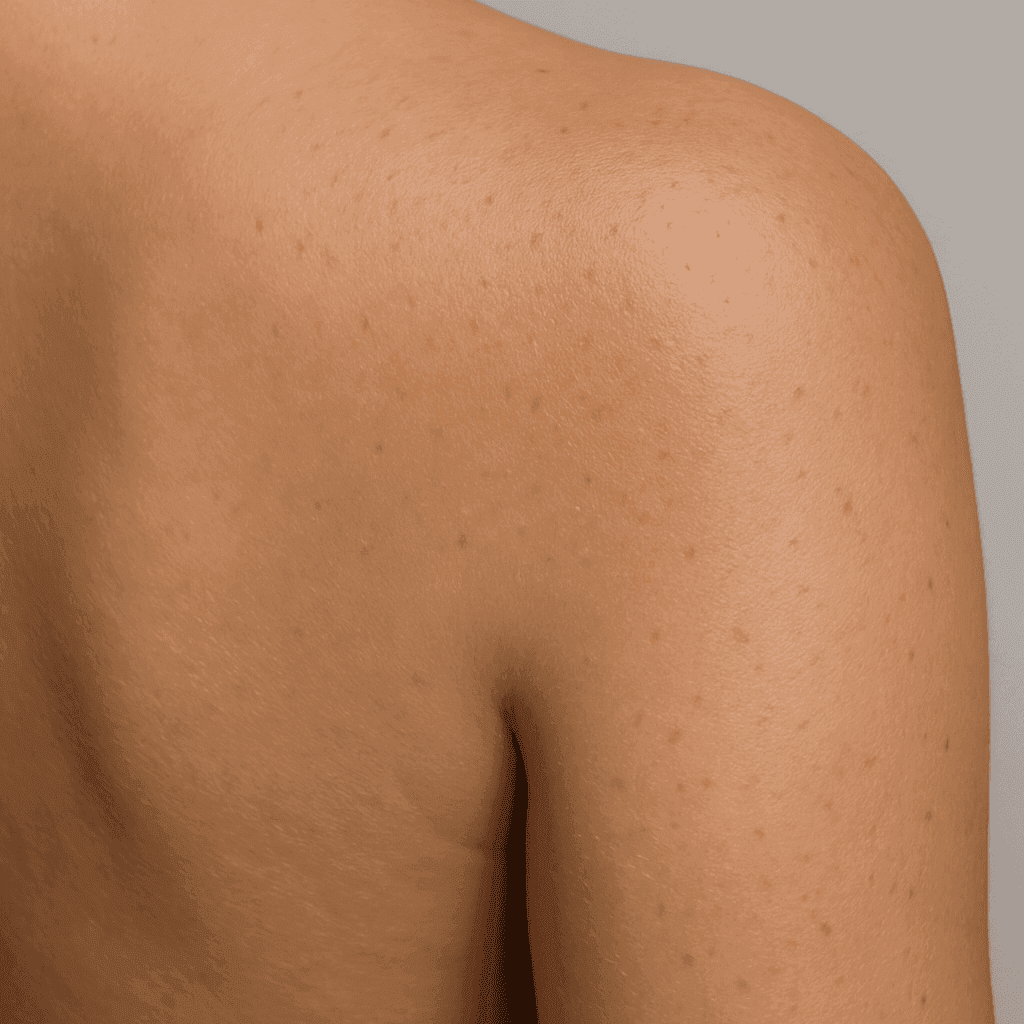
Choosing Skincare Products for Combination Skin
Guide to skincare for combination skin types.
Introduction
Combination skin is a common skin type characterized by having both oily and dry areas. Typically, the T-zone (forehead, nose, and chin) tends to be oily, whereas the cheeks may be dry or normal. This dual-natured skin can be challenging to manage because it requires products that can cater to both aspects without exacerbating either condition. Choosing the right skincare products is crucial to maintaining a balanced, healthy complexion.
Understanding your skin type and its needs is the first step to creating an effective skincare routine. With the right approach, you can achieve a more balanced skin, which not only looks better but also helps in preventing issues like acne and irritation.
Understanding Combination Skin
Characteristics of Combination Skin
Combination skin is marked by a mix of skin types on different areas of the face. The oily areas, usually the T-zone, are prone to shine and may be more susceptible to blackheads and acne. Conversely, the dry areas may feel rough or flaky and can be sensitive to environmental factors.
Causes of Combination Skin
The causes of combination skin can vary, including genetic factors, hormonal changes, and environmental influences. Hormones can stimulate oil production, leading to oily areas, while environmental factors like cold weather can dry out other parts of the skin. Understanding these causes can help in tailoring a skincare routine that addresses both oily and dry areas effectively.
Skincare Routine for Combination Skin
Cleansing
Cleansing is a critical step in any skincare routine, especially for combination skin. The goal is to remove excess oil and dirt without stripping the skin of its natural moisture. Look for gentle, non-comedogenic cleansers that can effectively clean the skin without causing dryness. Gel-based cleansers are often a good choice as they can help control oil without drying out the skin.
Toning
Toners help balance the skin's pH and can provide additional hydration, which is beneficial for combination skin. Opt for alcohol-free toners with hydrating ingredients like glycerin or hyaluronic acid. These can help soothe dry areas while controlling oil in the T-zone.
Moisturizing
Choosing the right moisturizer is vital for combination skin. Lightweight, non-greasy formulas are ideal, as they hydrate without adding excess oil. Consider using different products for day and night to address specific needs; a lighter moisturizer during the day and a richer formula at night can be effective.
Sun Protection
Sun protection is essential for all skin types, including combination skin. Look for oil-free, broad-spectrum sunscreens with at least SPF 30 to protect against UV rays without clogging pores. Many modern formulations are designed to be light and non-greasy, making them suitable for combination skin.
Targeted Treatments
Addressing Oily Areas
For oily areas, products containing salicylic acid or niacinamide can help control oil production and minimize pores. These ingredients are known for their ability to regulate sebum and improve skin texture.
Treating Dry Patches
Dry patches can benefit from targeted hydration. Ingredients like ceramides and glycerin are excellent for replenishing moisture and repairing the skin's barrier. Using a hydrating serum or a richer cream on these areas can provide the necessary moisture.
Managing Acne in Combination Skin
Acne can be a common issue in combination skin, particularly in the oily areas. Products with benzoyl peroxide or tea tree oil can help reduce acne and prevent future breakouts. However, it's important to use these products sparingly to avoid over-drying other areas of the skin.
Recommended Ingredients
Beneficial Ingredients for Combination Skin
Some ingredients are particularly beneficial for combination skin, including:
- Hyaluronic Acid: Provides lightweight hydration.
- Niacinamide: Helps balance oil production and improve texture.
- Salicylic Acid: Great for exfoliating and managing oil.
Ingredients to Avoid
Avoid ingredients that can be overly drying or irritating, such as:
- Alcohol: Can dry out the skin excessively.
- Fragrances: May cause irritation, particularly on sensitive areas.
- Harsh exfoliants: Can cause micro-tears and irritation.
Natural and DIY Skincare Options
Safe DIY Skincare Recipes
For those who prefer natural options, some DIY recipes can be beneficial for combination skin. A simple honey and oatmeal mask can provide gentle exfoliation and hydration. Mix one tablespoon of honey with two tablespoons of ground oatmeal, apply to the face, and rinse after 15 minutes.
Natural Products for Combination Skin
Natural skincare products with ingredients like aloe vera and green tea can soothe and balance combination skin. These ingredients are known for their calming properties and can help reduce inflammation and redness.
Dermatologist Recommendations
Expert Tips for Combination Skin
Dermatologists often recommend using a customized approach to skincare, focusing on treating different areas according to their specific needs. Regular check-ups with a dermatologist can help in adapting your skincare routine according to seasonal changes and skin's reaction to products.
Top Dermatologist-Recommended Products
Some of the top dermatologist-recommended products for combination skin include:
- CeraVe Hydrating Cleanser: Gentle and effective for all areas.
- La Roche-Posay Effaclar Mat: Provides mattifying effect for oily areas.
- Neutrogena Hydro Boost Water Gel: Offers lightweight hydration without oiliness.
FAQs
Frequently Asked Questions
What is the best skincare routine for combination skin?
A balanced routine that includes gentle cleansing, toning, moisturizing, and sun protection tailored to your skin's specific needs is ideal.
Can I use the same products for oily and dry areas on my face?
It's often beneficial to use different products for different areas to address their specific needs effectively.
How often should I exfoliate combination skin?
Exfoliating 1-2 times a week can help remove dead skin cells without over-drying the skin.
Are there any home remedies for combination skin?
Yes, ingredients like honey and oatmeal can be used in masks to hydrate and gently exfoliate.
What are some common mistakes to avoid with combination skin?
Avoid using harsh, drying products and neglecting sun protection.
How can I tell if a product is suitable for combination skin?
Look for products labeled as non-comedogenic and lightweight, and test them on a small area first.