Closed Comedones – How to Treat Them
Explore effective treatments for closed comedones.
Understanding Closed Comedones
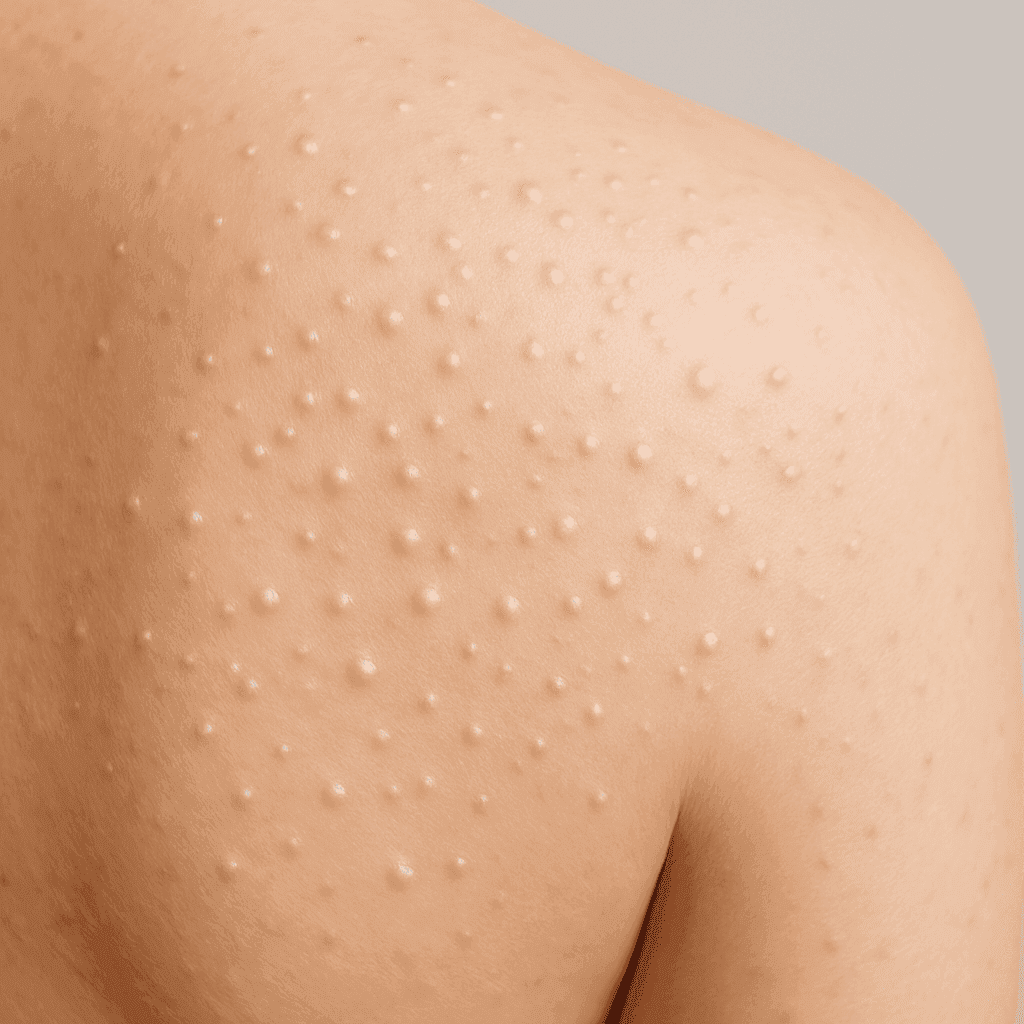
Closed comedones, commonly referred to as whiteheads, are a form of acne that appear as small, flesh-colored bumps beneath the skin's surface. These occur when hair follicles become clogged with oil and dead skin cells. Unlike open comedones, or blackheads, they do not have an opening to the skin surface, which explains their white appearance.
Causes of Closed Comedones
Several factors contribute to the development of closed comedones. Hormonal fluctuations, particularly during puberty, menstruation, or stress, can increase sebum production, leading to clogged pores. Additionally, certain skincare products and makeup containing oils and heavy ingredients can exacerbate the condition. Genetics also play a role, as individuals with a family history of acne may be more prone to developing closed comedones.
Closed Comedones vs. Open Comedones
While both closed and open comedones result from clogged pores, they differ in appearance and treatment. Open comedones, or blackheads, have a dark appearance due to oxidation of the exposed pore content. Closed comedones, however, remain trapped under the skin. This distinction is crucial, as it influences the choice of treatment strategies.
Treatment Options for Closed Comedones
Over-the-Counter Treatments
For those dealing with mild closed comedones, over-the-counter treatments can be effective. Products containing salicylic acid or benzoyl peroxide are popular choices, as they help exfoliate the skin and reduce oiliness. It's important to use these products consistently and as directed to see improvements over time.
Prescription Medications
In cases where over-the-counter solutions are insufficient, prescription medications may be necessary. Dermatologists might prescribe topical retinoids, which promote cell turnover and prevent clogging of pores. Oral medications, such as antibiotics or hormonal treatments, may also be considered for more severe cases.
Topical Treatments
Topical treatments specifically targeting acne can be beneficial. These include creams and gels that contain ingredients like adapalene, which is effective in reducing inflammation and preventing the formation of new comedones. Regular application is key to achieving desired results.
Exfoliation Methods
Exfoliation is a vital component of treating closed comedones. However, it must be approached with care to avoid skin irritation. Gentle exfoliants containing alpha hydroxy acids (AHAs) or beta hydroxy acids (BHAs) can help remove dead skin cells and unclog pores, but should be used according to instructions.
Natural and Home Remedies
Effective Home Remedies
Many individuals prefer natural remedies for treating closed comedones. Tea tree oil is a popular choice due to its antibacterial properties and ability to reduce inflammation. Aloe vera can also soothe irritated skin and promote healing.
Best Natural Ingredients
Incorporating natural ingredients into your skincare routine can help prevent and treat closed comedones. Ingredients like honey, known for its antimicrobial properties, and green tea, rich in antioxidants, can be beneficial. These can be used as spot treatments or incorporated into DIY masks.
DIY Face Masks
Homemade face masks can be a soothing and effective way to address closed comedones. A simple mask made from yogurt and oatmeal can gently exfoliate and hydrate the skin. Mixing turmeric with honey can also help reduce inflammation and prevent future breakouts.
Professional Treatments
Dermatologist-Recommended Procedures
When home treatments are insufficient, professional procedures may be necessary. Dermatologists can offer a range of solutions tailored to individual needs, ensuring safe and effective treatment.
Chemical Peels and Extractions
Chemical peels are a popular choice for treating closed comedones. They help remove the top layer of skin, promoting new cell growth and reducing pore blockage. Manual extraction by a professional can also be performed to safely remove comedones without damaging the skin.
Laser Treatments
For persistent cases, laser treatments may be recommended. These procedures target the deeper layers of the skin, reducing oil production and killing acne-causing bacteria. While effective, they require consultation with a dermatologist to determine suitability.
Prevention Tips
Skincare Routine Adjustments
Preventing closed comedones involves maintaining a consistent skincare routine. Regular cleansing with a gentle, non-comedogenic cleanser helps remove excess oil and dead skin cells. It is crucial to avoid harsh scrubs that can irritate the skin.
Lifestyle Changes
Certain lifestyle changes can significantly reduce the occurrence of closed comedones. Staying hydrated, managing stress, and getting adequate sleep are vital. Regular exercise can also improve circulation and promote healthier skin.
Dietary Considerations
Diet plays a role in skin health. Consuming a balanced diet rich in fruits, vegetables, and whole grains can support clear skin. Limiting dairy and high-glycemic foods may also help reduce the risk of developing closed comedones.
FAQs About Closed Comedones
What is the fastest way to get rid of closed comedones?
There is no instant fix for closed comedones, but consistent use of salicylic acid or retinoids can help speed up the process. Professional extraction by a dermatologist is another option.
Can closed comedones turn into acne?
Yes, if left untreated, closed comedones can become inflamed and develop into more severe forms of acne, such as pustules or cysts.
Are closed comedones caused by poor hygiene?
While hygiene plays a role, closed comedones are often due to factors like genetics, hormones, and skincare products. Maintaining a clean face can help but is not the sole factor.
How often should I exfoliate to prevent closed comedones?
Exfoliating 1-2 times a week with a gentle product is generally recommended to prevent closed comedones without causing irritation.
What ingredients should I look for in skincare products?
Look for products containing salicylic acid, benzoyl peroxide, or retinoids, as these can help clear and prevent closed comedones.
Can stress cause closed comedones?
Stress can increase hormone levels, leading to increased oil production and potential development of closed comedones.