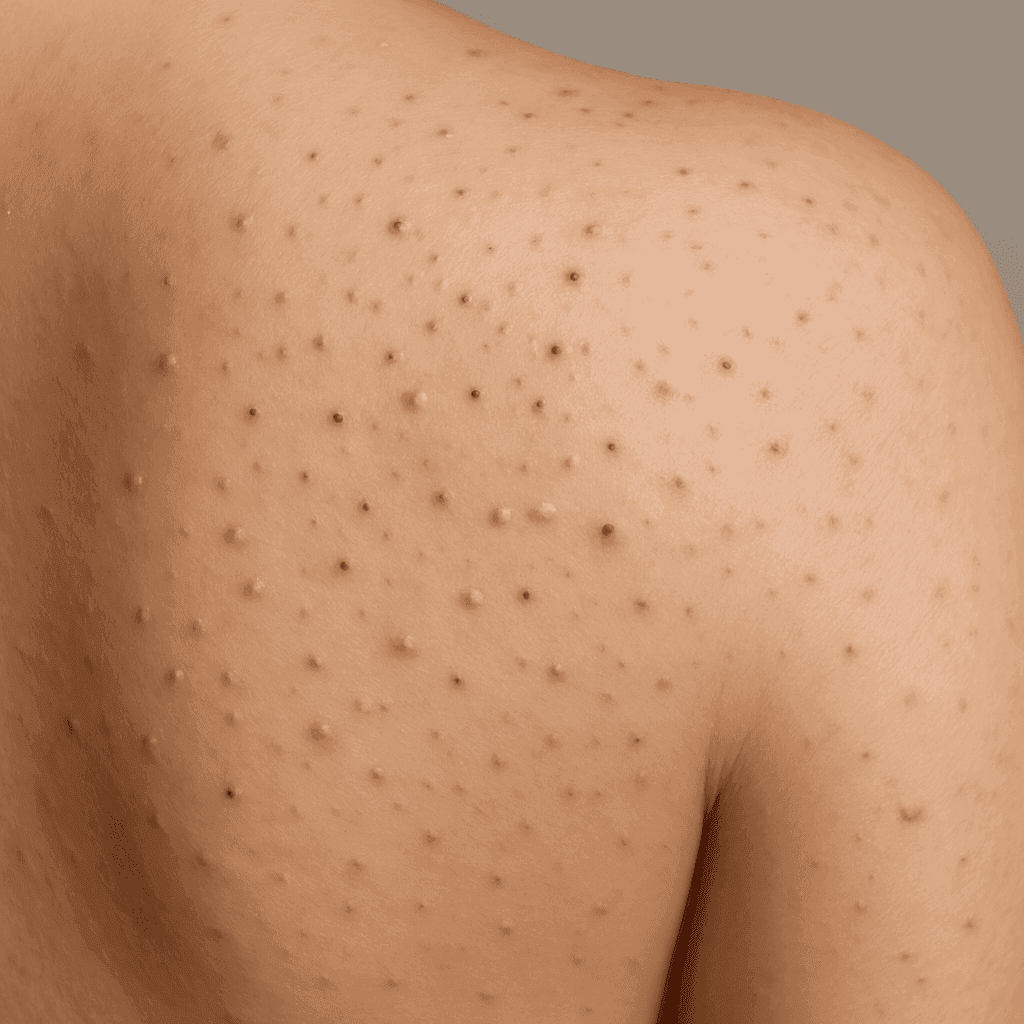
Comedonal Acne (Acne Comedonica) – Causes and Treatment
Understanding comedonal acne causes and treatment options.
Introduction
Comedonal acne, or acne comedonica, is a common skin condition characterized by the presence of blackheads and whiteheads. Unlike other forms of acne, comedonal acne does not involve the inflammation of deeper tissues, making it a distinct type. Understanding the causes and available treatment options for comedonal acne can help manage and prevent its occurrence. This article provides an in-depth analysis of comedonal acne, its causes, and effective treatments.
What is Comedonal Acne?
Comedonal acne is primarily identified by the presence of comedones, which are clogged hair follicles (pores) in the skin. These can manifest as open comedones, known as blackheads, and closed comedones, known as whiteheads. The main difference between comedonal acne and other types of acne, like cystic acne, is the absence of inflammation. While cystic acne involves swollen and painful cysts, comedonal acne is typically less severe but can still be distressing due to its persistence and cosmetic impact.
Causes of Comedonal Acne
The development of comedonal acne can often be attributed to a combination of genetic, hormonal, and environmental factors. Genetics play a significant role, as individuals with a family history of acne are more likely to experience comedonal acne. Hormonal changes, particularly during puberty, can increase oil production, leading to clogged pores. Environmental factors such as pollution and improper skincare routines can exacerbate the condition. Lifestyle choices, including diet, also influence the severity of comedonal acne, with high-glycemic foods being linked to increased breakouts.
Diagnosis of Comedonal Acne
Dermatologists diagnose comedonal acne through a combination of visual examination and patient history. The presence of non-inflammatory comedones is the primary indicator. Dermatologists will look for common signs such as blackheads and whiteheads, often concentrated on the forehead, nose, and chin. In some cases, a dermatologist may use a dermatoscope to better visualize the comedones. It's important to consult with a healthcare professional for accurate diagnosis and to rule out other skin conditions that may mimic acne.
Treatment Options for Comedonal Acne
Over-the-Counter Treatments
Over-the-counter (OTC) treatments for comedonal acne often include topical formulations containing benzoyl peroxide, salicylic acid, or alpha hydroxy acids (AHAs). These ingredients help to exfoliate the skin and keep pores clear. When choosing an OTC product, consider your skin type and any potential sensitivities. It is advisable to start with a lower concentration to assess tolerance.
Prescription Treatments
For more persistent cases, prescription treatments may be necessary. Topical retinoids, such as tretinoin or adapalene, are commonly prescribed to promote cell turnover and prevent clogged pores. In some cases, oral medications like antibiotics or hormone regulators may be recommended, especially if hormonal imbalances are suspected.
Natural and Home Remedies
Some individuals find relief using natural remedies, such as tea tree oil or green tea extracts, known for their anti-microbial properties. However, it's crucial to exercise caution with home treatments, as some natural ingredients can irritate the skin. Always conduct a patch test before applying any new treatment to your face.
Skincare Routine for Comedonal Acne
An effective skincare routine is essential for managing comedonal acne. Begin with a gentle cleanser to remove excess oil and debris. Incorporate products containing salicylic acid or glycolic acid to help exfoliate and prevent pore blockages. Moisturizing is crucial, even for oily skin, to maintain the skin's barrier function. Opt for non-comedogenic moisturizers to avoid further clogging pores. Avoid harsh scrubs and excessive washing as these can irritate the skin and exacerbate acne.
Prevention of Comedonal Acne
Preventing comedonal acne involves adopting a holistic approach to skincare and lifestyle. Regularly cleansing the skin to remove impurities and using non-comedogenic products can significantly reduce the risk of clogged pores. A balanced diet rich in fruits, vegetables, and whole grains may also help reduce breakouts. Long-term strategies include managing stress and avoiding touching the face frequently, which can transfer oils and bacteria to the skin.
Comedonal Acne in Different Age Groups
Teenagers
Comedonal acne is particularly common among teenagers due to hormonal changes during puberty that increase oil production. Educating teenagers on proper skincare and the importance of not picking at their skin can prevent further complications.
Adults
Adult comedonal acne can be influenced by factors such as stress, hormonal changes, and lifestyle. Adults may require a different treatment approach, often focusing on maintaining a consistent skincare routine and possibly integrating lifestyle changes to manage stress.
Myths and Facts about Comedonal Acne
Many myths surround comedonal acne, such as the belief that it results from poor hygiene or that sun exposure can cure acne. In reality, excessive cleaning can aggravate the skin, and sun exposure can lead to long-term skin damage. Understanding these myths can help individuals make informed decisions about their skincare and treatment options.
FAQ
What is the best way to treat comedonal acne?
Treatment varies depending on severity, but a combination of OTC products with salicylic acid and prescription retinoids can be effective.
Can diet affect comedonal acne?
Yes, diet can influence acne severity. High-glycemic foods may exacerbate acne in some individuals.
Are natural remedies effective for comedonal acne?
Some natural remedies, like tea tree oil, may be beneficial, but results can vary. It's important to test for skin sensitivity first.
How long does it take to see improvement with treatment?
Improvements can be seen in a few weeks, but it may take several months for significant changes. Consistency is key.
Is comedonal acne hereditary?
Genetics can play a role in the development of comedonal acne, with family history being a potential factor.
Can makeup worsen comedonal acne?
Using non-comedogenic makeup and ensuring proper removal can help minimize the risk of worsening acne.