Comedonal Acne: Effective Treatment Options
Explore treatments and management tips for comedonal acne.
Introduction
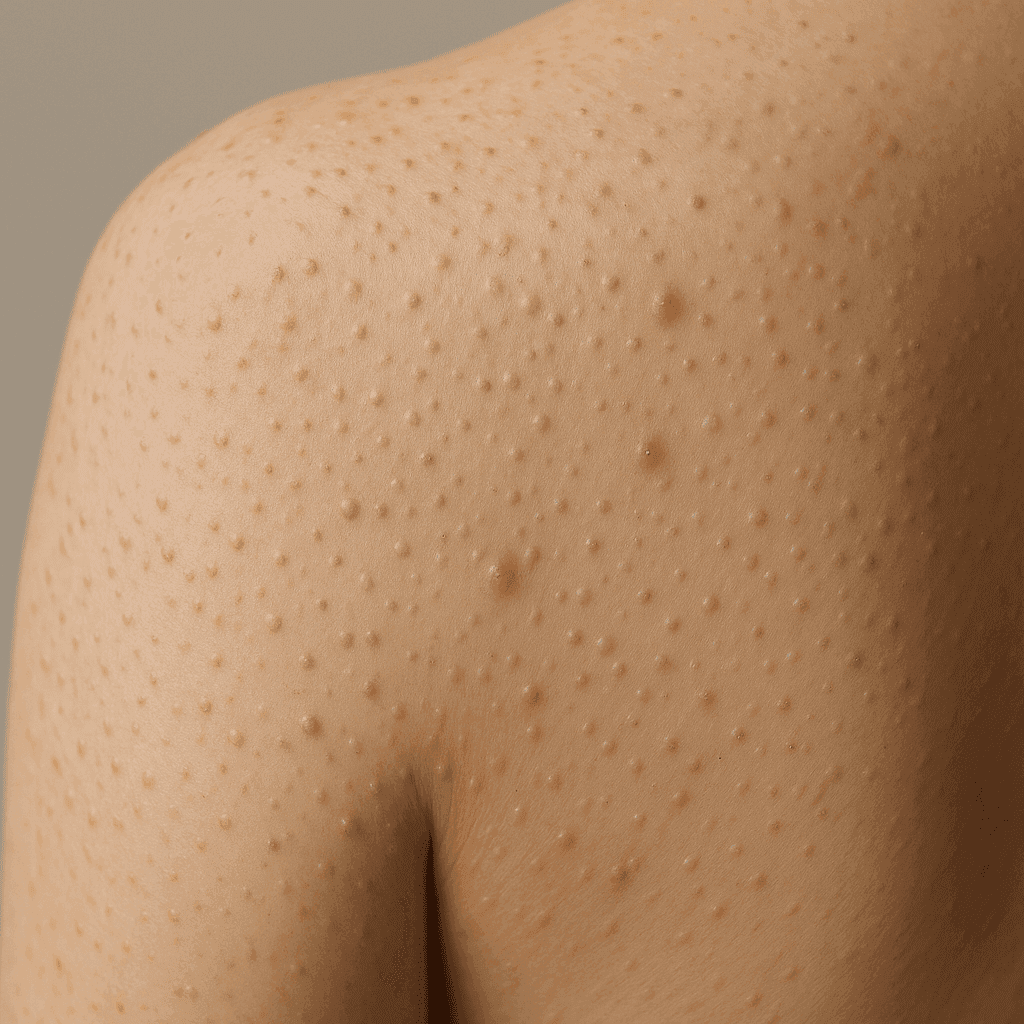
Comedonal acne is a common form of acne characterized by the presence of blackheads and whiteheads. Unlike inflammatory acne, comedonal acne does not typically involve red, swollen pimples. Understanding the various treatment options available is crucial for effectively managing this condition. While some may find relief through over-the-counter products, others may require prescription treatments or professional procedures. This article delves into these options to help guide those affected toward clearer skin.
What Causes Comedonal Acne?
Hormonal Factors
Hormonal changes, particularly those occurring during puberty, can lead to an increase in oil production, contributing to comedonal acne. Hormones such as androgens can increase the size of oil glands and the amount of oil they produce.
Genetic Predisposition
Genetics also play a significant role in the development of comedonal acne. If your parents had acne, you are more likely to experience it as well. This genetic predisposition can affect the size of your sebaceous glands and the skin's response to hormonal changes.
Environmental Influences
Exposure to certain environmental factors, such as pollution and high humidity, can exacerbate comedonal acne. These elements can clog pores and increase the likelihood of blackheads and whiteheads forming.
Comedonal Acne vs. Other Types of Acne
Differences Between Comedonal and Cystic Acne
Comedonal acne primarily consists of blackheads and whiteheads, while cystic acne involves deeper, painful cysts. Cystic acne is more likely to cause scarring and usually requires more aggressive treatment.
Identifying Comedonal Acne
Comedonal acne is identified by the presence of non-inflamed lesions. Blackheads appear as small dark spots, while whiteheads remain skin-colored. Proper identification is essential for selecting the most appropriate treatment plan.
Over-the-Counter Treatments
Best OTC Products
Over-the-counter treatments for comedonal acne often include ingredients such as salicylic acid, benzoyl peroxide, and alpha hydroxy acids. These ingredients help to exfoliate the skin and unclog pores, reducing the formation of blackheads and whiteheads.
How to Choose Non-Comedogenic Products
When selecting skincare products, it's important to choose non-comedogenic options. These products are specifically formulated to not clog pores, thus reducing the risk of comedonal acne. Look for labels that state 'oil-free' or 'won't clog pores'.
Prescription Treatments
Topical Retinoids
Topical retinoids, such as tretinoin and adapalene, are commonly prescribed to treat comedonal acne. These medications promote cell turnover and prevent the plugging of hair follicles, which helps to clear existing acne and prevent new lesions from forming.
Oral Medications
In some cases, oral medications such as hormonal treatments or antibiotics may be required. These are typically considered when topical treatments alone are insufficient. However, they should be used under the supervision of a dermatologist.
Antibiotic Options
Topical antibiotics are less commonly used for comedonal acne but may be prescribed in combination with other treatments to reduce bacterial growth and inflammation.
Natural and Home Remedies
Effective Home Remedies
Home remedies such as tea tree oil, green tea extract, and aloe vera can provide mild anti-inflammatory effects and help reduce comedonal acne. These natural treatments can be beneficial when used as part of a comprehensive skincare routine.
Lifestyle and Dietary Adjustments
Dietary changes, such as reducing dairy intake and avoiding high-glycemic foods, can sometimes help manage acne. Moreover, maintaining a consistent skincare routine and managing stress through relaxation techniques can support acne management.
Skincare Routine for Comedonal Acne
Daily Skincare Tips
A good skincare routine for comedonal acne should include gentle cleansing, exfoliation, and moisturizing. Use a mild cleanser twice a day to remove excess oil and impurities without irritating the skin.
Ingredients to Look For and Avoid
Look for products containing salicylic acid and niacinamide, which can help control oil production and reduce pore size. Avoid heavy, oily products that can clog pores and exacerbate acne.
Professional Treatments
Chemical Peels
Chemical peels can help improve the appearance of comedonal acne by removing the top layer of dead skin cells and promoting regeneration. This treatment should be performed by a qualified professional to ensure safety and effectiveness.
Microdermabrasion
This non-invasive procedure involves exfoliating the skin to unclog pores and improve texture. Microdermabrasion can be an effective option for those with comedonal acne, providing smoother skin with minimal downtime.
Laser Therapy
Laser treatments target the sebaceous glands, reducing oil production and minimizing acne formation. This option is often considered for more persistent cases and should be discussed with a dermatologist.
Preventing Comedonal Acne
Long-Term Management Strategies
Consistent use of effective skincare products and treatments is key to preventing comedonal acne. Regular dermatologist visits can help monitor progress and adjust treatments as needed.
Role of Diet and Lifestyle
A balanced diet, regular exercise, and stress management play crucial roles in maintaining clear skin. Avoiding known triggers and adopting a healthy lifestyle can significantly reduce the likelihood of flare-ups.
Frequently Asked Questions
What is the fastest way to clear comedonal acne?
The fastest way to clear comedonal acne often involves a combination of treatments including topical retinoids and chemical peels. However, results can vary, and it's important to consult a dermatologist to determine the best approach.
Can diet affect comedonal acne?
Yes, diet can influence acne. Reducing the intake of dairy and high-glycemic foods may help improve acne symptoms for some individuals.
Are there any specific skincare products to avoid?
Avoid heavy, oily skincare products that can clog pores. Opt for non-comedogenic and oil-free formulations instead.
How long does it take to see results from treatment?
It can take several weeks to months to see noticeable improvements in comedonal acne with consistent treatment. Patience and adherence to prescribed routines are essential.
Is comedonal acne common in adults?
While more prevalent during adolescence, comedonal acne can also affect adults, often due to hormonal changes or lifestyle factors.
Can stress worsen comedonal acne?
Yes, stress can exacerbate acne by increasing oil production and inflammation. Managing stress through relaxation techniques can help improve skin health.