Comedones (blackheads and whiteheads) – causes and treatment
Explore causes and treatments for comedones.
Introduction
Comedones, commonly known as blackheads and whiteheads, are a prevalent skin concern. They form when pores become clogged with oil, dead skin cells, and sometimes bacteria. Understanding the underlying causes and available treatments is crucial for maintaining clear skin and preventing future outbreaks.
What are Comedones?
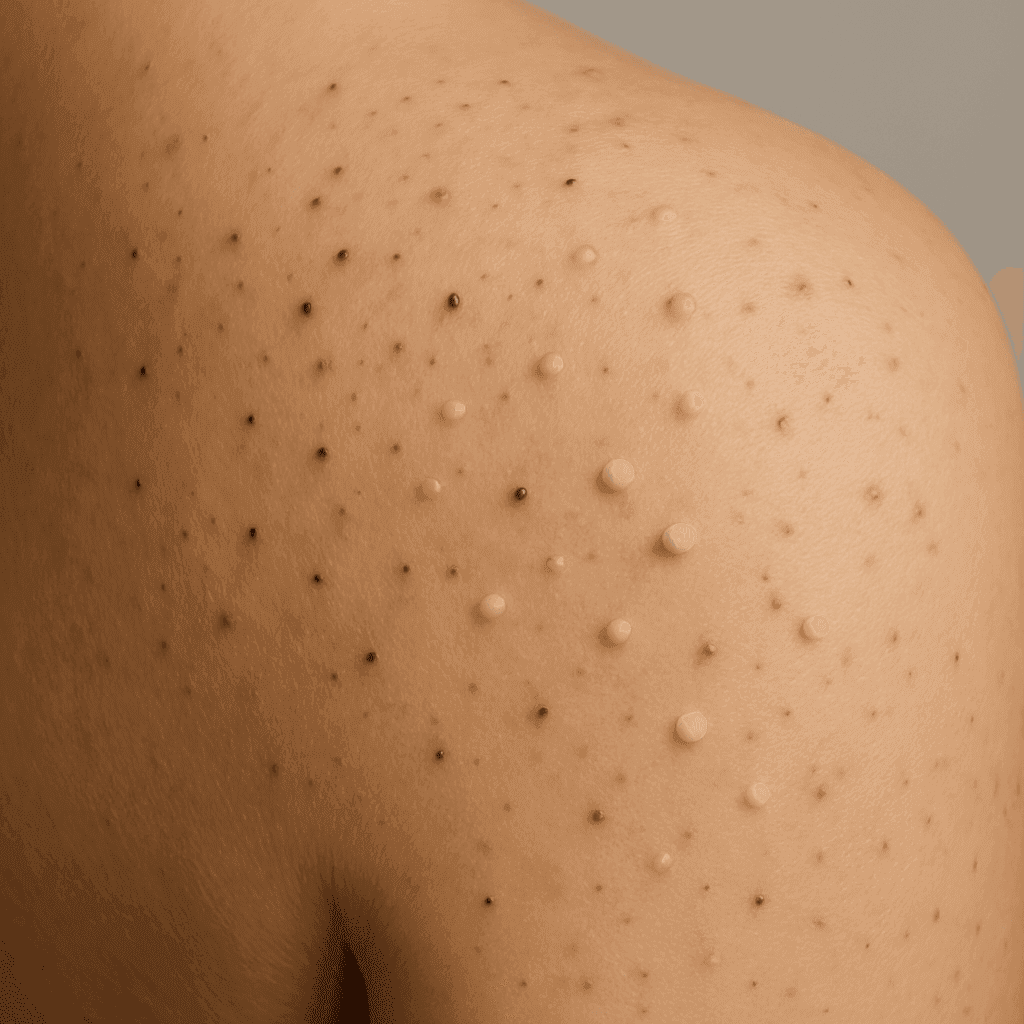
Comedones are a type of acne lesion that can appear on the face and other parts of the body. They are divided into two main types: blackheads and whiteheads. Blackheads are open comedones that appear black due to the oxidation of the trapped material. Whiteheads are closed comedones with a white or flesh-colored appearance as the pore remains closed.
Causes of Comedones
Comedones develop primarily due to excess oil production by the sebaceous glands. Hormonal fluctuations, particularly during puberty, pregnancy, or menstrual cycles, can also exacerbate oil production. Poor skincare habits, such as not cleansing regularly or using comedogenic products, can contribute to clogged pores.
Additional Factors
- Dietary factors: High-glycemic diets may increase comedone formation.
- Environmental influences: Pollution and humidity can worsen skin conditions.
Differences Between Blackheads and Whiteheads
Physical appearance is the most noticeable difference: blackheads are dark and visible, while whiteheads are small and flesh-toned. Formation process differs as well; blackheads form when the pore is open, whereas whiteheads form under a closed pore. Both can impact skin health if not treated, potentially leading to more severe forms of acne.
Treatment Options for Comedones
Over-the-Counter Treatments
- Salicylic acid helps exfoliate the skin and unclog pores.
- Benzoyl peroxide reduces bacteria and oil.
- Retinoids promote cell turnover and prevent clogged pores.
Prescription Treatments
For stubborn cases, dermatologists may prescribe:
- Topical antibiotics to reduce inflammation.
- Oral medications like isotretinoin in severe cases.
Professional Treatments
- Chemical peels help remove dead skin layers.
- Microdermabrasion exfoliates the skin surface.
- Laser therapy targets deeper skin layers to reduce oil production.
Home Remedies and Natural Treatments
Several natural treatments can be effective for managing comedones. Tea tree oil is known for its antimicrobial properties, while clay masks can absorb excess oil. A mixture of honey and cinnamon may help reduce inflammation and bacteria.
Considerations
Before trying home remedies, consider:
- Skin sensitivity
- Allergies
- Patch testing products
Preventing Comedones
A consistent skincare routine is key to prevention. Use non-comedogenic products and cleanse the skin twice daily. Lifestyle changes, like reducing stress and getting enough sleep, can also help. Dietary adjustments, such as reducing sugar intake, may minimize breakouts.
Dermatologist-Recommended Products
- Cleansers with salicylic acid or glycolic acid.
- Exfoliators that include mild alpha-hydroxy acids.
- Moisturizers that are oil-free and non-comedogenic.
FAQs About Comedones
What is the best way to prevent comedones?
Regular cleansing and the use of non-comedogenic products are crucial.
Can diet affect the formation of comedones?
Yes, high-glycemic foods can increase oil production, leading to comedones.
Are there any risks associated with comedone extraction?
Improper extraction can cause scarring and infection; professional treatment is safer.
How often should I exfoliate to prevent comedones?
Exfoliate 1-2 times per week, depending on your skin type.
Can stress contribute to the development of comedones?
Stress increases hormone levels that can lead to more oil production.
Is it safe to use home remedies for treating comedones?
They can be safe with proper patch testing, but consult a dermatologist if unsure.