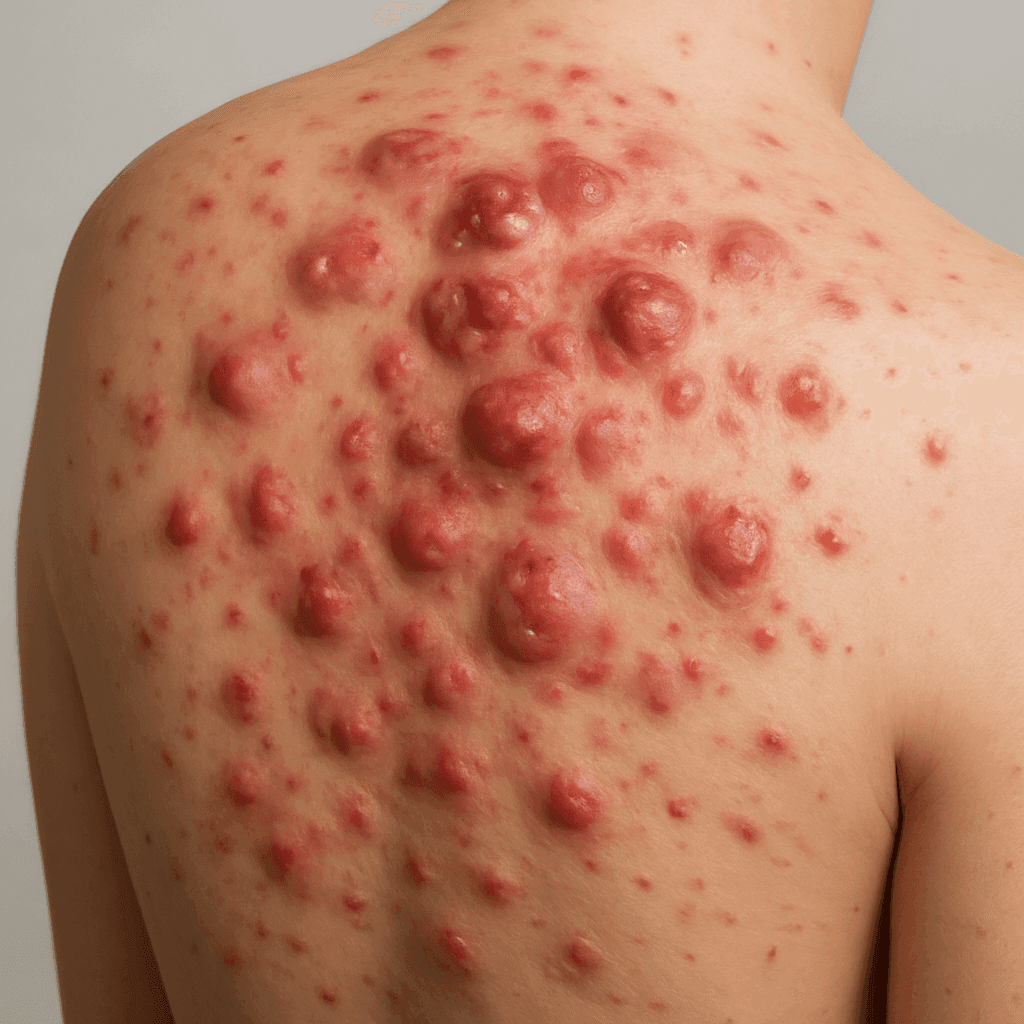
Cystic Acne – Severe Inflammatory Acne
Understanding causes and treatments for cystic acne.
Introduction
Cystic acne is a severe form of acne characterized by large, inflamed cysts that can cause significant discomfort and potential scarring. Understanding this condition is crucial for effective management and treatment. This article explores various aspects of cystic acne, including its causes, symptoms, and treatment options, as well as prevention strategies and the importance of professional care.
What is Cystic Acne?
Cystic acne is a type of inflammatory acne that occurs when oil and skin cells clog hair follicles, leading to the formation of large, deep, and painful cysts beneath the skin's surface. Unlike common acne, which consists of whiteheads and blackheads, cystic acne involves severe inflammation and is often resistant to typical over-the-counter treatments. Understanding the difference between cystic acne and other forms of acne can help in choosing the correct management approach.
Causes of Cystic Acne
Hormonal Factors
Hormonal fluctuations, particularly during puberty, pregnancy, and menstruation, can increase oil production, leading to cystic acne. Hormones such as androgens can exacerbate this issue by enlarging sebaceous glands and boosting sebum production.
Genetic Predisposition
Genetics plays a significant role in the likelihood of developing cystic acne. Individuals with a family history of severe acne are more prone to experiencing similar skin issues.
Lifestyle and Dietary Influences
Certain lifestyle habits and dietary choices can contribute to the development of cystic acne. High-glycemic foods, dairy products, and poor skincare routines are often associated with increased acne severity.
Symptoms and Diagnosis
Cystic acne is characterized by painful, red cysts that are embedded deep within the skin. These lesions can persist for weeks or months and often lead to scarring if not properly treated. Dermatologists typically diagnose cystic acne based on a physical examination and the patient's medical history. In some cases, additional tests may be required to rule out underlying conditions.
Treatment Options for Cystic Acne
Medical Treatments
Prescription medications such as oral antibiotics, retinoids, and hormonal treatments are commonly used to manage cystic acne. In severe cases, dermatologists may recommend corticosteroid injections to reduce inflammation rapidly.
Skincare Products
Choosing the right over-the-counter products can aid in managing cystic acne. Look for ingredients like salicylic acid and benzoyl peroxide, which help exfoliate the skin and reduce bacteria.
Home Remedies and Natural Treatments
Several home remedies may reduce the symptoms of cystic acne. Applying tea tree oil or aloe vera can soothe inflamed skin, while dietary supplements like zinc and omega-3 fatty acids may support skin health.
Preventing Cystic Acne
Effective prevention of cystic acne involves maintaining a consistent skincare routine that includes cleansing, exfoliating, and moisturizing. Avoiding harsh products and adopting a balanced diet rich in whole foods can also minimize flare-ups. Lifestyle changes such as reducing stress and avoiding smoking contribute to overall skin health.
Cystic Acne and Scarring
Cystic acne often leads to scarring due to the depth and severity of the lesions. Treatment options for acne scars include laser therapy, chemical peels, and microneedling, each designed to improve skin texture and appearance by promoting collagen production.
When to See a Dermatologist
If over-the-counter treatments and home remedies fail to improve cystic acne, it is advisable to consult a dermatologist. Professional evaluation can help tailor a treatment plan that addresses specific needs. During an appointment, dermatologists may perform skin assessments and prescribe medications or therapies to effectively manage the condition.
FAQs
How long does it take for cystic acne to heal?
Cystic acne can take several weeks to months to heal, depending on the severity and treatment methods used.
Can diet affect cystic acne?
Yes, diets high in sugar and dairy may exacerbate cystic acne in some individuals. A balanced diet can help manage symptoms.
Is cystic acne contagious?
No, cystic acne is not contagious. It is caused by internal factors such as hormones and genetics.
Are there any effective over-the-counter treatments for cystic acne?
While over-the-counter treatments can help, severe cases often require prescription medications for effective management.
Can stress cause cystic acne?
Stress can trigger hormonal changes that may worsen cystic acne. Managing stress is an important aspect of treatment.
What are the best ways to prevent cystic acne from recurring?
Consistent skincare, a healthy diet, stress reduction, and regular consultations with a dermatologist can help prevent recurrence.