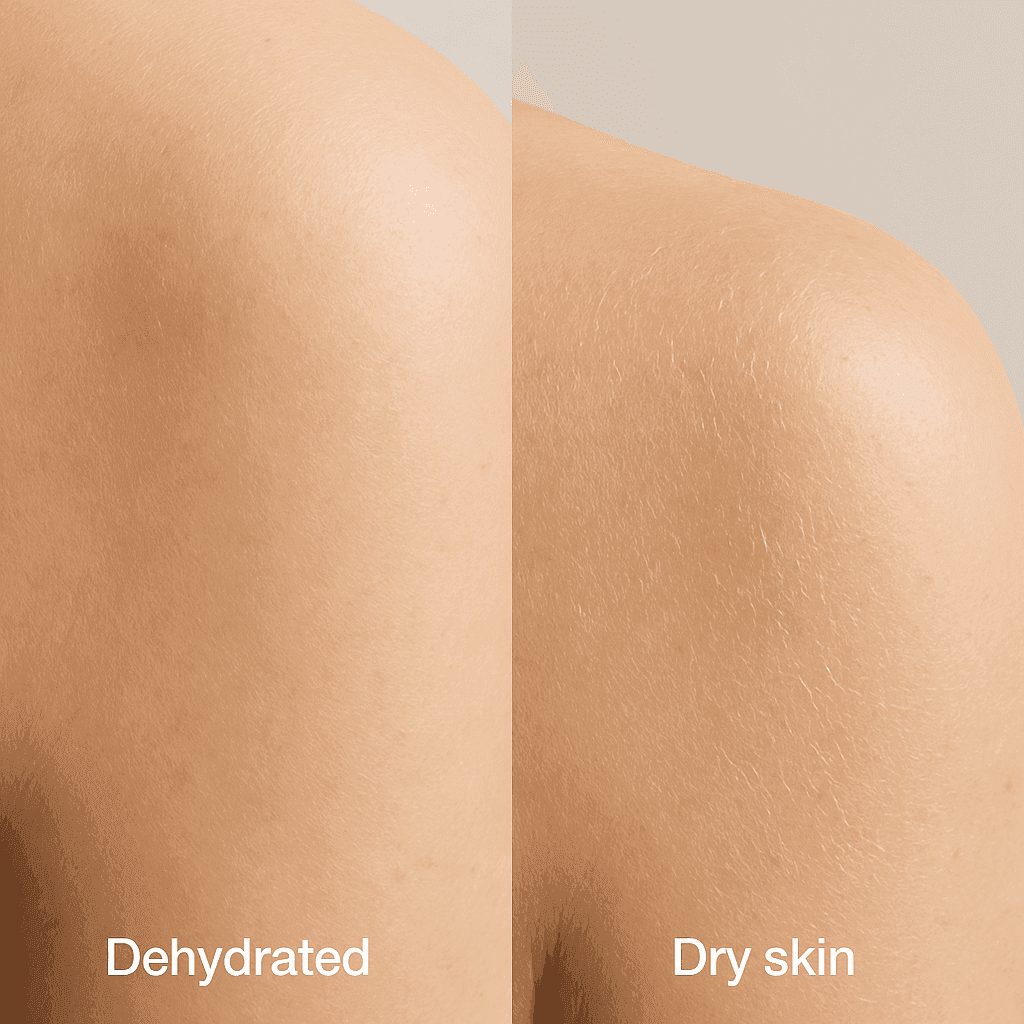
Dehydrated Skin vs Dry Skin – What is the Difference?
Understand dehydrated vs dry skin differences.
Introduction
In the realm of skincare, understanding the nuanced differences between dehydrated skin and dry skin is essential for effective treatment and maintenance. While these terms are often used interchangeably, they refer to distinct conditions that require different approaches. Dehydrated skin lacks water, while dry skin lacks oil. Both conditions can affect the skin's appearance and comfort, making it crucial to identify and address them correctly.
What is Dehydrated Skin?
Dehydrated skin is a temporary condition often caused by external factors rather than a permanent skin type. It occurs when the skin lacks sufficient water content, leading to symptoms such as dullness, fine lines, and an overall tight feeling. Unlike dry skin, which is often flaky, dehydrated skin can still produce oil, leading to an oily yet moisture-lacking appearance. Common signs include increased sensitivity, redness, and a feeling of tightness.
What is Dry Skin?
Dry skin, on the other hand, is a skin type where the skin lacks sufficient oil or sebum. This condition can lead to flaky, itchy patches and a rough texture. Often associated with genetics, dry skin can also be exacerbated by environmental factors such as cold weather and low humidity. Symptoms typically include redness, irritation, and a tight, uncomfortable feeling. Unlike dehydrated skin, dry skin is not typically associated with oiliness.
Causes of Dehydrated Skin
Dehydrated skin is primarily influenced by environmental factors like cold weather, wind, and sun exposure. Lifestyle choices such as inadequate water intake, excessive alcohol consumption, and a diet lacking in essential nutrients can also contribute. Additionally, improper skincare routines, such as over-exfoliating or using harsh products, can strip the skin of its natural moisture, leading to dehydration.
Causes of Dry Skin
Dry skin is often genetically inherited but can be aggravated by environmental factors like cold weather, low humidity, and excessive use of hot water. Certain medical conditions such as eczema and psoriasis can also lead to dry skin. Moreover, aging reduces the skin's ability to retain moisture, leading to dryness. It's important to differentiate between temporary dryness caused by external factors and chronic conditions requiring medical attention.
Diagnosing Dehydrated Skin vs Dry Skin
Identifying whether your skin is dehydrated or dry involves observing its characteristics and behaviors. Dehydrated skin may appear oily yet feel tight and sensitive, whereas dry skin often feels rough and flaky. If uncertain, consulting with a dermatologist can provide clarity and guidance. Professional analysis can differentiate between these conditions and suggest appropriate treatments.
Treatment Options for Dehydrated Skin
To treat dehydrated skin, focus on increasing water content through hydrating products containing ingredients like hyaluronic acid and glycerin. Avoid over-exfoliating and ensure a balanced diet rich in water and essential nutrients. Lifestyle adjustments such as increasing water intake and reducing caffeine and alcohol consumption can also help alleviate symptoms.
Treatment Options for Dry Skin
Dry skin benefits from rich moisturizers that restore the skin's lipid barrier. Ingredients like ceramides, fatty acids, and shea butter are particularly effective. Additionally, using a humidifier and avoiding long, hot showers can prevent the skin from losing its natural oils. In severe cases, dermatologists may recommend topical treatments to manage underlying conditions.
Prevention Tips for Both Conditions
Preventing both dehydrated and dry skin involves maintaining a consistent skincare routine tailored to your skin's needs. Use gentle, hydrating cleansers and avoid products with harsh chemicals. Protect your skin from extreme weather conditions with appropriate clothing and sunscreen. Incorporate a balanced diet and adequate hydration into your daily routine to support overall skin health.
Conclusion
Understanding the difference between dehydrated and dry skin is key to selecting the right skincare strategy. Each condition requires specific treatments to restore the skin's natural balance and appearance. By identifying your skin's needs and implementing tailored solutions, you can achieve healthier, more resilient skin. Remember, consulting with a dermatologist can provide personalized advice and treatment options.
FAQs
What is the main difference between dehydrated skin and dry skin?
Dehydrated skin lacks water, while dry skin lacks oil.
Can dehydrated skin be oily?
Yes, dehydrated skin can still produce oil, appearing oily yet water-deficient.
How long does it take to rehydrate skin?
Rehydrating skin may take a few days to weeks, depending on the severity and care routine.
What are the best ingredients for treating dry skin?
Look for products with ceramides, fatty acids, and shea butter.
Can drinking water help with dehydrated skin?
Yes, adequate water intake can aid in replenishing skin hydration.
When should I see a dermatologist for my skin condition?
If symptoms persist despite home care, or if severe dryness or dehydration occurs, consult a dermatologist.