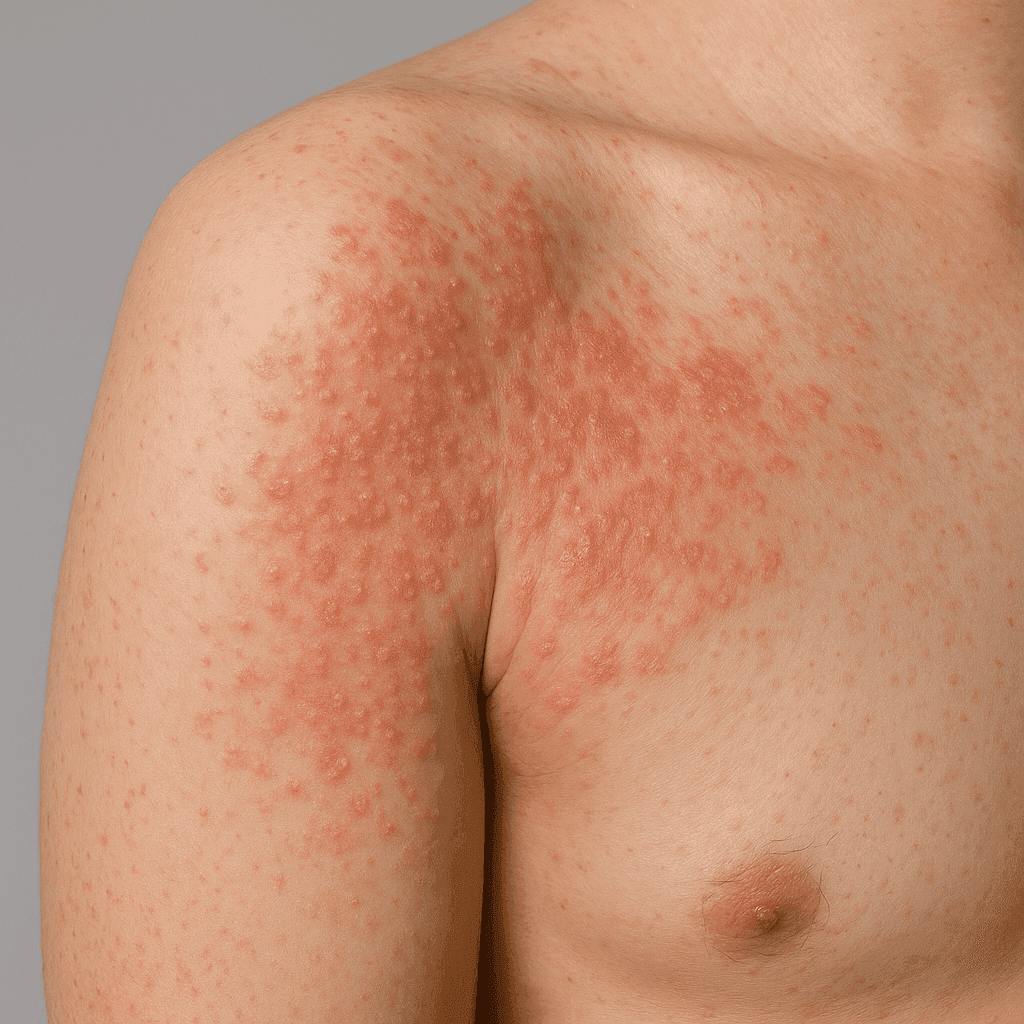
Dermatitis contacta (contact eczema) - the most common allergens
Learn about allergens that cause contact eczema.
What is contact dermatitis?
Contact dermatitis, also known as contact eczema, is an inflammatory skin reaction caused by contact with irritants or allergens. It manifests itself as redness, itching, and blisters on the skin. Contact dermatitis can be caused by both allergens and irritants that damage the skin's protective barrier.
What are the causes of contact dermatitis?
Contact dermatitis can be caused by a variety of factors, including allergens and irritants. Allergens are chemicals that cause an allergic reaction in people who are sensitive to them. These are often metals, cosmetics, industrial chemicals, and certain plants. Irritants can damage the skin directly, leading to irritation and inflammation.
Allergens causing contact dermatitis
The most common allergens causing contact dermatitis are metals such as nickel, chromium, and cobalt. They are commonly used in jewelry, belt buckles, and some cosmetic products. Other allergens include cosmetic ingredients, preservatives, and fragrances.
Irritants and contact dermatitis
Irritants such as detergents, solvents, and certain plants can cause contact dermatitis even in non-allergic individuals. Prolonged contact of these substances with the skin leads to damage to its protective barrier, which increases the risk of an inflammatory reaction. Therefore, it is important to avoid excessive contact with potential irritants.
Symptoms of contact dermatitis
Symptoms of contact dermatitis include redness, itching, swelling, and blisters on the skin. These symptoms may appear several hours after contact with an allergen or irritant and persist for several days. In some cases, the skin may peel or crack, causing additional discomfort.
How to recognize contact dermatitis?
The diagnosis of contact dermatitis is based on observation of symptoms and history of contact with potential allergens or irritants. People with suspected contact dermatitis should pay attention to skin changes that occur after using new cosmetics, jewelry, or chemical products.
The most common allergens causing contact dermatitis
Heavy metals
Metals such as nickel and chromium are among the most common skin allergens. They are found in jewelry, buckles, and some medical devices. People who are allergic to these metals should avoid contact with them in their daily lives.
Cosmetics and personal care products
Many ingredients in cosmetics can cause allergic reactions, including preservatives, dyes, and fragrances. People with contact dermatitis should choose products labeled as hypoallergenic and test new cosmetics on a small area of skin before regular use.
Industrial chemicals
Chemicals used in industry, such as solvents and adhesives, can be strong irritants and allergens. Industrial workers should use personal protective equipment, such as gloves and protective clothing, to minimize the risk of skin contact.
Plants and pollen
Certain plants, such as poison ivy, can cause contact dermatitis. Plant pollen can also be an allergen, especially for people with atopic dermatitis. It is important to avoid contact with these plants and pollens, especially during their pollen season.
Diagnosis of contact dermatitis
Allergy tests
Allergy tests, such as patch tests, are used to identify allergens that cause contact dermatitis. They involve applying small amounts of various allergens to the skin and then observing the skin's reaction. The results of these tests help determine which substances should be avoided.
Dermatological examinations
Dermatological examinations may include a clinical assessment of the skin and a history of exposure to potential allergens and irritants. Dermatologists may recommend further tests or therapies depending on the severity of symptoms and the results of allergy tests.
Treatment and prevention of contact dermatitis
Pharmacological treatment
Treatment for contact dermatitis often involves the use of topical corticosteroids, which help reduce inflammation and itching. In some cases, oral antihistamines or immunosuppressive medications may be necessary.
Home remedies to relieve symptoms
Home remedies such as cold compresses and moisturizing creams can help relieve the symptoms of contact dermatitis. Avoiding hot baths and irritating soaps is also recommended to prevent the condition from worsening.
How to avoid contact dermatitis?
Prevention includes avoiding known allergens and irritants. People with contact dermatitis should wear protective clothing and avoid cosmetics containing potential allergens. Regular use of moisturizing creams helps strengthen the skin's protective barrier.
When to see a doctor?
If the symptoms of contact dermatitis persist despite avoiding allergens and using topical medications, it may be necessary to consult a dermatologist. A specialist can perform further tests and recommend appropriate treatment tailored to the individual needs of the patient.
Summary
Contact dermatitis is a common skin problem caused by contact with allergens or irritants. Identifying and avoiding these factors is key to preventing eczema flare-ups. Treatment includes both pharmacological remedies and home remedies to relieve symptoms.
FAQs about contact eczema
Is contact dermatitis contagious?
No, contact dermatitis is not contagious. It is an allergic or irritant reaction that only affects the person exposed to the trigger.
How long does contact dermatitis treatment take?
The duration of treatment for contact dermatitis depends on the severity of the symptoms and the effectiveness of allergen avoidance. Symptoms may resolve within a few days to a few weeks.
Can contact dermatitis be completely cured?
Although contact dermatitis can be controlled by avoiding allergens and using appropriate treatment, it is not always possible to completely cure it, especially with continued exposure to the triggering factors.