Dermographism: When Your Skin Writes Back
Understanding dermographism and its management.
Introduction
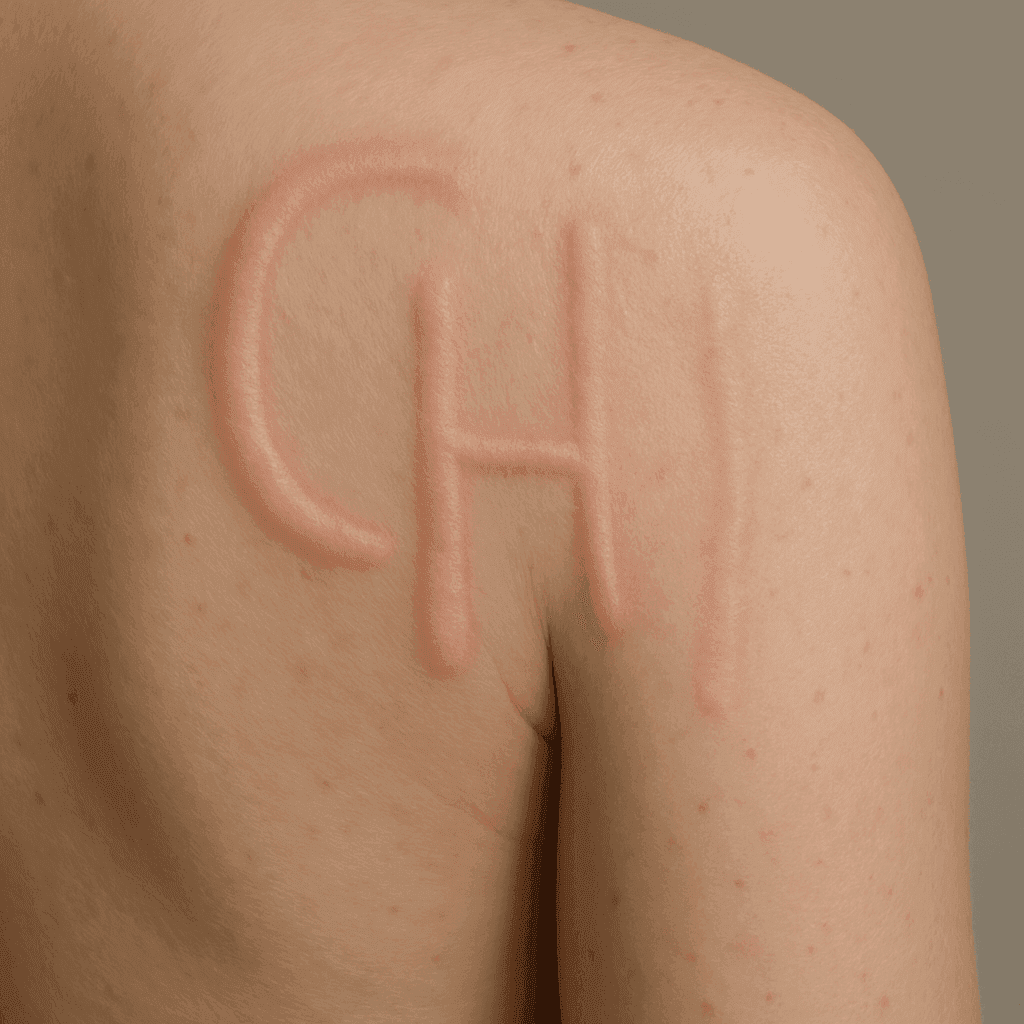
Dermographism, also known as skin writing, is a condition where slight pressure on the skin results in raised, red lines. This intriguing phenomenon affects a small percentage of the population, yet it can have a significant impact on daily life. Understanding dermographism is crucial for those affected, as well as healthcare providers, to manage the condition effectively and improve quality of life.
What is Dermographism?
Dermographism is a form of physical urticaria characterized by the skin's exaggerated response to pressure. This response can manifest as raised welts that appear minutes after the skin is scratched or pressed. Types of Dermographism include simple dermographism, which is generally harmless, and symptomatic dermographism, where the reaction is more severe and accompanied by itching or discomfort.
Causes of Dermographism
Genetic Factors: Although the exact cause of dermographism is not fully understood, genetics may play a role. Some individuals are predisposed to develop skin sensitivities based on their genetic makeup.
Environmental Triggers: Factors such as temperature changes, friction from clothing, or even emotional stress can trigger dermographism. Identifying and minimizing exposure to these triggers is essential in managing the condition.
Role of Stress and Emotional Factors: Emotional stress can exacerbate symptoms of dermographism, leading to more frequent or severe reactions. Stress management techniques, such as deep breathing or mindfulness, may help reduce flare-ups.
Symptoms of Dermographism
Common symptoms include the appearance of raised, red lines or welts on the skin, often accompanied by itching. These symptoms can be triggered by minimal pressure or scratching and typically resolve within 30 minutes to a few hours. How to Identify Dermographism: A simple test involves lightly scratching the skin with a blunt object and observing the reaction. However, a healthcare provider should confirm the diagnosis.
Diagnosis of Dermographism
Medical History and Physical Examination: A dermatologist will typically review the patient's medical history and perform a physical examination to observe the skin's reaction to pressure or scratching.
Diagnostic Tests and Procedures: While specialized tests are rarely needed, in some cases, a skin scratch test may be conducted to provoke and evaluate the skin's response.
Treatment Options for Dermographism
Over-the-Counter Medications: Antihistamines are commonly used to relieve symptoms by blocking the effects of histamine, a compound involved in the body's allergic responses.
Prescription Treatments: In more severe cases, a dermatologist may prescribe stronger medications to manage symptoms.
Natural and Home Remedies: Some individuals find relief using natural remedies such as aloe vera gel, which can soothe irritated skin, or oatmeal baths to reduce itching.
Managing Dermographism
Lifestyle Adjustments: Wearing loose-fitting clothing and using gentle skin care products can help minimize irritation. It is also advisable to avoid known triggers, such as extreme temperatures or stress.
Skin Care Tips and Best Practices: Regularly moisturizing the skin can help maintain its barrier function, reducing the likelihood of irritation. Choosing hypoallergenic products can also prevent exacerbation of symptoms.
Avoiding Triggers: Identifying personal triggers through careful observation and keeping a symptom diary can be invaluable in managing dermographism.
Dermographism and Daily Life
Impact on Quality of Life: While dermographism is generally not dangerous, it can affect self-esteem and comfort, particularly when symptoms are visible or persistent.
Coping Strategies and Support: Joining support groups or talking to others with similar experiences can provide emotional support and practical advice. Professional counseling may also be beneficial for those struggling with the emotional aspects of the condition.
Living with Dermographism
Long-term Management Strategies: Regular follow-up with a healthcare provider can help tailor treatment plans to individual needs and ensure optimal symptom control.
Monitoring and Adjusting Treatment: As dermographism can change over time, ongoing evaluation and adjustment of treatment strategies are crucial for maintaining quality of life.
FAQs about Dermographism
What causes dermographism?
Dermographism can be caused by a combination of genetic and environmental factors, including stress.
How is dermographism diagnosed?
Diagnosis involves a physical exam and may include a skin scratch test by a healthcare provider.
Can dermographism be cured?
While there is no cure, symptoms can often be managed effectively with treatment.
What are the best treatments for dermographism?
Antihistamines and lifestyle modifications are common treatments.
How can I prevent dermographism flare-ups?
Avoiding known triggers and managing stress are key strategies.
Is dermographism related to other skin conditions?
While distinct, it can coexist with other conditions, requiring a comprehensive approach to management.