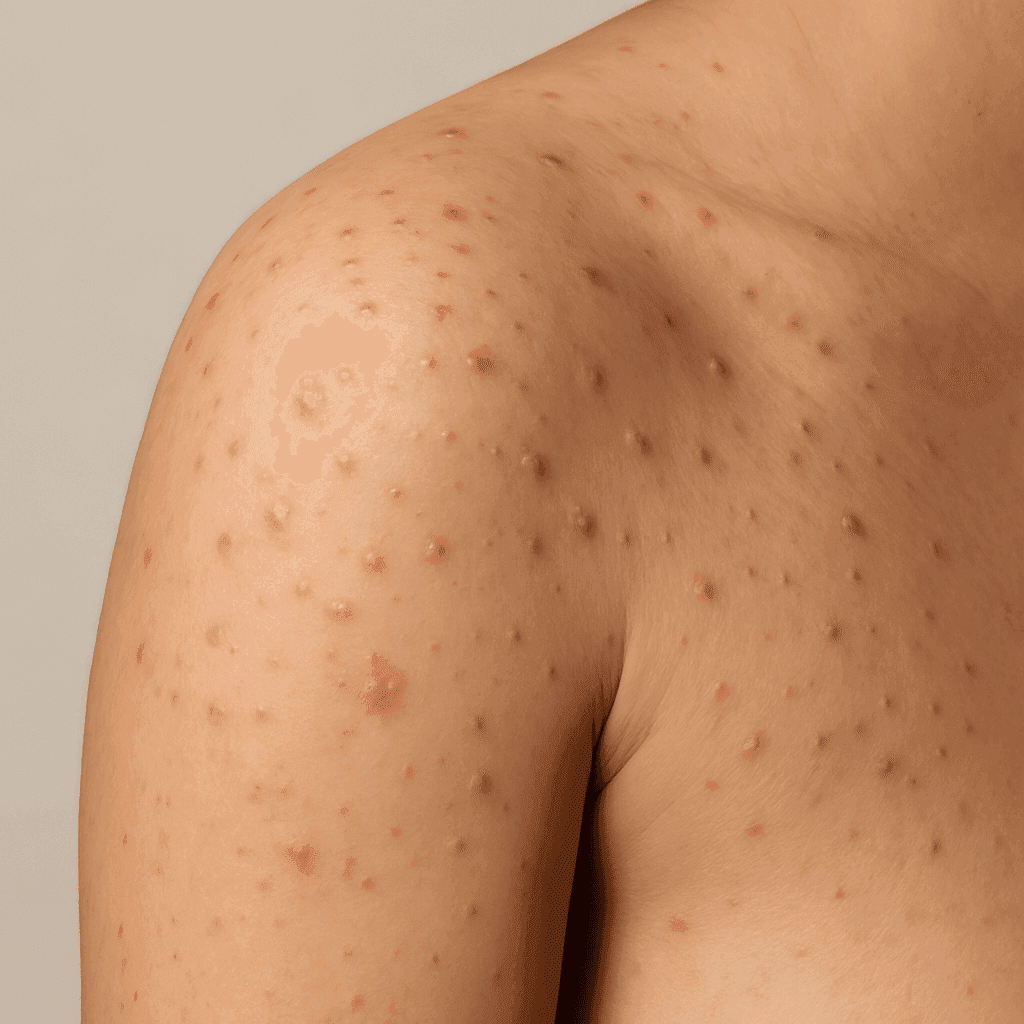
Diet and Acne: Foods That Trigger or Reduce Breakouts
Explore the link between diet and acne management.
Introduction
Acne is a common skin condition affecting millions of people worldwide. While it is often associated with adolescence, it can persist into adulthood, impacting self-esteem and quality of life. Diet is increasingly recognized as a significant factor in managing acne, alongside genetics and hormonal changes. Understanding how different foods influence skin health can empower individuals to make informed dietary choices that may help reduce the frequency and severity of breakouts.
Understanding Acne
Acne develops when hair follicles become clogged with oil and dead skin cells. Common types include whiteheads, blackheads, pimples, and cystic lesions, each with varying triggers. Hormonal fluctuations, particularly during puberty, are significant contributors. Other factors include stress, skincare products, and dietary habits. Identifying personal acne triggers is crucial for effective management, and diet plays a pivotal role in this process.
Diet and Acne: The Connection
Diet influences skin health through hormone regulation and inflammation control. Foods that spike insulin levels can increase sebum production, exacerbating acne. Conversely, anti-inflammatory foods can mitigate these effects. Understanding how dietary choices impact skin can guide individuals to develop a skin-friendly eating plan. Maintaining a balanced diet rich in nutrients and low in processed foods is key to supporting skin health.
Foods That May Trigger Acne
High-Glycemic Foods
High-glycemic foods, such as white bread and sugary snacks, cause rapid spikes in blood sugar levels. These spikes can increase insulin production, leading to higher sebum production and more frequent breakouts. Replacing these with low-glycemic alternatives, like whole grains and vegetables, can help stabilize insulin levels.
Dairy Products
Dairy, particularly skim milk, has been linked to acne in some studies. The hormones in milk may influence sebum production, leading to acne flare-ups. Considering dairy alternatives like almond or oat milk might be beneficial for those sensitive to dairy.
Processed Foods and Sugar
Highly processed foods often contain additives and preservatives that can contribute to inflammation. Similarly, high sugar intake is often associated with increased acne severity. Opting for natural, whole foods can help mitigate these effects.
Foods That May Help Reduce Acne
Anti-Inflammatory Foods
An anti-inflammatory diet can help reduce acne symptoms. Foods rich in antioxidants, such as fruits, vegetables, and green tea, combat oxidative stress and reduce inflammation in the skin.
Omega-3 Fatty Acids
Omega-3 fatty acids found in fish, flaxseeds, and walnuts are known for their anti-inflammatory properties. Incorporating these into your diet can help manage acne by reducing inflammation and balancing skin oil production.
Vitamins and Minerals
Vitamins A, E, and zinc play crucial roles in skin health. Vitamin A regulates skin cell production, vitamin E provides antioxidant protection, and zinc helps control inflammation and bacteria. Including foods like carrots, nuts, and legumes can boost these nutrients.
Creating an Acne-Friendly Diet Plan
Tips for Balanced Nutrition
Creating a balanced diet focused on whole foods can support clear skin. Include a variety of fruits, vegetables, lean proteins, and whole grains. Avoid excessive consumption of high-glycemic, processed, and sugary foods.
Sample Meal Plan for Clear Skin
- Breakfast: Oatmeal topped with berries and nuts
- Lunch: Grilled chicken salad with a variety of colorful vegetables
- Dinner: Baked salmon with quinoa and steamed broccoli
- Snacks: Fresh fruit or a handful of almonds
Importance of Hydration
Staying hydrated is essential for skin health. Water helps flush out toxins and supports overall skin function. Aim for at least eight glasses of water a day to maintain skin clarity and elasticity.
Additional Lifestyle Factors
Stress Management
Stress is a known trigger for acne, as it can elevate hormone levels that increase oil production. Techniques such as meditation, yoga, and regular physical activity can help manage stress effectively.
Proper Skincare Routine
A consistent skincare routine tailored to your skin type can significantly impact acne management. Use non-comedogenic products, cleanse regularly, and apply sunscreen to protect your skin from environmental damage.
Conclusion
Diet plays a crucial role in managing acne, though it is just one aspect of a comprehensive skincare approach. By understanding the relationship between food and skin health, individuals can make informed dietary choices that may help reduce breakouts. However, it is essential to consult a dermatologist for personalized advice and treatment options tailored to individual needs.
FAQs
What foods should I avoid to prevent acne?
Avoid high-glycemic foods, excessive dairy, and highly processed foods.
Can drinking more water help reduce acne?
Yes, staying hydrated can help flush out toxins and support overall skin health.
Is there a connection between dairy and acne?
Some studies suggest dairy, particularly skim milk, may exacerbate acne.
How long does it take to see improvements in acne after changing diet?
Improvements can vary, but some individuals may see changes in a few weeks.
Are there specific vitamins that can help with acne?
Vitamins A, E, and zinc are known to support skin health and may help reduce acne.
Does chocolate really cause acne?
Chocolate's link to acne is mostly anecdotal; its sugar content may be a more significant factor.