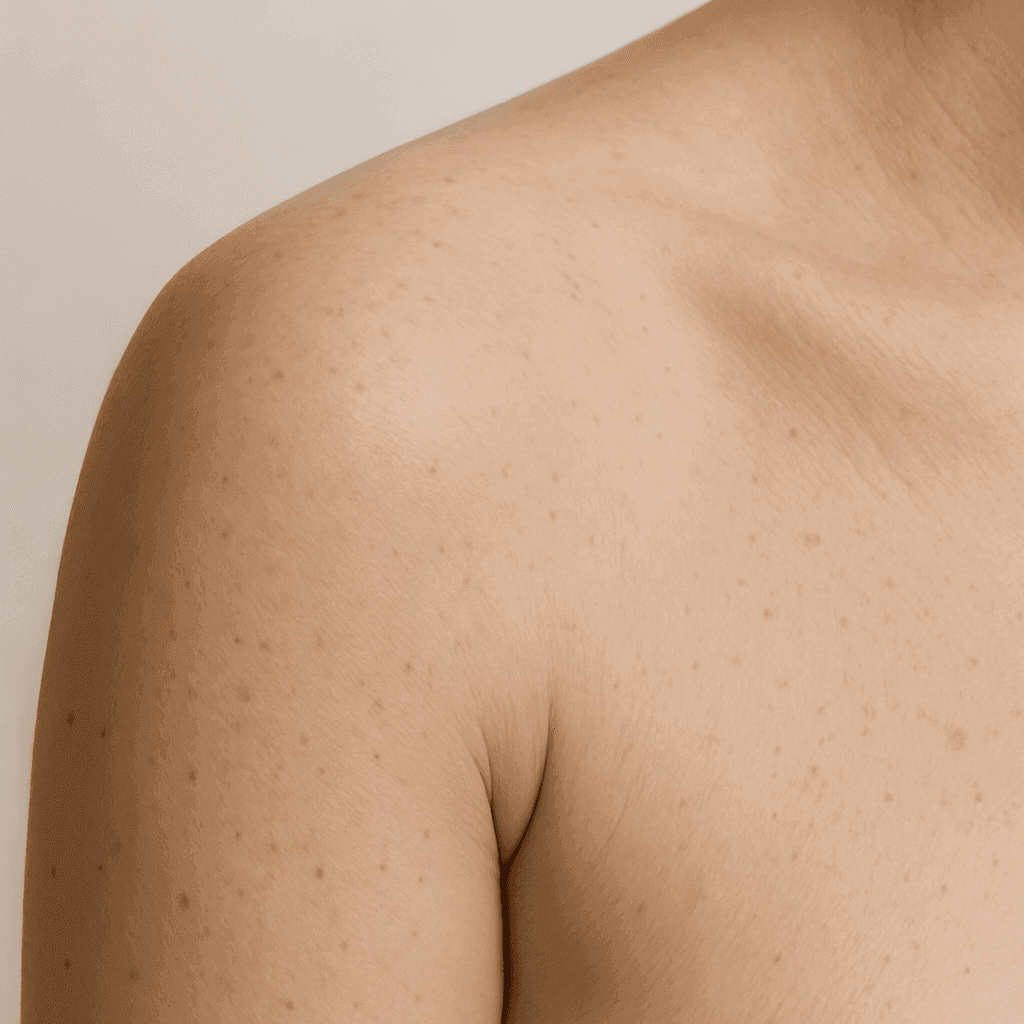
Does Drinking Water Really Improve Skin Appearance? A Scientific Look
Exploring water's role in skin appearance and health.
Introduction
Water is often hailed as a miracle fluid for overall health, influencing everything from digestion to circulation. A prevalent belief is that drinking water can visibly improve skin appearance, making it more hydrated, youthful, and glowing. However, the science behind these claims is complex and warrants a closer look. This article delves into the scientific basis of water's impact on skin health and addresses common myths and facts surrounding this topic.
The Science Behind Skin Hydration
How the Skin Maintains Moisture
The skin is the body's largest organ and serves as a critical barrier against environmental elements. It maintains moisture through a combination of natural oils, cellular hydration, and the stratum corneum, which is the outermost layer of the epidermis. This layer plays a key role in preventing water loss, thus maintaining the skin's natural moisture levels.
The Role of Water in Skin Physiology
Water is essential for maintaining skin physiology. It helps transport nutrients to skin cells and remove waste products. Water also supports the skin's elasticity and can improve the overall texture by keeping the underlying tissues hydrated. However, the exact mechanism of how drinking water impacts these functions is still under scientific scrutiny.
Benefits of Drinking Water for the Skin
Improved Skin Elasticity and Texture
Several studies suggest a positive correlation between water intake and improved skin elasticity. Adequate hydration can enhance the skin's suppleness, making it appear smoother and more youthful. By maintaining optimal water levels, the skin's natural repair processes are supported, which can lead to visible improvements in texture over time.
Water and Acne Prevention
Acne is often linked to excess oil production, clogged pores, and inflammation. While water alone is not a cure, staying hydrated may help reduce the risk of acne outbreaks by supporting the body's natural detoxification processes. Proper hydration ensures that toxins are flushed out efficiently, potentially reducing inflammation and helping clear the skin.
Anti-Aging Effects of Adequate Hydration
One of the most enticing claims about water consumption is its potential to slow down skin aging. Hydrated skin is less prone to fine lines and wrinkles, as water helps maintain skin elasticity. While no magic potion can halt aging, maintaining hydration levels through sufficient water intake can contribute to a more youthful appearance.
Myths and Facts About Water Consumption for Skin
Debunking Common Myths
There are several myths surrounding water intake and skin health. For instance, the notion that drinking eight glasses of water a day is a universal prescription for perfect skin is misleading. Factors such as climate, activity level, and individual health needs dictate personal hydration requirements.
Evidence-Based Benefits
While water's impact on skin health is often overstated, there are evidence-based benefits to maintaining proper hydration. Studies indicate that consistent water intake can improve skin density and thickness, which are indicators of healthy skin. These benefits are more pronounced in individuals who previously had sub-optimal hydration levels.
Practical Tips for Optimal Skin Hydration
How Much Water is Enough?
There is no one-size-fits-all answer to how much water one should drink for optimal skin health. However, a general guideline is to drink enough water to avoid dehydration, which can be gauged by listening to your body's signals, such as thirst and urine color.
Other Factors Influencing Skin Hydration
While water is vital, other factors also influence skin hydration. A balanced diet rich in antioxidants, a humid environment, and a proper skincare routine can all contribute to maintaining healthy skin. It's important to consider these elements in conjunction with adequate water consumption.
Conclusion
In summary, while drinking water is beneficial for maintaining general health, its direct impact on skin appearance is nuanced and influenced by various factors. Encouraging balanced hydration as part of a comprehensive skincare routine can support skin health, but it should not be seen as a standalone solution for skin concerns. For personalized advice, consulting with a dermatologist is recommended.
FAQ: Common Questions About Water and Skin Health
Can drinking more water clear up my skin?
While staying hydrated can support skin health, it is not a guaranteed solution for clearing up skin issues. Other factors, such as diet and skincare routines, also play significant roles.
How quickly will I see changes in my skin after increasing water intake?
The timeline for seeing changes varies depending on individual hydration levels and skin conditions. Some may notice improvements within a few weeks, while others may take longer.
Is drinking water more effective than topical moisturizers?
Water hydrates the body from the inside, while moisturizers help lock in moisture topically. Both are essential for maintaining healthy skin.
Does the type of water I drink affect my skin?
In most cases, the type of water does not significantly impact skin health. However, some prefer mineral water for its potential added benefits.
Can drinking too much water harm my skin?
Excessive water intake can lead to overhydration, which might not directly harm the skin but can affect overall health. It's crucial to maintain a balanced intake.
Are there any beverages better than water for skin health?
While water is fundamental, beverages like green tea, which contains antioxidants, can complement skin health when consumed as part of a balanced diet.