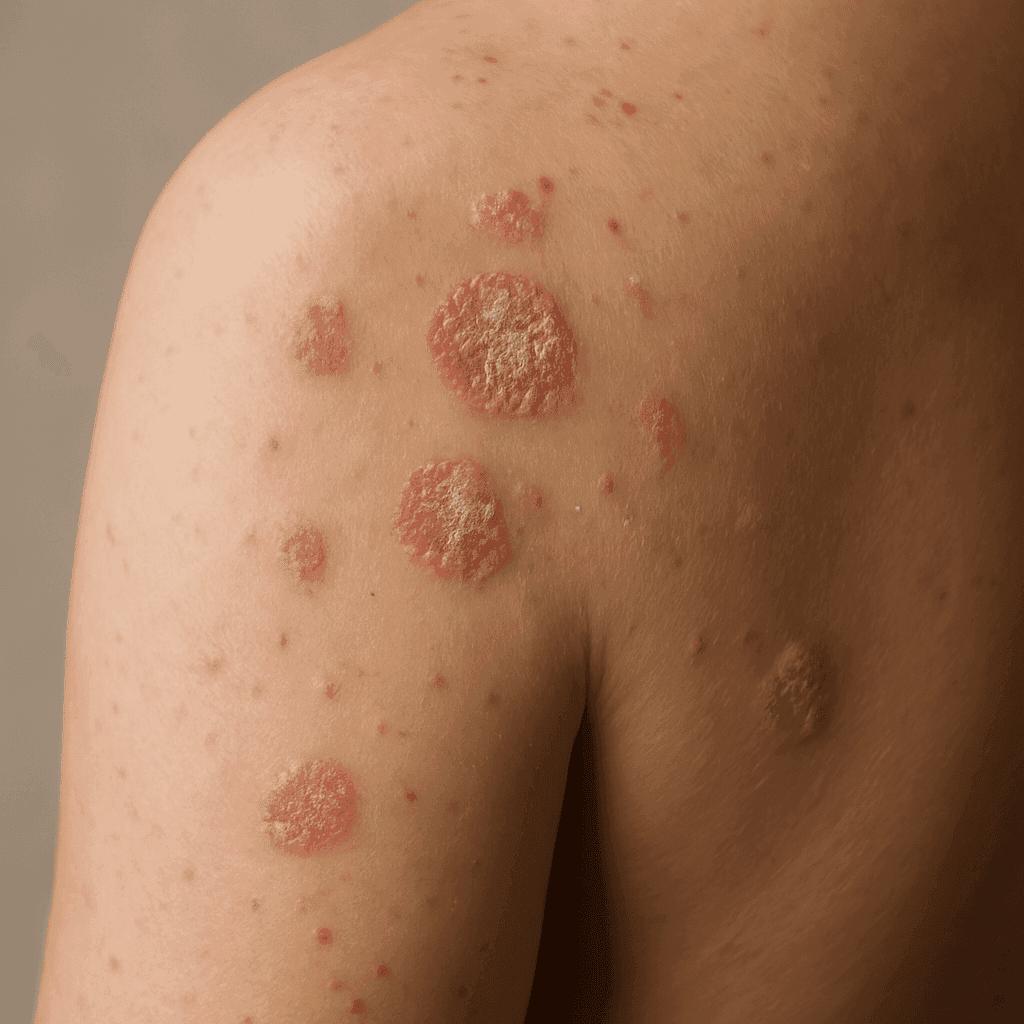
Early Signs of Psoriasis and How to Soothe Them
Identify early signs of psoriasis and soothe symptoms effectively.
Introduction
Psoriasis is a chronic autoimmune condition characterized by the rapid growth of skin cells, leading to scaling and inflammation. While it can affect anyone, recognizing the early signs is crucial for managing symptoms and improving quality of life. Early detection allows for timely intervention, which can help reduce flare-ups and maintain skin health. Understanding the condition's complexities is the first step toward effective management.
Understanding Psoriasis
What is Psoriasis?
Psoriasis is a skin disorder that speeds up the life cycle of skin cells, causing them to build up rapidly on the surface of the skin. These extra skin cells form scales and red patches that can be itchy and sometimes painful. There are several types of psoriasis, including plaque psoriasis, guttate psoriasis, pustular psoriasis, and inverse psoriasis.
Causes and Risk Factors
While the exact cause of psoriasis is not fully understood, it is believed to involve a combination of genetic predisposition and environmental factors. Common triggers include infections, skin injuries, stress, and certain medications. Family history plays a significant role, as individuals with a close relative with psoriasis are more likely to develop the condition.
Early Signs of Psoriasis
Common Symptoms
The early signs of psoriasis often present as red patches of skin covered with thick, silvery scales. These patches can vary in size and are typically found on the elbows, knees, scalp, and lower back. Other common symptoms include dry, cracked skin that may bleed, and itching or burning sensations around affected areas.
Less Common Symptoms
In addition to skin-related symptoms, some individuals may experience changes in their nails, such as pitting or detachment from the nail bed. Psoriatic arthritis is another potential manifestation, leading to swollen and painful joints. These less common symptoms highlight the importance of comprehensive care and early diagnosis.
How to Soothe Psoriasis Symptoms
Medical Treatments
Medical management of psoriasis typically involves topical treatments like corticosteroids, vitamin D analogues, and retinoids. For more severe cases, systemic medications or biologics may be prescribed. It's essential to consult a dermatologist to determine the most appropriate treatment plan.
Natural Remedies
Incorporating natural remedies can complement medical treatments. Regular moisturizing helps maintain skin hydration, and oatmeal baths can provide soothing relief from itching. Additionally, exposure to natural sunlight in moderation can also aid in symptom relief, but it's important to balance sun exposure to avoid skin damage.
Lifestyle and Dietary Changes
Adopting an anti-inflammatory diet rich in fruits, vegetables, and omega-3 fatty acids can help manage symptoms. Stress reduction techniques, such as yoga and meditation, are beneficial in minimizing flare-ups. Maintaining a healthy lifestyle with regular exercise can also support overall well-being and skin health.
Managing Psoriasis Flare-Ups
Identifying Triggers
Common psoriasis triggers include stress, skin injuries, certain medications, and infections. Identifying personal triggers is a critical step in managing flare-ups effectively. Keeping a symptom diary can help track potential triggers and patterns.
Effective Self-Care Strategies
Establishing a consistent skin care routine is crucial. This includes regular moisturizing, gentle cleansing, and avoiding harsh skincare products. Staying hydrated by drinking plenty of water is also essential for maintaining skin elasticity and health.
Frequently Asked Questions (FAQ)
What are the first signs of psoriasis?
The first signs of psoriasis often include red patches of skin with silvery scales, dry skin that may crack and bleed, and itching or burning sensations.
Can psoriasis be mistaken for other skin conditions?
Yes, psoriasis can be mistaken for eczema or dermatitis. A dermatologist's evaluation is essential for an accurate diagnosis.
How can I tell if my psoriasis is getting worse?
Worsening psoriasis might present as an increase in the number of patches, severity of scaling, or new joint pain. Consult with a healthcare provider if symptoms escalate.
Are there any foods that can help with psoriasis symptoms?
Foods rich in omega-3 fatty acids, like fish and flaxseeds, and anti-inflammatory foods such as fruits and vegetables can support symptom management.
Is psoriasis contagious?
No, psoriasis is not contagious. It is an autoimmune condition that cannot be spread from person to person.
What is the best way to manage stress to prevent psoriasis flare-ups?
Practicing stress management techniques such as meditation, deep breathing exercises, and regular physical activity can help prevent flare-ups.