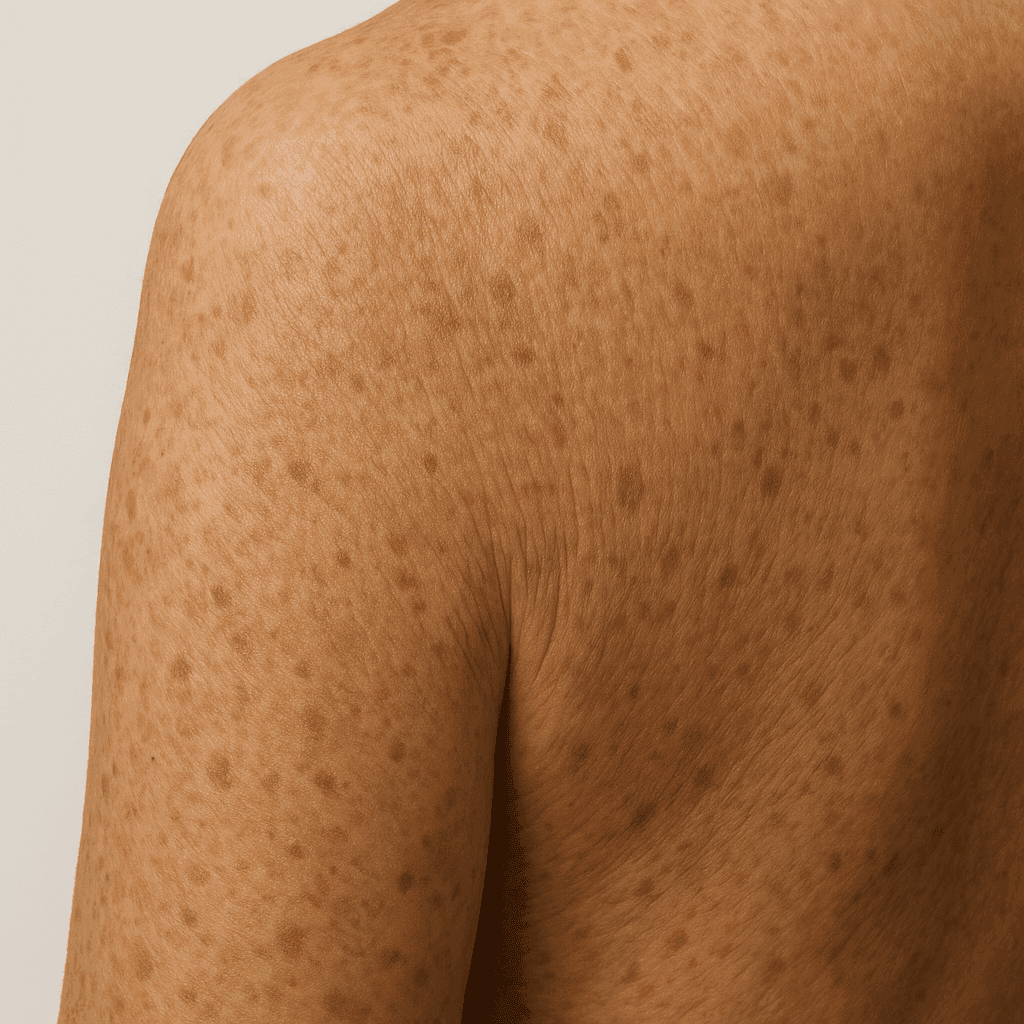
Effects of alcohol and smoking on skin appearance
How alcohol and smoking affect skin condition and aging.
Introduction
Alcohol and smoking are widely used around the world, even though their impact on health is well documented. Both alcohol and cigarette smoke have a significant impact on various aspects of health, including skin condition. In this article, we will look at how these substances can affect the appearance and health of our skin, and what the long-term effects of their use are.
How alcohol affects the skin
Long-term effects of alcohol consumption
Regular alcohol consumption can lead to many skin problems. Alcohol acts as a diuretic, which means it increases the excretion of water from the body, leading to dehydration. The skin, as the largest organ in the body, reacts immediately to a lack of proper hydration, becoming dry and less elastic. Prolonged dehydration can contribute to loss of skin firmness and the appearance of wrinkles.
Alcohol and skin aging
Alcohol accelerates the skin aging process mainly by damaging collagen and elastin, the proteins responsible for its elasticity and firmness. Alcohol consumption also increases the amount of free radicals in the body, leading to oxidative stress and further damage to the skin's structure. As a result, people who consume alcohol regularly may notice the faster appearance of wrinkles and expression lines.
Alcohol and skin problems
Alcohol consumption is associated with worsening acne and other dermatological problems. Alcohol can exacerbate inflammation, which is particularly problematic for people with rosacea. In the case of this disease, alcohol can lead to worsening symptoms and increased visibility of blood vessels on the face.
How smoking affects the skin
Skin damage caused by smoking
Cigarette smoke is full of toxins that damage the skin. Smoking damages collagen and elastin, similar to alcohol, but also reduces blood flow to the skin, leading to hypoxia. As a result, smokers' skin becomes rough, dull, and lackluster.
Skin aging in smokers
Smoking accelerates skin aging, which manifests itself in the premature appearance of wrinkles, especially around the mouth and eyes. In addition, cigarette smoke can cause skin discoloration, which is characteristic of long-term smokers. This process is irreversible, but you can try to minimize its effects with proper skin care.
Smoking and skin regeneration
Quitting smoking is one of the best steps you can take to regenerate your skin. After you stop smoking, your skin gradually begins to regain its regenerative properties, and the improvement in its condition can be visible after just a few weeks. The repair processes include improved skin tone, reduced wrinkles, and improved elasticity.
Skin care tips
How to minimize the negative effects of alcohol and smoking
To minimize the negative effects of alcohol and smoking on the skin, it is essential to moisturize it regularly and protect it from harmful external factors. It is also worth paying attention to your diet and supplementation, which can support skin health. Products rich in antioxidants, vitamins A, C, and E can help fight oxidative stress.
Professional dermatological treatments
For people who struggle with more serious skin problems, professional dermatological treatments can be an effective solution. A consultation with a dermatologist allows you to select the appropriate therapies and treatments that can support the skin's regenerative processes.
Summary
Avoiding alcohol and smoking are key steps toward maintaining healthy and youthful-looking skin. It is also important to remember about regular skin care and a healthy lifestyle, which support the condition of the skin. Taking care of yourself is an investment in the future that brings health and aesthetic benefits.