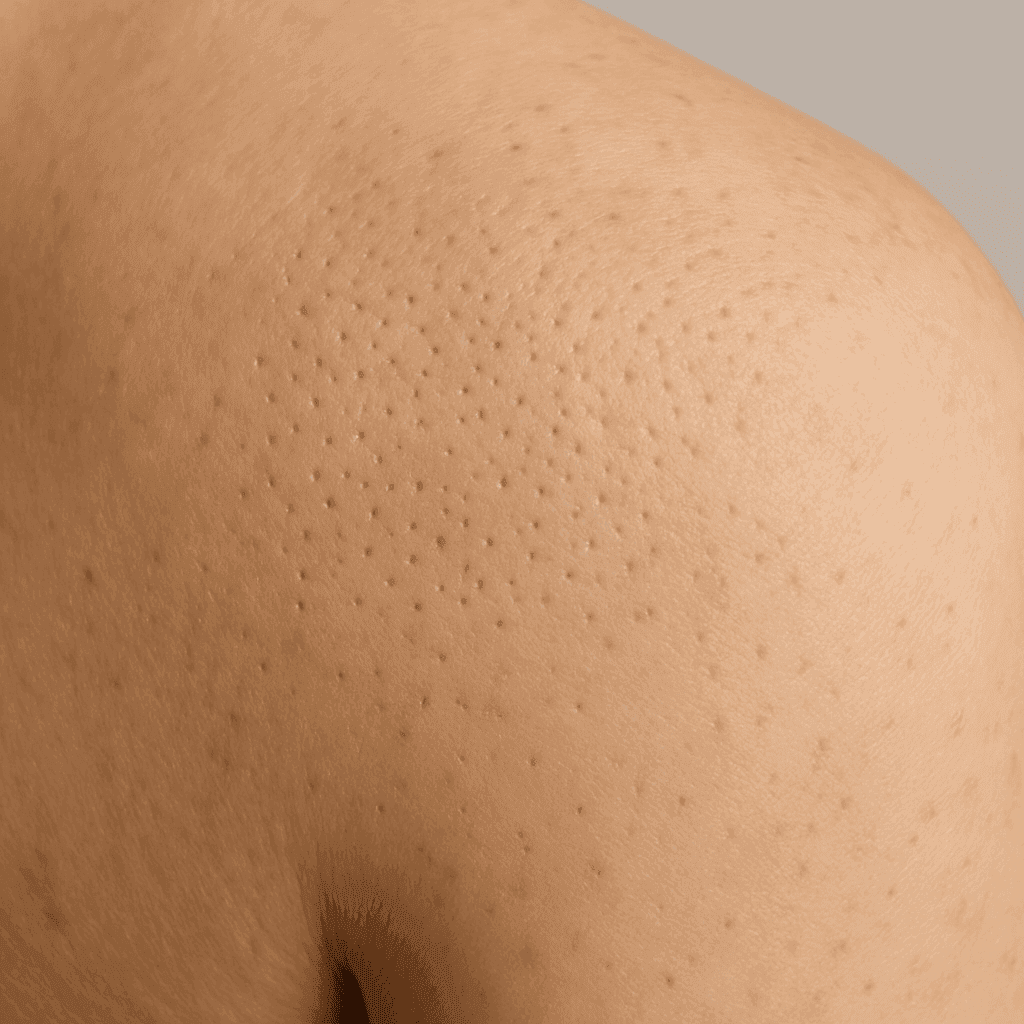
Enlarged Pores – Causes and Treatment
Explore causes and treatments for enlarged pores.
Introduction
Enlarged pores can be a common concern for many individuals seeking a smoother complexion. Understanding the function and significance of skin pores is crucial in addressing this issue effectively. Pores are small openings on the skin's surface that allow sweat and oil to reach the skin, playing a vital role in maintaining skin health.
Understanding Enlarged Pores
What Are Pores?
Pores are essential for skin functionality, serving as passageways for sebum and sweat. Sebum is an oily substance produced by sebaceous glands that helps moisturize and protect the skin. While pores are necessary, they can sometimes become enlarged, leading to aesthetic concerns.
Causes of Enlarged Pores
Several factors contribute to enlarged pores, including genetics, which plays a significant role in determining pore size. Excessive sebum production, often associated with oily skin, can also cause pores to appear larger. As skin ages, the loss of elasticity can result in enlarged pores, a process exacerbated by sun damage. An improper skincare routine, such as neglecting exfoliation or using harsh products, can further contribute to this issue.
Diagnosis and Assessment
Dermatologists employ various methods to assess pore size and overall skin condition. During a consultation, a dermatologist might use magnification tools or specialized imaging to examine the skin closely. This assessment helps determine the most effective treatment plan tailored to the individual's needs. While AI-based photo analysis can provide an initial assessment, a comprehensive evaluation by a dermatologist remains crucial for proper diagnosis and treatment planning.
Treatment Options for Enlarged Pores
Topical Treatments
Effective topical treatments for enlarged pores often include retinoids, which help increase cell turnover and reduce oil production. Salicylic acid, known for its pore-clearing properties, can also be beneficial. Niacinamide, a form of vitamin B3, can improve skin elasticity and reduce pore size.
Professional Treatments
Professional treatments such as chemical peels can exfoliate the skin, removing dead cells and reducing pore appearance. Microdermabrasion is another option, gently exfoliating the skin to reveal a fresher layer. Laser therapy can target deeper skin layers, promoting collagen production and tightening pores.
Natural and Home Remedies
For those preferring natural remedies, clay masks can help absorb excess oil and cleanse pores. Apple cider vinegar, known for its astringent properties, may tighten pores when used as a toner. Applying ice cubes can temporarily reduce pore size by constricting blood vessels.
Skincare Routine for Managing Enlarged Pores
Maintaining a consistent skincare routine is essential in managing enlarged pores. Daily cleansing helps remove excess oil and prevent clogging. Moisturizing is crucial, even for oily skin, to maintain the skin's barrier function. Sunscreen is a non-negotiable step, protecting the skin from UV damage that can exacerbate pore size. Exfoliation should be done regularly but not excessively, to remove dead skin cells without irritating the skin.
Lifestyle and Dietary Considerations
Diet can significantly impact skin health. A balanced diet rich in antioxidants, omega-3 fatty acids, and vitamins can support skin integrity and potentially reduce pore size. Stress management is equally important, as stress can increase sebum production and lead to enlarged pores. Regular exercise and adequate hydration are also beneficial for overall skin health.
Prevention of Enlarged Pores
Preventing enlarged pores involves adopting a proactive approach to skincare. Regular cleansing, using non-comedogenic products, and avoiding excessive sun exposure are essential steps. It's also important to avoid common skincare mistakes, such as over-exfoliating or using harsh products that can irritate the skin and worsen pore appearance.
Frequently Asked Questions (FAQ)
Can enlarged pores be permanently reduced?
While complete elimination of pores is not possible, their appearance can be minimized with consistent skincare and professional treatments.
Are there any risks associated with pore-minimizing treatments?
Most treatments are safe when performed by professionals, but potential risks include irritation and temporary redness.
How long does it take to see results from treatments?
Results vary, but most individuals may notice improvements within a few weeks to months.
Is it possible to shrink pores naturally?
Natural remedies can help reduce the appearance of pores, though results may be subtle compared to professional treatments.
What ingredients should I look for in skincare products for enlarged pores?
Look for ingredients like retinoids, salicylic acid, and niacinamide, known for their pore-refining properties.
Can makeup worsen the appearance of enlarged pores?
Heavy makeup can settle into pores, making them appear larger. Using a primer and non-comedogenic products can help minimize this effect.