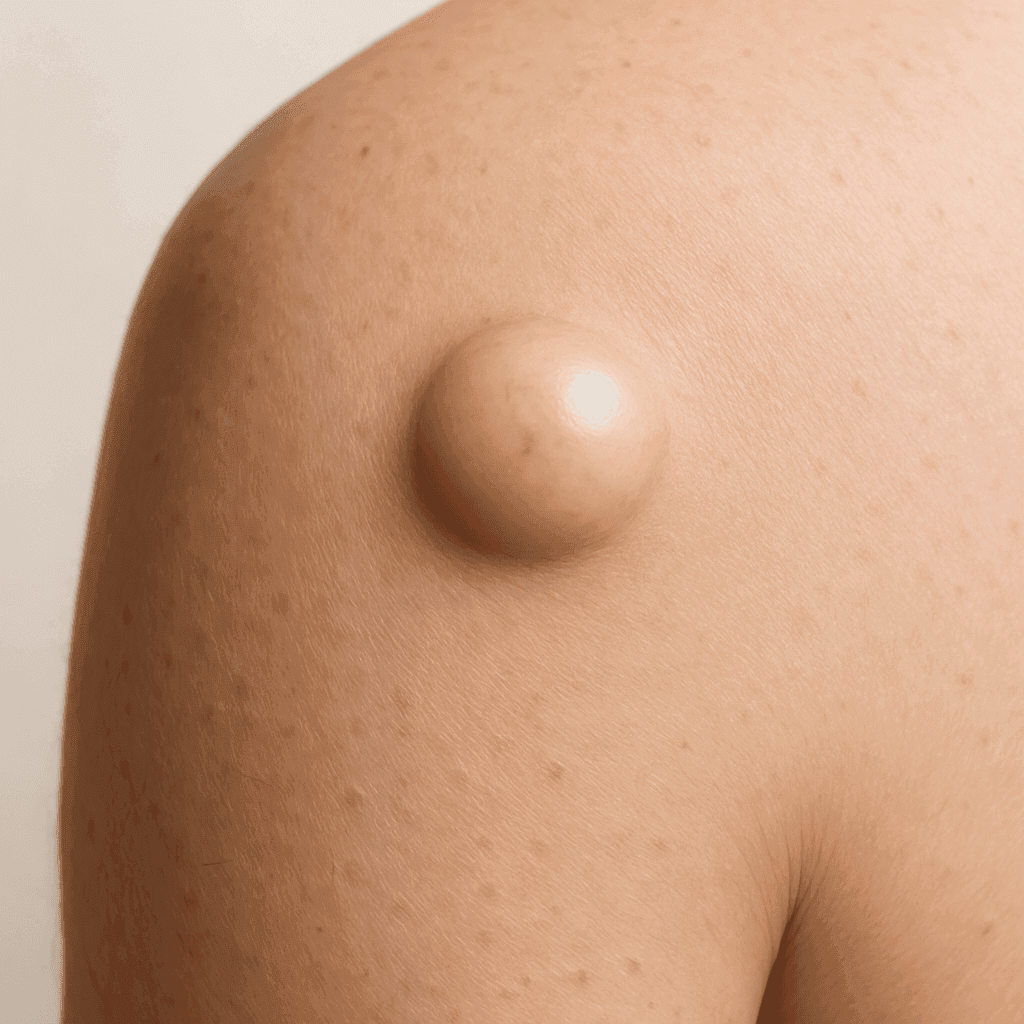
Epidermoid Cysts: How to Distinguish Them from Other Lesions
Learn about epidermoid cysts and how they differ.
Introduction
Skin lesions are common and can vary significantly in appearance and cause. Accurately diagnosing these lesions is vital for ensuring appropriate treatment and management. Among the various types of skin lesions, epidermoid cysts are particularly noteworthy for their prevalence and potential for confusion with other types of cysts and growths.
What Are Epidermoid Cysts?
Epidermoid cysts are benign growths that typically form when skin cells multiply beneath the skin rather than shedding. These cysts are characterized by a round, small bump filled with keratin, a protein found in skin cells. Common locations for epidermoid cysts include the face, neck, and trunk. Despite their benign nature, they can occasionally become painful or infected.
Causes and Risk Factors
The causes of epidermoid cysts are varied, with a significant component being genetic predisposition. Individuals with certain genetic syndromes or a family history of cysts may be more prone to developing them. Environmental factors, such as skin injuries or acne, can also contribute to cyst formation by trapping skin cells beneath the surface.
Symptoms and Diagnosis
Epidermoid cysts typically present as palpable, firm lumps beneath the skin. They are usually painless unless inflamed or infected. Diagnosis is often clinical, based on appearance and location, but can be confirmed with imaging or biopsy if needed. A dermatologist may use these methods to ensure the lesion is benign and to rule out other conditions.
Epidermoid Cysts vs. Other Lesions
Epidermoid Cysts vs. Sebaceous Cysts
While often used interchangeably, epidermoid and sebaceous cysts differ. Sebaceous cysts originate from sebaceous glands and contain sebum, whereas epidermoid cysts contain keratin. Their treatment and prognosis are similar, but identification can assist in choosing the best management strategy.
Epidermoid Cysts vs. Lipomas
Lipomas are soft, fatty lumps beneath the skin that are also benign but differ from cysts in texture and composition. Unlike epidermoid cysts, lipomas are composed of adipose tissue and are generally softer to the touch. Differentiating between these requires a careful physical examination and sometimes imaging.
Epidermoid Cysts vs. Other Skin Lesions
Other non-cancerous lesions, such as moles or warts, can be confused with epidermoid cysts. The key is to understand the specific characteristics of each lesion type, as treatment varies depending on the diagnosis.
Treatment Options for Epidermoid Cysts
Non-Surgical Treatments
For asymptomatic cysts, non-surgical options may include warm compresses to reduce discomfort. Home remedies can provide temporary relief, but professional evaluation is recommended for persistent or bothersome cysts.
Surgical Treatments
Surgical removal is often the best option for cysts that are painful, infected, or cosmetically concerning. Excision is the most common method, ensuring complete removal and reducing recurrence risk. Choosing a skilled dermatologist for this procedure is crucial for optimal outcomes.
Prevention and Management
Preventing epidermoid cysts involves maintaining good skin hygiene and avoiding skin trauma. For those with a history of cysts, regular dermatological check-ups can help manage and identify potential issues early.
When to See a Dermatologist
It is important to consult a dermatologist if a cyst becomes painful, changes in appearance, or shows signs of infection, such as redness and pus. Early evaluation can prevent complications and ensure appropriate treatment.
Conclusion
Epidermoid cysts are common, benign lesions that can usually be managed effectively with proper care. Understanding their characteristics and differences from other skin lesions is key to appropriate treatment. Always seek professional medical advice for any concerns regarding skin health.