Erysipelas (St. Anthony’s Fire): Complications and Treatment
Explore symptoms, treatment, and complications of erysipelas.
Introduction
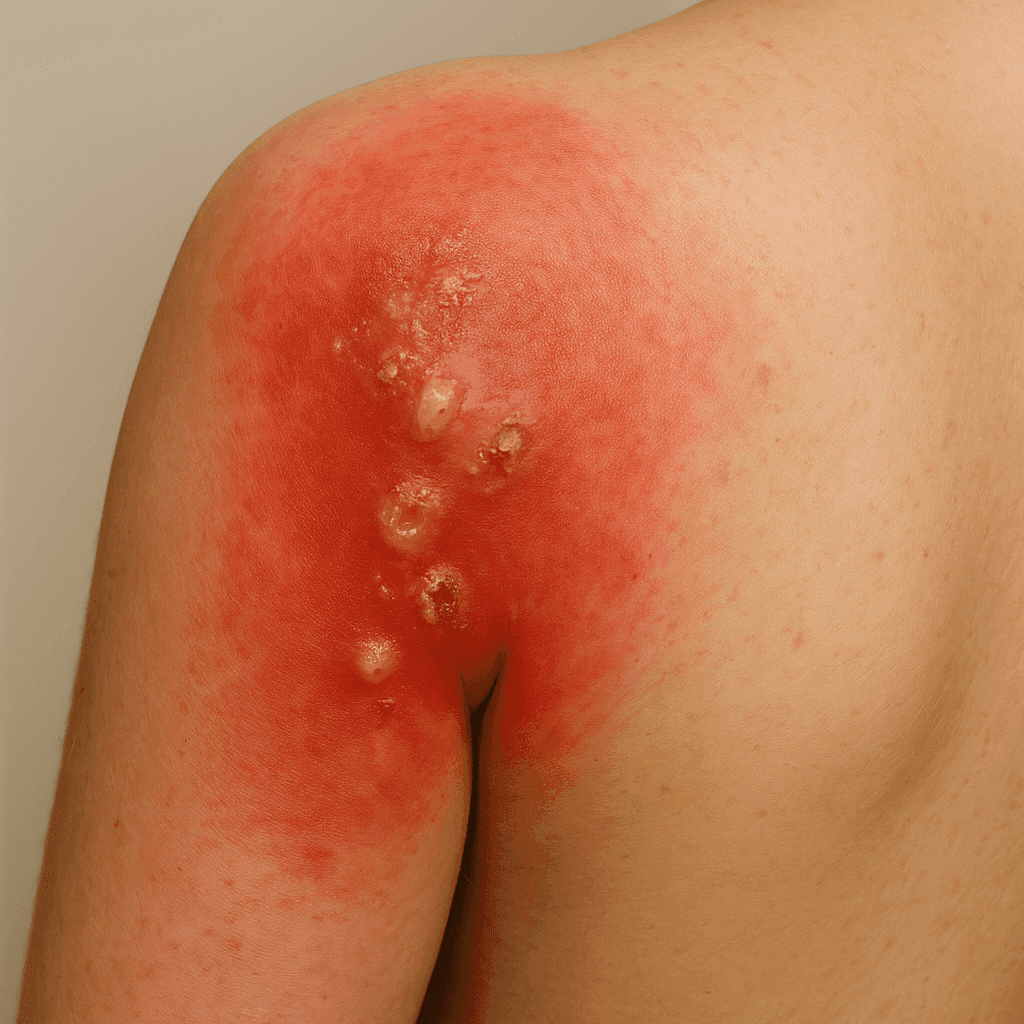
Erysipelas, commonly known as St. Anthony’s Fire, is a bacterial skin infection characterized by well-demarcated, red, and inflamed patches on the skin. This condition can cause discomfort and requires timely medical intervention to prevent further complications. Understanding the symptoms, causes, and treatment options is crucial for effective management and prevention of complications associated with erysipelas.
What is Erysipelas?
Erysipelas is an acute infection of the upper dermis and superficial lymphatics, usually caused by Streptococcus bacteria. Historically referred to as St. Anthony’s Fire due to its fiery red appearance, it has been a known ailment for centuries, often associated with fever and chills. The name is derived from St. Anthony, the patron saint of those suffering from skin diseases, who was believed to have cured many from this affliction.
Causes and Risk Factors
Erysipelas is primarily caused by the bacterium Streptococcus pyogenes, which enters the body through breaks in the skin. Common causes include cuts, ulcers, and insect bites. Several factors increase the risk of developing erysipelas, such as compromised immune systems, diabetes, lymphedema, and previous skin infections. It is more prevalent in elderly individuals and those with chronic conditions that weaken the immune response.
Symptoms and Diagnosis
Symptoms of erysipelas often include sudden onset of fever, chills, fatigue, and a distinctive rash that is raised, red, and warm to the touch. The affected area may also be swollen and painful. Diagnosis typically involves a physical examination by a healthcare professional, considering medical history and symptoms. In some cases, blood tests or cultures may be conducted to rule out other conditions and confirm the presence of Streptococcus bacteria.
Treatment Options
Treatment of erysipelas primarily involves antibiotic therapy to eradicate the underlying bacterial infection. Penicillin is often the first line of treatment, but other antibiotics may be used depending on patient history and allergies. Alongside antibiotics, supportive treatments such as rest, elevation of the affected limb, and analgesics for pain management are recommended. Home care includes maintaining proper hygiene, applying cold compresses, and ensuring adequate hydration.
Complications of Erysipelas
If left untreated, erysipelas can lead to complications such as abscess formation, septicemia, and chronic swelling or lymphedema. In severe cases, the infection can spread to deeper tissues and cause cellulitis. Long-term effects may include recurrent infections and permanent skin damage. It is crucial to monitor symptoms and seek medical advice promptly to avoid these potential complications.
Prevention Strategies
Preventing erysipelas involves reducing risk factors such as maintaining skin integrity and managing underlying health conditions. Proper wound care, regular moisturizing to prevent skin cracks, and managing conditions like diabetes are crucial steps. Additionally, maintaining a healthy immune system through a balanced diet and regular exercise can help reduce the risk of infection.
Erysipelas vs. Other Skin Infections
Erysipelas and cellulitis are often confused due to their similar symptoms, but they differ in the depth of skin affected. Erysipelas involves the upper skin layers, while cellulitis affects deeper tissues. Other skin infections like impetigo and dermatitis also present with red, inflamed skin but differ in cause and treatment. Proper diagnosis by a healthcare professional is essential for appropriate management.
Erysipelas in Special Populations
Elderly patients are at higher risk for erysipelas due to age-related immune decline and skin fragility. Additionally, individuals with diabetes must be vigilant as they are prone to skin infections due to compromised immunity and circulation issues. Special care in these populations includes regular skin checks, prompt treatment of wounds, and effective management of underlying health conditions.
Conclusion
Erysipelas is a serious bacterial infection that requires prompt medical attention to prevent complications. Early diagnosis and treatment with antibiotics are crucial in managing symptoms and preventing recurrence. Maintaining good skin hygiene and addressing risk factors can significantly reduce the likelihood of developing erysipelas. It is imperative to consult with healthcare providers for accurate diagnosis and treatment plans.
FAQs
What is the difference between erysipelas and cellulitis?
Erysipelas affects the upper dermis and presents with well-defined edges, while cellulitis involves deeper skin layers with less defined borders.
Can erysipelas recur after treatment?
Yes, erysipelas can recur, especially if underlying risk factors are not managed.
How is erysipelas diagnosed?
Diagnosis is based on clinical examination, patient history, and may include blood tests to confirm bacterial presence.
What are the common complications of erysipelas?
Complications include abscess formation, septicemia, and chronic swelling.
Are there any home remedies for erysipelas?
While medical treatment is necessary, home remedies like rest, hydration, and cold compresses can aid recovery.
How can one prevent erysipelas from recurring?
Preventive measures include managing risk factors, proper wound care, and maintaining good skin hygiene.