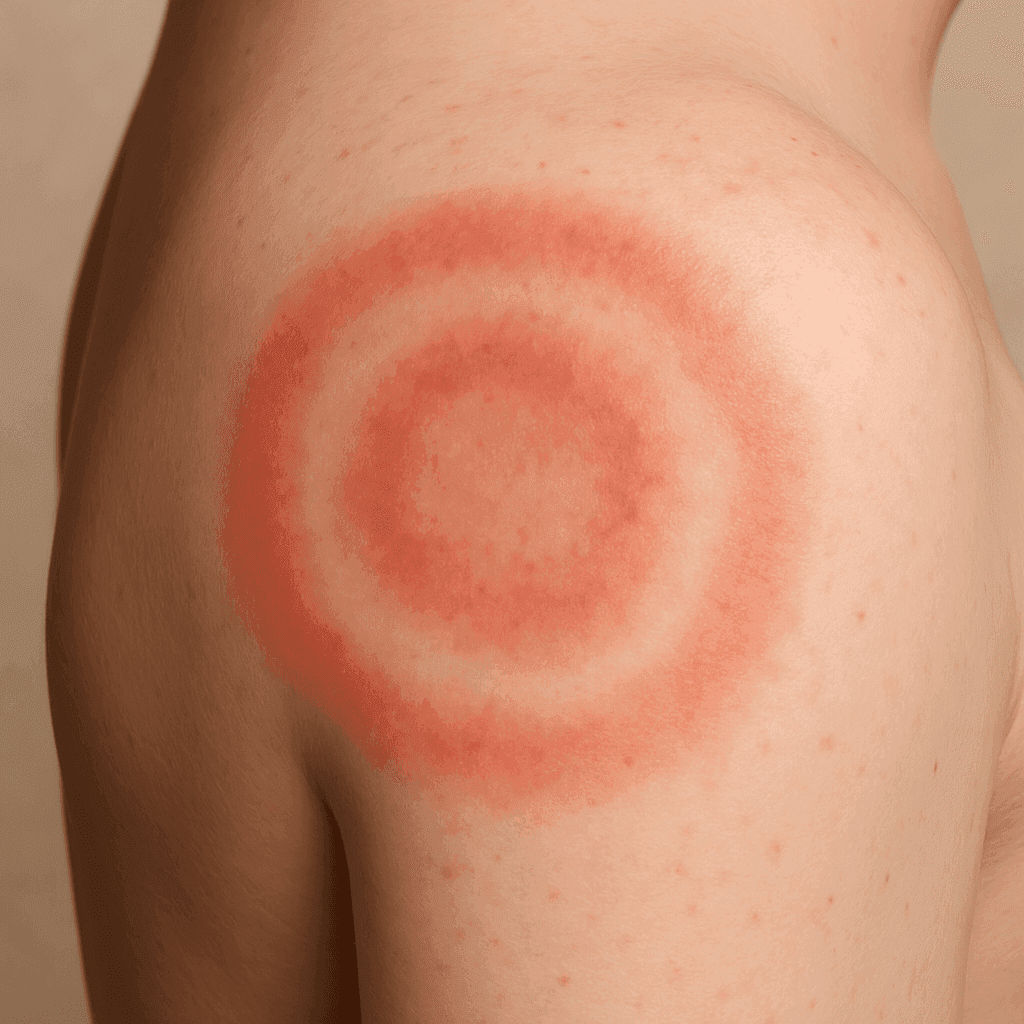
Erythema migrans – An Early Sign of Lyme Disease
Understand erythema migrans, a key Lyme disease indicator.
Introduction
Lyme disease is a tick-borne illness that poses significant health risks if not identified and treated early. Among its earliest indicators is erythema migrans, a distinct skin rash that can help in recognizing the onset of the disease. Understanding the features of erythema migrans is crucial for early detection and effective treatment of Lyme disease. Early intervention can prevent the progression of symptoms and reduce the risk of long-term complications.
What is Erythema Migrans?
Erythema migrans is characterized by a red, circular rash that often appears at the site of a tick bite. It is a hallmark of early Lyme disease and may present as a bull's-eye pattern. This rash is indicative of the body's response to the infection spread by the tick. Not everyone with Lyme disease will develop this rash, but its presence is a critical diagnostic clue in identifying the disease in its early stages.
Causes and Risk Factors
Lyme disease is transmitted through the bite of infected black-legged ticks, commonly known as deer ticks. These ticks thrive in wooded and grassy areas, making outdoor activities a risk factor for exposure. The prevalence of Lyme disease varies geographically, with higher incidences reported in the Northeastern and Midwestern United States. Seasonal factors also play a role, as ticks are most active during the warmer months, increasing the likelihood of bites during this period.
Symptoms of Erythema Migrans
The erythema migrans rash typically emerges 3 to 30 days after a tick bite, starting as a small red spot that gradually expands. It is not usually itchy or painful, but it can be warm to the touch. The rash may be accompanied by flu-like symptoms such as fever, headache, fatigue, and muscle aches, which are common early signs of Lyme disease. Identifying these symptoms promptly is vital for timely medical intervention.
Diagnosis of Erythema Migrans
Diagnosis primarily involves a clinical examination, where a healthcare provider assesses the rash and considers the patient's history of tick exposure. Laboratory tests, such as enzyme-linked immunosorbent assay (ELISA) and Western blot, may be used to confirm Lyme disease. Imaging is rarely required but can be considered if there are complications affecting the joints or nervous system.
Treatment Options
Erythema migrans and early Lyme disease are typically treated with antibiotics. Commonly prescribed antibiotics include doxycycline, amoxicillin, or cefuroxime axetil. Early treatment is effective in resolving symptoms and preventing the progression of the disease. Home care includes rest, hydration, and over-the-counter pain relievers to manage symptoms. Always consult a healthcare provider for personalized treatment advice.
Prevention of Lyme Disease
Preventing tick bites is the best strategy to avoid Lyme disease. When in tick-prone areas, wear long sleeves and pants, tuck pants into socks, and use insect repellents that contain DEET. After outdoor activities, perform thorough tick checks on yourself and pets. Removing ticks promptly with fine-tipped tweezers can reduce the risk of infection. Awareness and preventive measures are key to reducing Lyme disease incidence.
Erythema Migrans vs. Other Rashes
Differentiating erythema migrans from other skin rashes is crucial for accurate diagnosis. Unlike other rashes, erythema migrans expands over time and is often not itchy. If you notice a rash following a tick bite, especially if it resembles a bull's-eye, seek medical advice promptly. Early medical consultation can prevent complications and ensure effective management of the condition.
Living with Lyme Disease
Managing Lyme disease involves long-term care and monitoring. Even after treatment, some individuals may experience lingering symptoms, known as post-treatment Lyme disease syndrome (PTLDS). Support groups and resources can provide valuable assistance in coping with the challenges of living with Lyme disease. Regular follow-ups with healthcare providers ensure that any persistent symptoms are addressed appropriately.
Frequently Asked Questions
What does erythema migrans look like?
Erythema migrans typically appears as a circular, red rash that expands over time, often resembling a bull's-eye pattern.
How soon after a tick bite does erythema migrans appear?
The rash usually appears 3 to 30 days after a tick bite.
Can erythema migrans resolve on its own?
While the rash may fade without treatment, medical intervention is crucial to prevent the progression of Lyme disease.
Is erythema migrans contagious?
Erythema migrans itself is not contagious, as it results from a tick bite rather than person-to-person transmission.
What should I do if I suspect I have erythema migrans?
Seek medical attention promptly for evaluation and potential treatment to prevent further complications.
Are there any long-term effects of untreated erythema migrans?
If left untreated, the infection can spread to joints, the heart, and the nervous system, leading to more severe health issues.