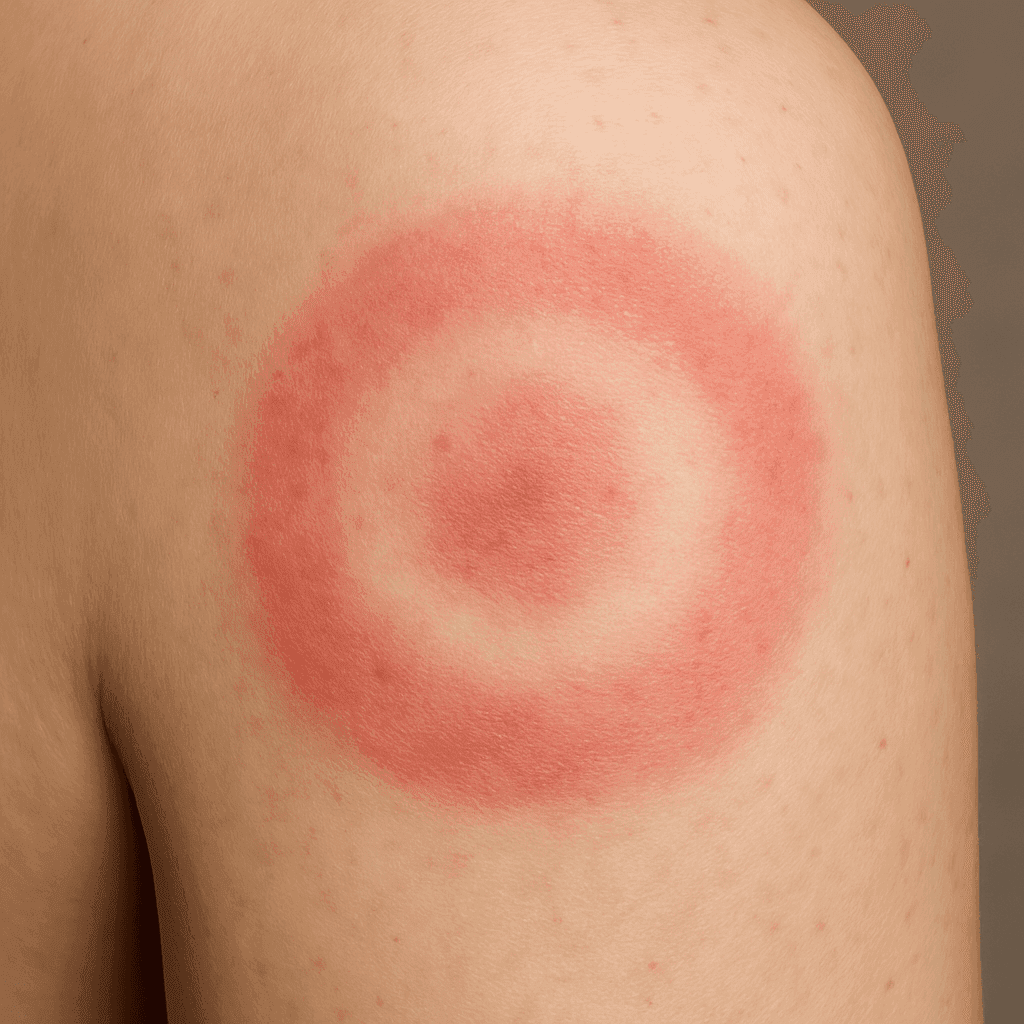
Erythema Migrans (Lyme Disease): Appearance After a Tick Bite
Learn about erythema migrans and its appearance.
Introduction
Lyme disease is a prevalent tick-borne illness caused by the bacterium Borrelia burgdorferi. It is primarily transmitted through the bite of infected black-legged ticks. One of the early signs of Lyme disease is erythema migrans, a distinctive skin rash. Early detection and treatment of Lyme disease are crucial to prevent more severe complications.
Understanding the early manifestations of Lyme disease, such as erythema migrans, can aid in timely medical intervention. This article provides an in-depth overview of erythema migrans, its appearance, diagnosis, and treatment options.
What is Erythema Migrans?
Erythema migrans is a hallmark sign of early Lyme disease. It typically appears as a red, expanding rash that may resemble a bull's-eye. However, its appearance can vary widely among individuals.
Common Misconceptions
Many people mistakenly believe that erythema migrans always appears immediately after a tick bite or that it always presents with a central clearing. In reality, the rash can appear anywhere from 3 to 30 days after a tick bite and may not always have a classic bull's-eye appearance.
Appearance of Erythema Migrans
Initial Signs and Symptoms
Erythema migrans usually begins as a small red spot at the site of the tick bite. As it enlarges, the rash may develop a more circular shape with a central clearing, giving it the famous bull's-eye appearance.
Visual Characteristics of the Rash
The rash can appear on any part of the body and is often warm to the touch. It typically does not itch or cause pain, which can make it easy to overlook. The diameter of the rash can vary significantly, ranging from a few centimeters to over 30 centimeters in size.
Progression and Changes Over Time
Over time, the rash may expand and change in appearance. In some cases, multiple rashes may appear on different parts of the body. It's important to monitor the rash's progression and seek medical evaluation if Lyme disease is suspected.
Causes and Risk Factors
Tick Bite and Lyme Disease Transmission
Lyme disease is primarily transmitted through the bite of infected black-legged ticks, also known as deer ticks. These ticks are most active during the warmer months, from April to September, which correlates with a higher incidence of Lyme disease during these times.
Geographic and Seasonal Considerations
Lyme disease is most commonly reported in the northeastern, north-central, and northwestern United States. However, it is important to note that Lyme disease can occur in other regions as well. Being aware of tick activity and taking preventive measures during peak seasons can reduce the risk of Lyme disease.
Diagnosis of Erythema Migrans
Clinical Examination and History
Diagnosing erythema migrans typically involves a clinical examination and a detailed patient history. A doctor will assess the rash's appearance, ask about recent outdoor activities, and inquire about any tick bites.
Diagnostic Tests and Procedures
While the presence of erythema migrans can often suffice for a Lyme disease diagnosis, blood tests may be conducted to confirm the infection, especially if the rash's appearance is atypical. These tests are more reliable a few weeks after infection when antibodies to the bacterium are present.
Treatment Options
Antibiotic Therapy
The primary treatment for erythema migrans and Lyme disease is antibiotic therapy. Commonly prescribed antibiotics include doxycycline, amoxicillin, or cefuroxime axetil. Early treatment is crucial in preventing the progression of Lyme disease.
Managing Symptoms and Complications
In addition to antibiotics, managing symptoms such as fever and fatigue may be necessary. Over-the-counter pain relievers can be used to alleviate discomfort. Regular follow-up with a healthcare provider ensures that the treatment is effective and that any complications are addressed promptly.
Prevention Strategies
Tick Bite Prevention Measures
Preventing tick bites is a key strategy in reducing the risk of Lyme disease. Recommended measures include:
- Wearing long sleeves and pants when in wooded or grassy areas
- Using insect repellent containing DEET on exposed skin
- Performing regular tick checks after outdoor activities
Importance of Early Detection and Treatment
Early detection and treatment of Lyme disease are critical to prevent severe complications. Awareness of the early signs, such as erythema migrans, and prompt medical attention can significantly improve outcomes.
Erythema Migrans vs. Other Rashes
Differential Diagnosis
Erythema migrans can be confused with other skin conditions such as ringworm, cellulitis, or allergic reactions. A medical professional's evaluation is essential for accurate diagnosis.
Key Differences and Similarities
Unlike many other rashes, erythema migrans is typically not itchy or painful. Its association with recent tick exposure and its characteristic expanding pattern help differentiate it from other rashes.
Erythema Migrans in Different Populations
Children and Erythema Migrans
Children can also develop erythema migrans, and the rash may appear differently compared to adults. Parents should monitor for rashes and other symptoms if a tick bite is suspected.
Erythema Migrans in Pregnant Women
Pregnant women with Lyme disease require special care to prevent complications. It is vital to consult healthcare providers for appropriate treatment to avoid adverse outcomes for both the mother and the baby.
Frequently Asked Questions
What should I do if I suspect I have erythema migrans?
If you suspect you have erythema migrans, seek medical evaluation promptly. Early treatment is crucial for preventing Lyme disease complications.
How long does the erythema migrans rash last?
The rash typically lasts for about 3 to 4 weeks, but treatment with antibiotics can hasten its resolution.
Can erythema migrans occur without other symptoms of Lyme disease?
Yes, erythema migrans can be the sole manifestation of Lyme disease, although other symptoms may develop later.
Is erythema migrans contagious?
No, erythema migrans itself is not contagious. Lyme disease is transmitted through tick bites, not from person to person.
What are the complications if erythema migrans is left untreated?
Untreated Lyme disease can lead to severe complications, including joint pain, neurological issues, and heart problems.
Can erythema migrans recur after treatment?
While erythema migrans typically resolves with treatment, reinfection can occur if exposed to infected ticks again.