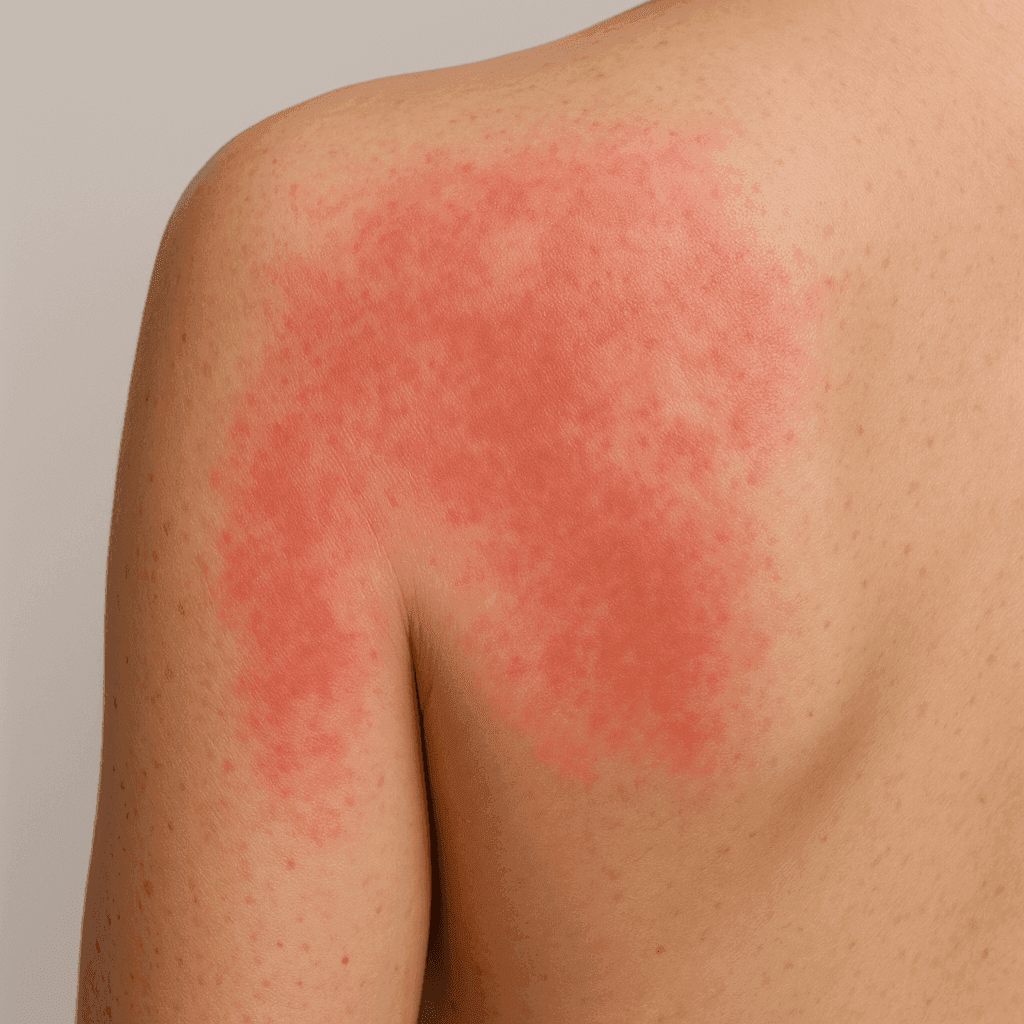
Facial Erythema – Causes and Treatment
Understanding and managing facial erythema effectively.
Introduction
Facial erythema, commonly referred to as facial redness, is a condition characterized by visible redness on the face. It can occur temporarily due to emotions or permanently due to underlying conditions. Understanding its causes and treatments is crucial for effective management. This article provides a comprehensive overview of facial erythema, including potential causes, treatment options, and preventive measures.
What is Facial Erythema?
Facial erythema is defined by persistent redness on the face, often accompanied by warmth or irritation. Symptoms can include flushed skin, visible blood vessels, and skin sensitivity. People often confuse facial erythema with simple blushing or rosacea, though it's important to distinguish these conditions for appropriate treatment.
Causes of Facial Erythema
Genetic Factors
Some individuals inherit a predisposition to skin conditions that cause erythema. Genetic factors can influence how your skin responds to various stimuli, including temperature changes and stress.
Environmental Triggers
Exposure to sunlight is a common trigger. UV rays can exacerbate redness, making sun protection vital. Weather conditions, such as wind and cold, also strip moisture, leading to increased redness.
Lifestyle Influences
Diet plays a significant role; spicy foods and alcohol can dilate blood vessels, causing redness. Stress is another factor, as it can lead to flare-ups through hormonal changes.
Medical Conditions
Conditions like rosacea, lupus, and allergies can manifest as facial redness. Each requires specific medical attention and treatment.
Diagnosing Facial Erythema
When facial redness persists, it's important to consult a dermatologist. They may perform diagnostic tests such as skin biopsies or blood tests to rule out conditions like lupus or rosacea. Accurate diagnosis is essential for effective treatment.
Treatment Options for Facial Erythema
Topical Treatments
Over-the-counter creams with soothing agents can reduce redness. Prescription options include creams with metronidazole or azelaic acid.
Oral Medications
Antibiotics and anti-inflammatory drugs can be prescribed for more severe cases to reduce inflammation and control symptoms.
Laser and Light Therapies
Laser treatments, such as pulsed dye laser, target blood vessels to reduce redness. While effective, they may have side effects like temporary swelling.
Natural and Home Remedies
Herbal treatments such as chamomile or green tea extracts can provide relief. Adjusting your skincare routine to include gentle, hydrating products is also beneficial.
Preventing Facial Erythema
Identifying and avoiding personal triggers is key. Using protective skincare, such as broad-spectrum sunscreen, helps prevent UV-induced redness. Regular use of moisturizers can protect against environmental damage.
Lifestyle Modifications for Managing Facial Erythema
Dietary changes, like reducing alcohol and spicy foods, can help. Stress management techniques, such as yoga or meditation, may reduce flare-ups by lowering stress-induced hormone levels.
When to Seek Professional Help
Seek medical advice if redness is persistent or worsening. Dermatologists can offer long-term management plans tailored to individual needs, possibly including lifestyle adjustments and medication.
FAQs About Facial Erythema
What is the difference between facial erythema and rosacea?
While both conditions involve redness, rosacea includes additional symptoms like pustules and eye irritation. Facial erythema may not have these.
Can facial erythema be cured permanently?
While some causes can be managed, others may require ongoing treatment. Permanent cure depends on the underlying cause.
Are there any effective natural remedies for facial redness?
Natural remedies, like chamomile compresses, can provide temporary relief but are not substitutes for professional treatments.
How does sun exposure affect facial erythema?
Sun exposure can exacerbate redness, making sun protection crucial.
What are the best skincare products for managing facial redness?
Products with calming ingredients like niacinamide and aloe vera are beneficial.
How can lifestyle changes help reduce facial erythema?
Lifestyle changes, such as reducing stress and dietary modifications, can significantly lower the frequency and severity of flare-ups.