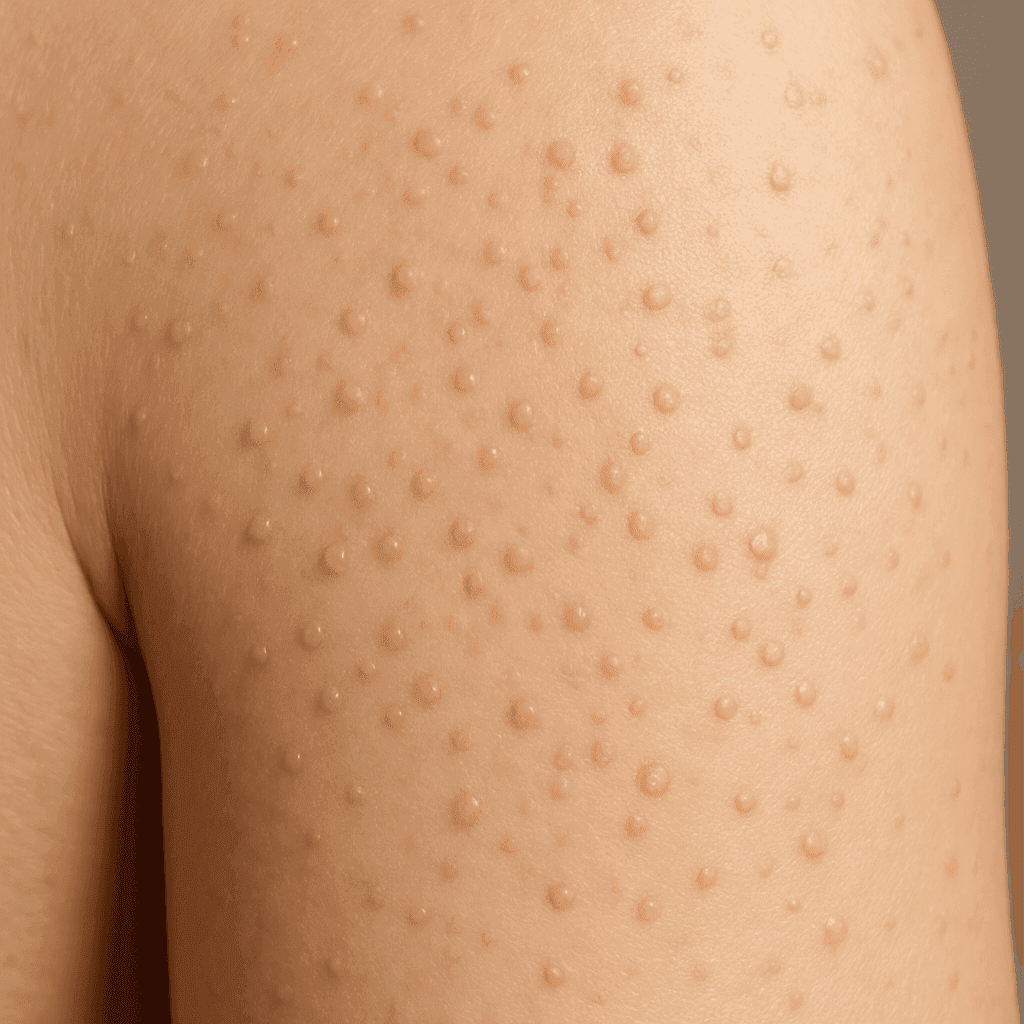
Flat warts (Verruca plana)
Understanding and managing flat warts effectively.
Introduction
Flat warts, also known as verruca plana, are a common dermatological concern that can affect individuals of all ages. These skin lesions are typically small and smooth, often appearing in clusters on the face, hands, and legs. Understanding flat warts is crucial for effective management and prevention, as they can be persistent and sometimes embarrassing for those affected. While not dangerous, they can be unsightly and may cause discomfort. This article aims to provide a comprehensive guide on the causes, symptoms, and treatment options for flat warts, emphasizing the importance of professional medical advice.
What are Flat Warts?
Flat warts are benign skin growths caused by certain strains of the human papillomavirus (HPV). They are characterized by their flat-topped, smooth appearance, which distinguishes them from other types of warts, such as common warts that have a rough surface. These warts are generally small, measuring around 1-3 millimeters in diameter, and can be flesh-colored, pink, or brown. Commonly found on the face, neck, backs of the hands, and legs, flat warts often appear in clusters, making them more noticeable.
Causes of Flat Warts
Flat warts are primarily caused by specific strains of HPV, particularly types 3, 10, 28, and 49. The virus is transmitted through direct contact with an infected person or by touching surfaces that have been contaminated with the virus. Risk factors for developing flat warts include cuts or abrasions on the skin, a weakened immune system, and frequent wet environments, which can facilitate the virus's spread. It is essential to understand these risk factors to adopt preventive measures against the spread of flat warts.
Symptoms of Verruca Plana
Flat warts are usually painless and asymptomatic, but their appearance can be a source of cosmetic concern. They are often mistaken for other skin conditions due to their flat and smooth nature. Unlike other warts, flat warts do not typically have a rough surface or dark specks. Comparing flat warts with other types of warts, like plantar or common warts, can help in identifying them accurately. Noticing multiple small, flat lesions on the skin should prompt consideration of verruca plana, especially in areas prone to frequent contact or irritation.
Diagnosis of Flat Warts
Visiting a dermatologist is important when dealing with persistent or uncertain skin lesions. A healthcare professional can perform a visual examination to diagnose flat warts and may use dermatoscopy for a closer inspection. In some cases, a biopsy may be performed if the diagnosis is uncertain or to rule out other skin conditions. Early diagnosis and treatment can prevent the spread of flat warts and minimize their cosmetic impact.
Treatment Options for Flat Warts
Medical Treatments
Prescription medications, such as topical retinoids, are often used to treat flat warts by promoting skin peeling and reducing the size of the warts. Cryotherapy and laser treatments are other options that involve freezing or burning the warts to remove them. These methods are generally effective but may require multiple sessions.
Home Remedies
Over-the-counter solutions, like salicylic acid, can be applied directly to the warts to gradually remove them. Natural remedies, such as applying tea tree oil or apple cider vinegar, are popular for their purported antiviral properties, though scientific evidence supporting their efficacy is limited. It's important to approach home treatments with caution and consult a healthcare provider if needed.
Prevention of Flat Warts
Preventing the spread of flat warts involves practicing good personal hygiene and avoiding direct contact with warts on other people or oneself. Regular hand washing and keeping skin clean and dry can help reduce the risk of transmission. Using personal items such as towels and razors separately can prevent cross-contamination. Educating children and adults alike on these practices is vital in reducing the incidence of flat warts.
Flat Warts in Specific Populations
Children
Children are more susceptible to flat warts due to frequent skin-to-skin contact in settings like schools and playgrounds. Their immune systems are still developing, making them more vulnerable to HPV infections. Treatment for children should be gentle, often starting with less invasive options.
Adults
In adults, flat warts can present cosmetic challenges, especially when located on visible areas such as the face and hands. Adults might require more aggressive treatment to remove warts that persist or cause embarrassment. In both populations, maintaining skin integrity and immune health is crucial for prevention.
Flat Warts vs. Other Skin Conditions
Flat warts can be confused with other skin lesions such as molluscum contagiosum or acne due to their appearance. Accurate diagnosis by a healthcare professional ensures proper treatment. Differentiation is key, as treatment options vary significantly between conditions. Consulting a dermatologist can prevent misdiagnosis and inappropriate self-treatment.
Conclusion
Understanding flat warts is essential for their effective management and prevention. While they are generally harmless, they can be cosmetically unappealing and contagious. Professional advice should be sought to confirm the diagnosis and explore appropriate treatment options. Remember, an informed approach to skin health can significantly reduce the impact of conditions like verruca plana.
FAQ
What is the best treatment for flat warts?
The best treatment varies based on individual cases and may include topical medications, cryotherapy, or laser treatments. Consulting a dermatologist is advised.
Are flat warts contagious?
Yes, flat warts are contagious and can spread through direct contact with an infected person or contaminated surfaces.
How long do flat warts last without treatment?
Without treatment, flat warts may persist for months or even years, depending on the individual's immune response.
Can flat warts appear on the face?
Yes, flat warts commonly appear on the face, particularly in areas frequently touched or shaved.
Is it possible to prevent flat warts?
Prevention is achievable through good hygiene practices and avoiding direct contact with warts.
Do flat warts go away on their own?
In some cases, flat warts may resolve spontaneously as the immune system clears the virus, but this can take considerable time.