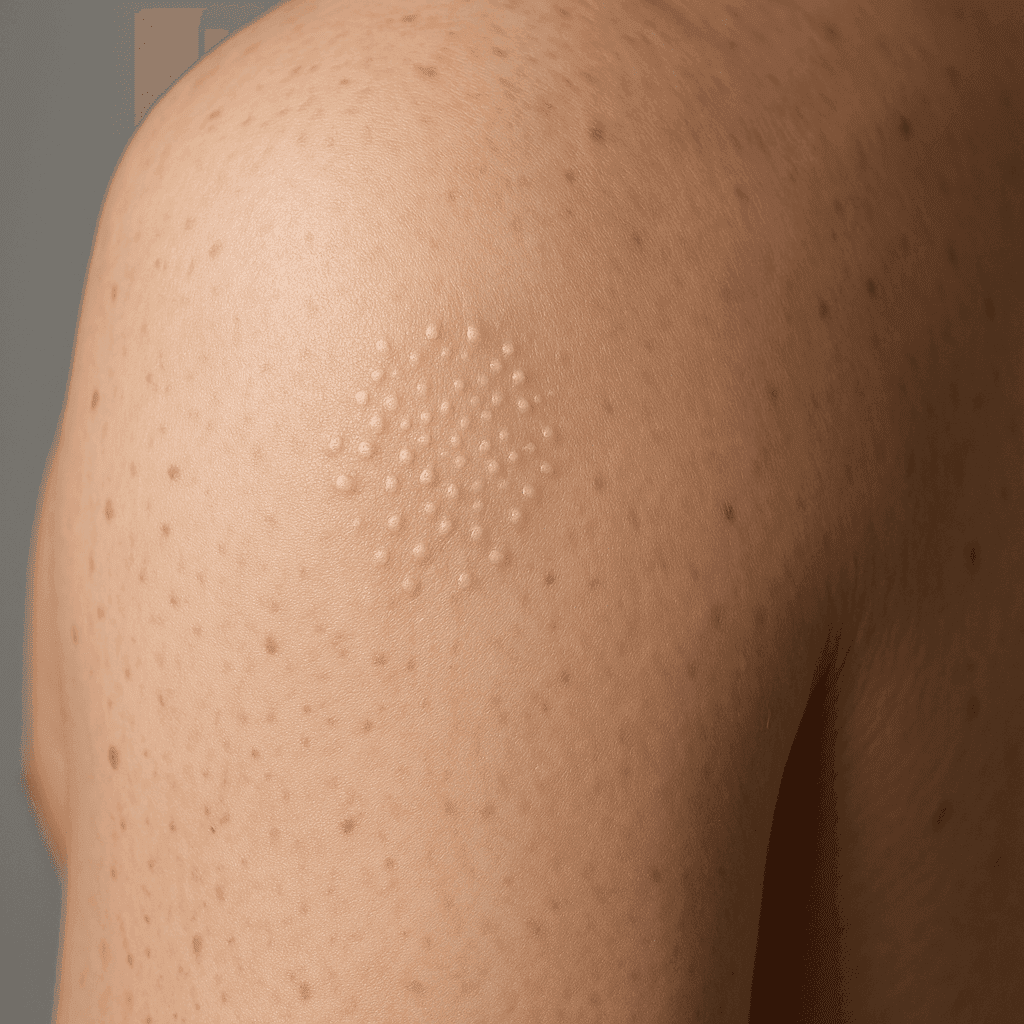
Fordyce Spots – Sebaceous Glands on the Lips and Genitals
Understanding Fordyce spots and their management.
Introduction
Fordyce spots are small, pale, raised bumps that appear on the lips, inside the cheeks, and on the genitals. These spots are common and harmless, often considered a natural part of the skin's anatomy. Understanding Fordyce spots can help alleviate concerns and guide individuals in managing them effectively.
What Are Fordyce Spots?
Fordyce spots are essentially visible sebaceous glands without hair follicles. They are typically 1 to 3 millimeters in diameter and may appear yellowish or pale in color. These spots commonly occur on the lips, inside the cheeks, and the genital area. Although they are benign, their appearance can cause cosmetic concerns for some individuals.
Causes of Fordyce Spots
Fordyce spots are caused by the presence of ectopic sebaceous glands. These glands are normally found in hair-bearing areas and their occurrence in non-hair bearing areas like lips and genitals is what leads to the appearance of Fordyce spots. Genetic factors can influence the number and visibility of these spots. Hormonal changes, especially during puberty, can also increase their prominence.
Symptoms and Identification
Fordyce spots are characterized by their size, color, and location. They are generally painless and do not itch or cause discomfort. However, distinguishing them from other skin conditions like herpes or sebaceous hyperplasia is crucial. Fordyce spots are non-inflammatory and do not contain pus, which differentiates them from acne or other infections.
Diagnosis of Fordyce Spots
While Fordyce spots are usually identified based on their appearance, consulting a dermatologist is advisable if there is any doubt. Dermatologists can provide a definitive diagnosis through visual examination and, if necessary, a biopsy to rule out other conditions. It is important to seek professional advice if the spots change in appearance or if other symptoms are present.
Treatment Options for Fordyce Spots
Fordyce spots are generally benign and do not require treatment. However, for cosmetic reasons, some individuals may seek interventions. Over-the-counter treatments like creams containing retinoids may help reduce the appearance of these spots. Prescription medications, including topical agents, can be recommended by dermatologists. For more persistent cases, laser treatments or electrosurgery can be considered.
Home Remedies and Natural Treatments
While there are no guaranteed home remedies for Fordyce spots, some natural treatments may help minimize them. These include applying coconut oil, which can keep the skin moisturized, or using apple cider vinegar due to its astringent properties. It is important to exercise caution and avoid harsh treatments that could irritate the skin.
Prevention Tips
While it is not possible to completely prevent Fordyce spots, maintaining a healthy skincare routine can help. This includes regular cleansing and moisturizing, avoiding harsh skin products, and protecting the lips and skin from excessive sun exposure. Lifestyle adjustments such as a balanced diet and hydration can also support skin health.
Fordyce Spots vs. Other Conditions
Fordyce spots can sometimes be confused with other conditions like herpes or sebaceous hyperplasia. Herpes lesions are typically painful and blister-like, whereas sebaceous hyperplasia appears as enlarged oil glands with a central depression. Understanding these differences is crucial for proper identification and management.
Myths and Facts About Fordyce Spots
There are many misconceptions surrounding Fordyce spots, such as the belief that they are contagious or a sign of poor hygiene. In reality, they are a normal anatomical variation and are not infectious. Educating oneself about these scientific facts can help dispel myths and reduce unnecessary anxiety.
Fordyce Spots and Oral Health
Fordyce spots on the lips or inside the cheeks do not usually impact oral health. However, maintaining good oral hygiene is important to prevent other oral conditions. Regular dental check-ups and proper brushing and flossing can contribute to overall oral well-being.
When to Consult a Dermatologist
While Fordyce spots are harmless, there are situations where consulting a dermatologist is advisable. If the spots change in appearance, become bothersome, or if there is uncertainty about the diagnosis, professional evaluation is important. Dermatologists can provide reassurance and recommend appropriate treatments if desired.
FAQ About Fordyce Spots
- Are Fordyce spots contagious? No, they are not contagious.
- Can Fordyce spots turn into cancer? They are benign and not associated with cancer.
- Do Fordyce spots go away on their own? They may become less noticeable with time.
- Is there a permanent cure for Fordyce spots? No permanent cure, but treatments can reduce visibility.
- Can diet affect Fordyce spots? A balanced diet supports overall skin health.
- How common are Fordyce spots in the general population? They are quite common and affect many individuals.