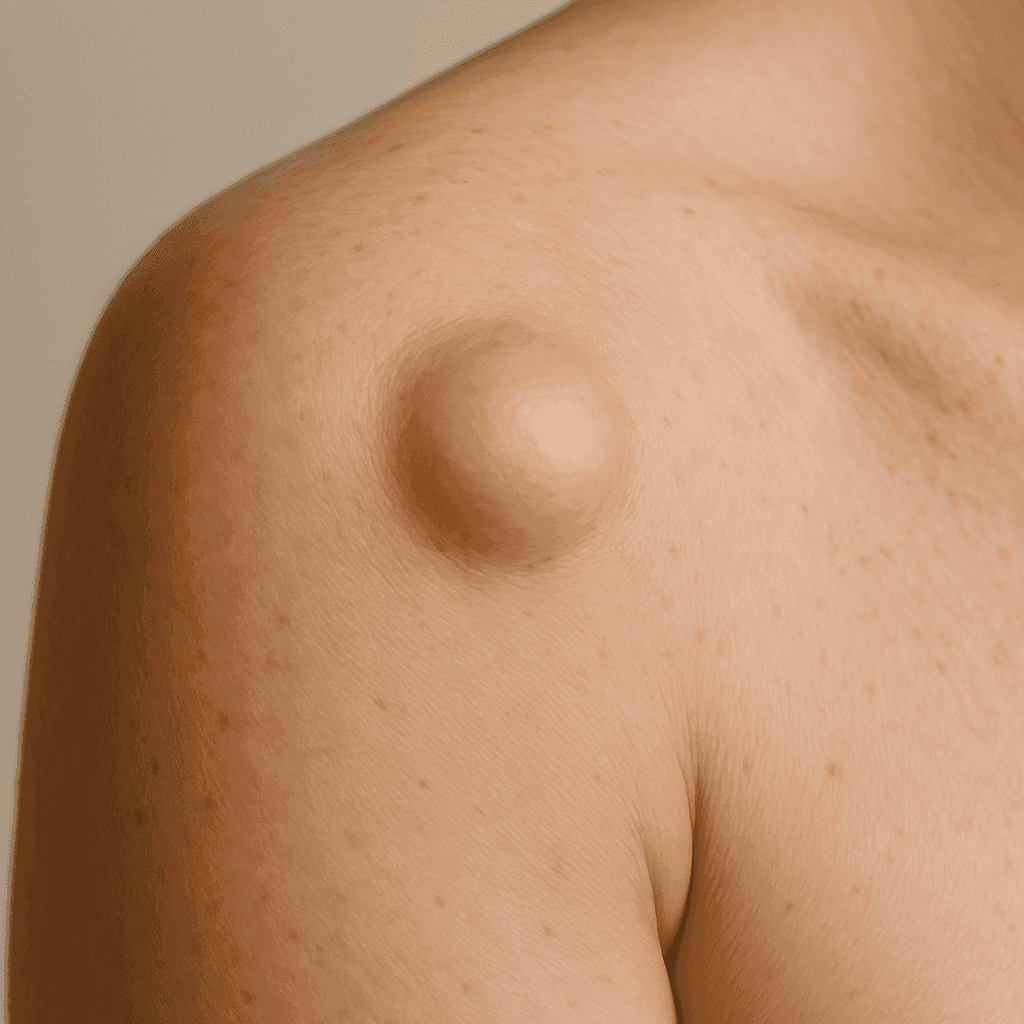
Hard Lump Under the Skin – When Does It Require Medical Evaluation?
Understand when a skin lump needs medical attention.
Introduction
Skin lumps are common occurrences that can vary in size, texture, and cause. While many are benign, understanding the characteristics and potential risks associated with these lumps is crucial. A medical evaluation can help determine the nature of a lump and whether it requires treatment. Early assessment by a healthcare professional ensures peace of mind and appropriate care when needed.
Understanding Skin Lumps
A skin lump is a localized swelling that can appear anywhere on the body. These lumps can be hard, soft, movable, or fixed and may or may not cause pain. The most common types of skin lumps include cysts, lipomas, and more serious conditions like cancerous tumors. Recognizing the common characteristics of skin lumps can aid in identifying whether a lump is benign or potentially harmful.
Causes of Hard Lumps Under the Skin
Benign Causes
The most frequent benign causes of hard lumps under the skin include lipomas and cysts. Lipomas are soft, fatty tissues that grow slowly and are typically harmless. Cysts, on the other hand, are fluid-filled sacs that can vary in size and become infected or inflamed.
Malignant Causes
While less common, some hard lumps may indicate cancerous tumors. These lumps usually grow rapidly and can be accompanied by other symptoms, such as unexplained weight loss or fatigue.
Other Potential Causes
Infections, such as abscesses, can cause painful, red lumps under the skin. Additionally, injuries or trauma can result in hematomas or other lumps that require medical attention.
Symptoms Indicating a Need for Medical Evaluation
Size and Growth Rate
A lump that grows rapidly or exceeds 2 centimeters in diameter should be evaluated by a healthcare professional.
Pain and Tenderness
While some lumps are painless, those that cause discomfort or tenderness might indicate an underlying issue requiring further investigation.
Changes in Color or Texture
Lumps that change color, texture, or exhibit signs of infection, such as redness or warmth, should be assessed promptly.
Accompanying Symptoms
Pay attention to additional symptoms, such as fever, fatigue, or unexplained weight loss, which may signal a more serious condition.
Diagnostic Procedures
Physical Examination
A healthcare provider will typically begin with a physical exam to assess the lump's characteristics, such as size, texture, and mobility.
Imaging Tests
If needed, imaging tests like ultrasound or MRI can provide more detailed information about the lump's structure and location.
Biopsy
In certain cases, a biopsy may be required to analyze the lump's tissue and determine if it is benign or malignant.
Treatment Options
Monitoring and Observation
For benign lumps like lipomas, doctors may recommend regular monitoring without immediate intervention.
Surgical Removal
Surgery may be necessary for lumps that cause discomfort, impair function, or have a risk of malignancy.
Medication and Therapy
Infections or inflammatory lumps might be treated with antibiotics or other medications to reduce symptoms and prevent complications.
Prevention and Monitoring
Regular Self-Examinations
Conduct regular self-examinations to familiarize yourself with your skin and notice any changes. This proactive approach can help identify lumps early.
When to Schedule Routine Check-Ups
Routine check-ups with a dermatologist can ensure any new or changing lumps are evaluated promptly. These visits are vital for maintaining skin health and catching potential issues early.
Conclusion
Understanding the nature of skin lumps and when to seek medical evaluation is essential for maintaining overall health. While many lumps are benign, any changes in size, color, or associated symptoms warrant professional assessment. Early medical advice can provide reassurance and guide appropriate treatment if necessary.
FAQs
Frequently Asked Questions
-
What does a cancerous lump feel like?
Cancerous lumps are typically hard, irregular in shape, and may grow rapidly. They are often painless. -
Can a hard lump under the skin be harmless?
Yes, many hard lumps, such as lipomas and cysts, are harmless and do not require treatment. -
How long should I wait before consulting a doctor about a lump?
Consult a doctor if a lump grows quickly, changes in appearance, or is accompanied by other symptoms. -
Are there home remedies for treating lumps under the skin?
While some benign lumps may not require treatment, always seek medical advice before trying home remedies. -
What tests are done to diagnose a skin lump?
A physical exam, imaging tests, and possibly a biopsy are used to diagnose skin lumps. -
Can a lump under the skin go away on its own?
Some lumps, particularly those caused by minor injuries or infections, may resolve without treatment, but monitoring and medical advice are important.