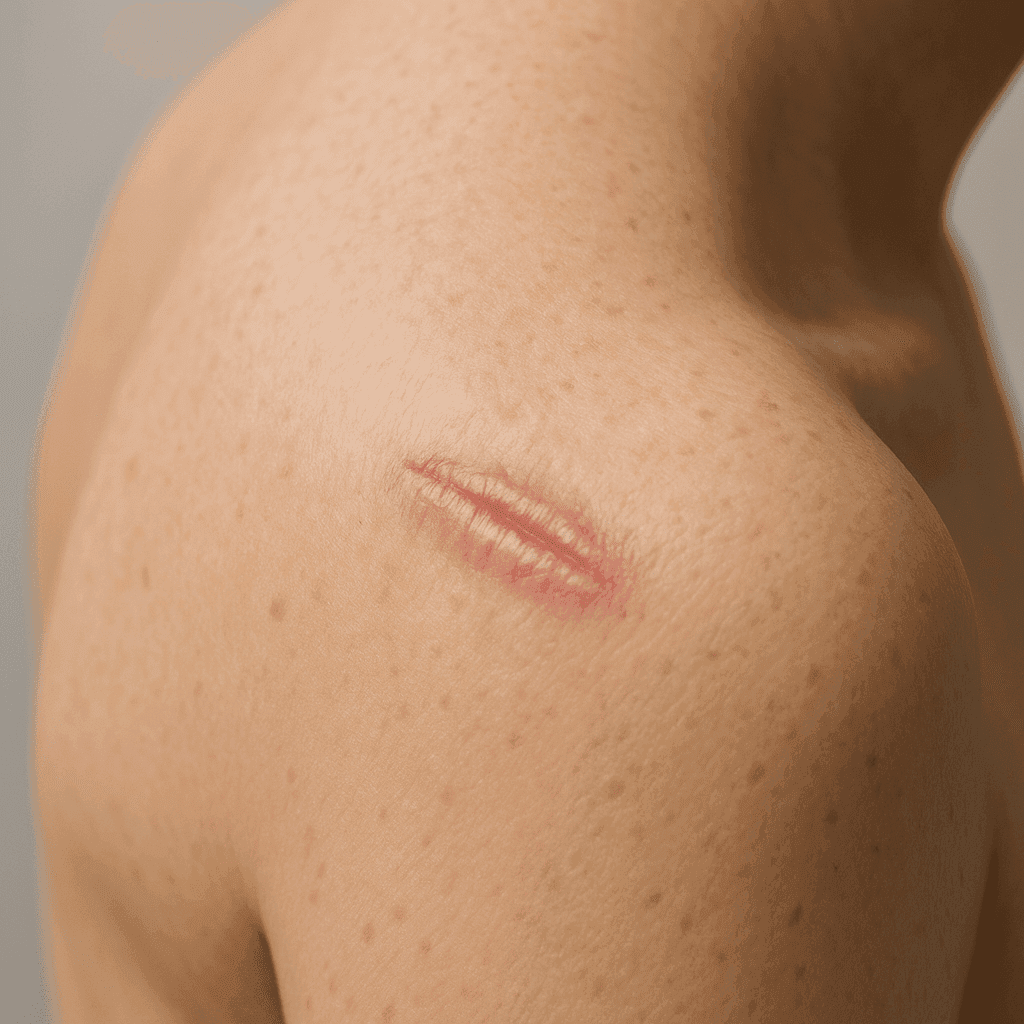
Healing Wounds After Dermatologic Procedures: Tips and Care
Effective post-procedure care for optimal skin healing.
Introduction
Proper wound care after dermatologic procedures is crucial for optimal healing and to prevent complications. These procedures, ranging from minor surgeries to cosmetic treatments, can leave the skin vulnerable to infection and scarring if not properly managed. Understanding how to care for your skin post-procedure can significantly enhance recovery and ensure the best possible outcomes.
Dermatologic procedures such as mole removals, laser treatments, and chemical peels are common and can be performed for both medical and aesthetic reasons. Each procedure has unique post-care requirements, but general guidelines can help you navigate the healing process effectively.
Understanding the Healing Process
The skin undergoes several stages of healing after a procedure. Initially, the inflammatory stage sets in, characterized by redness, swelling, and heat as the body begins to repair itself. This is followed by the proliferative stage, where new tissue forms, and finally, the maturation stage, where the skin strengthens and matures.
Factors Affecting Healing Time
Several factors influence how quickly your skin heals, including the type of procedure, your overall health, and adherence to post-care instructions. Individuals with underlying health conditions such as diabetes may experience prolonged healing times. Lifestyle factors like smoking and diet also play a crucial role.
Essential Post-Procedure Care Tips
Immediate Care After the Procedure
After a dermatologic procedure, it’s essential to follow the immediate care instructions provided by your dermatologist. This typically includes cleaning the area with a gentle, non-irritating cleanser and applying any prescribed ointments or dressings to protect the wound.
Daily Skin Care Routine for Optimal Healing
Establish a daily routine that includes gentle cleansing, moisturizing, and sun protection. Avoid exfoliants and active ingredients like retinol or alpha hydroxy acids unless recommended by your dermatologist. Consistency in following your care routine can significantly enhance healing.
Managing Common Post-Procedure Symptoms
Redness and Swelling
Redness and swelling are common after skin procedures and typically resolve within a few days. Applying a cold compress can help reduce swelling, while products containing aloe vera or chamomile may soothe redness.
Itching and Discomfort
Itching is a natural part of the healing process but can be managed with over-the-counter antihistamines or gentle moisturizers. Avoid scratching the area to prevent irritation or infection.
Bruising and Tenderness
Bruising is more common with certain procedures, such as injections or laser treatments. Arnica cream and applying ice can help reduce bruising and tenderness.
Preventing Complications
Signs of Infection to Watch For
Being vigilant about infection signs is critical. Look out for increased redness, swelling, pus, or unusual pain. If you experience fever or chills, contact your dermatologist immediately.
When to Contact Your Dermatologist
You should contact your dermatologist if you notice signs of infection or if your symptoms worsen instead of improving. Timely intervention can prevent complications and promote faster healing.
Choosing the Right Products for Healing
Recommended Ingredients for Skin Repair
Opt for products that contain soothing and hydrating ingredients such as hyaluronic acid, glycerin, and ceramides. These help maintain moisture and support the skin’s barrier function.
Products to Avoid During Recovery
Avoid products containing alcohol, fragrances, or harsh chemicals, as they can irritate healing skin. Consult your dermatologist before introducing any new skincare products into your regimen.
Lifestyle Adjustments for Better Healing
Diet and Nutrition
A healthy diet rich in vitamins and minerals supports skin healing. Foods high in vitamin C, zinc, and omega-3 fatty acids can be particularly beneficial. Stay hydrated to help your skin recover efficiently.
Avoiding Sun Exposure
Protect your skin from the sun by wearing a broad-spectrum sunscreen with an SPF of at least 30. Sun exposure can worsen redness and increase the risk of scarring, so it’s crucial to take protective measures whenever you’re outdoors.
Reducing Scarring and Enhancing Skin Appearance
Techniques to Minimize Scarring
Apply silicone gel sheets or creams to help reduce scarring. Massaging the area gently can also promote collagen production and improve the skin’s appearance over time.
Long-term Skin Care for Procedure Areas
Continue caring for your skin with gentle cleansers and moisturizers. Regularly use sun protection to maintain the health and appearance of treated areas. Consult regularly with your dermatologist to tailor your skincare regimen to your evolving needs.
FAQs
Frequently Asked Questions
How long does it typically take for skin to heal after a dermatologic procedure?
Healing times can vary depending on the procedure and individual factors, ranging from a few days to several weeks.
What should I avoid doing after a skin procedure?
Avoid activities that could stress the skin, such as heavy exercise, hot showers, and using harsh skincare products.
Can I wear makeup after my dermatologic procedure?
Consult your dermatologist about makeup use, as some procedures require a period without makeup to allow the skin to heal properly.
How can I reduce the risk of infection after my procedure?
Maintain a clean environment for your healing skin by following your dermatologist’s aftercare instructions and avoiding touching the treated area with unclean hands.
Are there natural remedies that can aid in the healing process?
Natural remedies like aloe vera and honey can support healing but should be used with caution and under professional guidance.
When should I be concerned about the healing process?
If you notice persistent redness, swelling, or signs of infection, consult your dermatologist for further evaluation.