Heat Rash in Children: Symptoms and Treatment
Understanding heat rash in children and how to treat it.
Introduction
Heat rash, also known as prickly heat or miliaria, is a common skin condition in children, particularly during the warmer months. It occurs when sweat ducts become blocked, leading to inflammation and the formation of small, itchy red bumps on the skin. Understanding how to recognize the symptoms and provide effective treatment is crucial for parents and caregivers. This article aims to provide a comprehensive overview of heat rash in children, including its causes, symptoms, and treatments, to help manage this often uncomfortable condition effectively.
What is Heat Rash?
Heat rash is a skin irritation that occurs when sweat is trapped beneath the skin, causing inflammation. It is most common in hot, humid climates where sweating is more prevalent. There are several types of heat rash, including:
- Miliaria crystallina: The mildest form, characterized by clear, fluid-filled blisters and bumps that do not itch or cause discomfort.
- Miliaria rubra: Also known as prickly heat, this type causes red bumps and itching or a prickling sensation.
- Miliaria profunda: A less common form, appearing as flesh-colored lesions and more likely to occur in adults.
Understanding the type of heat rash can aid in selecting the appropriate treatment approach.
Symptoms of Heat Rash in Children
The symptoms of heat rash can vary depending on the type and severity. Common signs include:
- Small red bumps or blisters on the skin
- Itchy or prickly sensation
- Affected areas often include the neck, chest, back, and folds of the skin
Differences in Symptoms by Age Group
In infants, heat rash typically presents as small red bumps on the face, neck, and upper chest, whereas older children may experience itching and discomfort in areas where clothing causes friction.
Recognizing these symptoms early can help prevent the rash from worsening and becoming more uncomfortable for the child.
Causes and Risk Factors
Heat rash is primarily caused by blocked sweat ducts, but several factors can increase the risk:
- Environmental factors: High temperatures and humidity levels create conditions conducive to excessive sweating and heat rash.
- Age-related susceptibility: Infants and young children are more prone to heat rash due to their smaller sweat glands and underdeveloped ability to regulate temperature.
- Clothing and skin care products: Tight clothing and certain skincare products can exacerbate the condition by trapping sweat against the skin.
Understanding these risks can help in taking preventive measures to protect children from developing heat rash.
Diagnosing Heat Rash
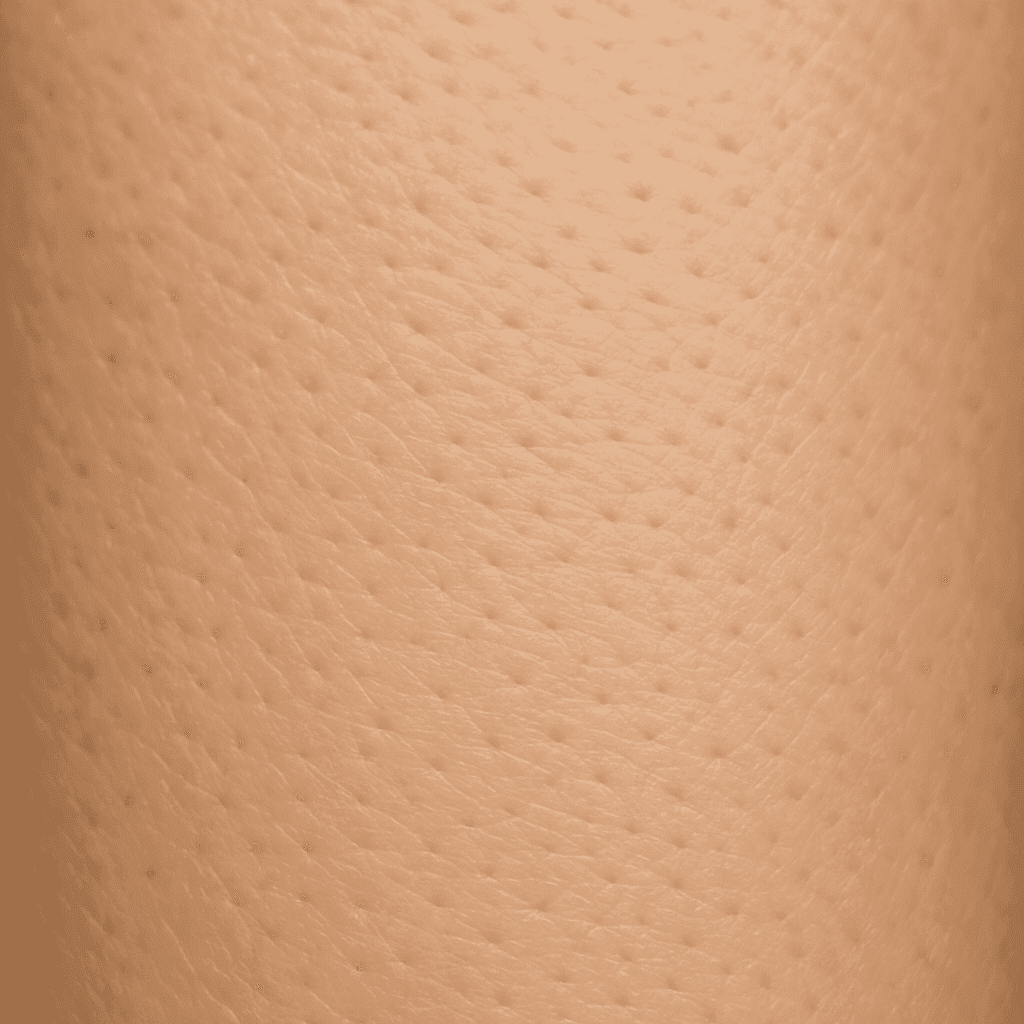
Identifying heat rash involves recognizing its characteristic appearance. Parents and caregivers can look for clusters of small, red bumps or blisters on the skin. These typically appear in areas prone to sweating, such as the neck, chest, and back.
Differentiating Heat Rash from Other Skin Conditions
While heat rash is generally easy to identify, it is important to differentiate it from other skin conditions such as eczema or allergic reactions, which may require different treatments. Consulting a healthcare professional is recommended if there is any uncertainty about the diagnosis.
Treatment for Heat Rash in Children
Treating heat rash involves alleviating symptoms and addressing the underlying causes. Here are some immediate steps and treatments:
- Immediate steps: Move the child to a cooler, less humid environment and remove any excess clothing.
- Over-the-counter treatments: Use calamine lotion or hydrocortisone cream to soothe itching and irritation.
- Prescription medications: In severe cases, a doctor may prescribe stronger topical treatments.
- Home remedies and natural treatments: Applying a cold compress or oatmeal baths can provide relief.
Ensuring that the skin is kept cool and dry is essential in managing heat rash effectively.
Preventing Heat Rash in Children
Preventing heat rash involves strategic measures to keep the child cool and comfortable:
- Tips for keeping children cool: Use fans or air conditioning and ensure children take frequent breaks from outdoor play in hot weather.
- Clothing choices and skin care: Dress children in loose, breathable fabrics and avoid tight-fitting clothing that can trap sweat.
- Hydration and environmental considerations: Encourage regular fluid intake and avoid heavily scented lotions or creams that can irritate the skin.
By taking these preventive steps, parents can significantly reduce the likelihood of heat rash occurring in children.
When to See a Doctor
While heat rash often resolves on its own, there are certain instances where medical attention may be necessary:
- Signs that require medical attention: If the rash shows signs of infection, such as pus or increased pain, seek medical advice.
- Possible complications of untreated heat rash: Prolonged irritation can lead to skin infections or other complications.
Consulting a healthcare provider ensures appropriate treatment and prevents complications.
FAQs About Heat Rash in Children
What is the best way to treat heat rash in a toddler?
Ensuring the toddler is in a cool environment and applying soothing treatments like calamine lotion can alleviate symptoms.
Can heat rash be a sign of something more serious?
While generally harmless, persistent or severe rashes should be evaluated by a doctor to rule out other conditions.
How long does it typically take for heat rash to clear up?
With proper care, heat rash usually resolves within a few days.
Are there specific products to avoid for children prone to heat rash?
Avoid using heavy creams or ointments that can block sweat ducts, and opt for lightweight, non-comedogenic products.
Is it safe to use adult heat rash creams on children?
Always consult a doctor before using adult products on children, as they may contain higher concentrations of active ingredients.
Can diet affect the likelihood of developing heat rash in children?
While diet does not directly cause heat rash, ensuring children are well-hydrated is important in preventing overheating.