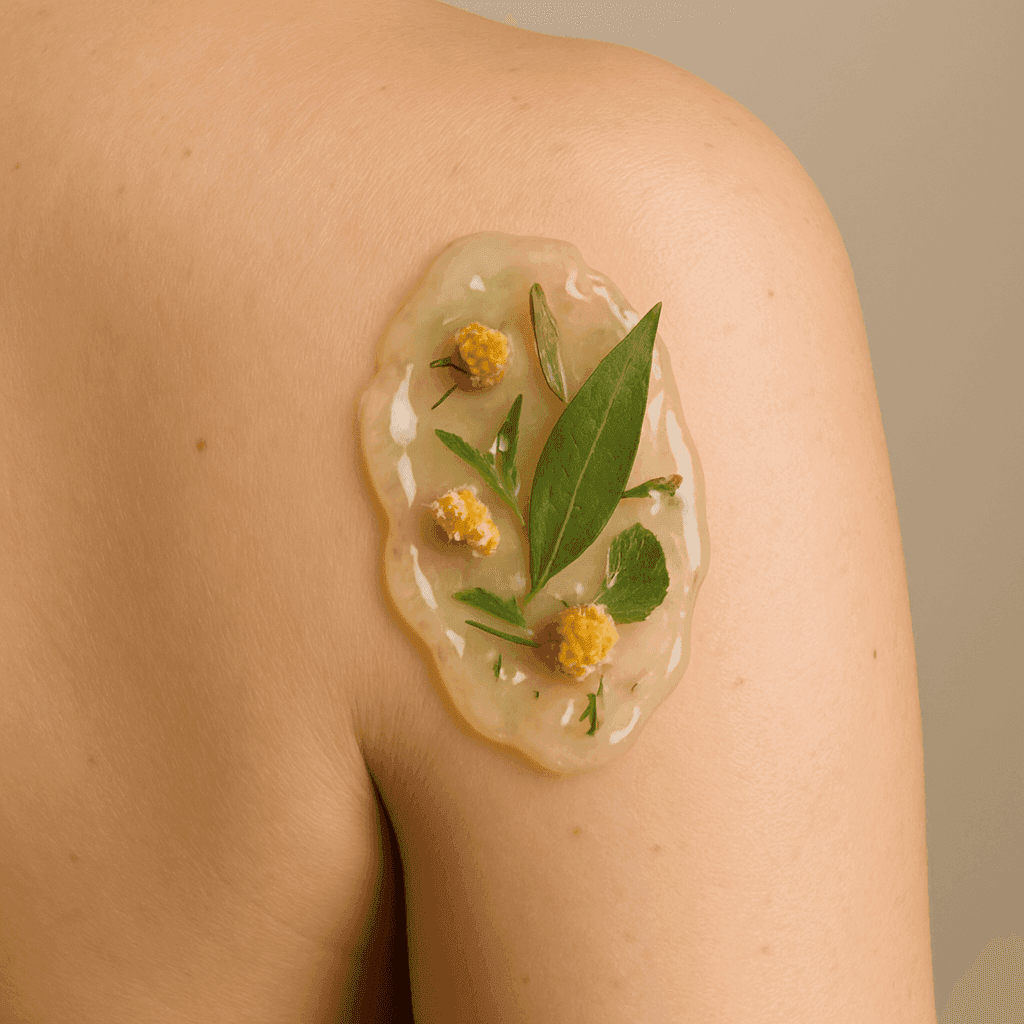
Herbs and Natural Ingredients in Skin Care: Aloe, Chamomile and More
Explore aloe and chamomile benefits for skin care.
Introduction
In recent years, the trend toward natural ingredients in skin care has gained significant traction. Consumers are increasingly seeking products that harness the power of nature, and herbs like aloe vera and chamomile are often at the forefront of these formulations. Understanding the potential benefits and applications of these ingredients can empower you to make informed choices about your skin care regimen. This article delves into the properties of aloe vera and chamomile, exploring how they can be integrated into daily skin care routines for enhanced skin health.
Aloe Vera in Skin Care
What is Aloe Vera?
Aloe vera is a succulent plant that has been used for centuries in traditional medicine and skin care. Native to the Arabian Peninsula, it is now cultivated worldwide, particularly in tropical climates. The gel-like substance found within its leaves is rich in vitamins, minerals, and amino acids, making it a popular ingredient in many skin care products.
Benefits of Aloe Vera for Skin
Aloe vera is renowned for its hydrating and moisturizing properties, making it ideal for dry or dehydrated skin. Its soothing effects are particularly beneficial for relieving sunburn and other forms of skin irritation. Additionally, aloe vera is often praised for its healing and anti-inflammatory actions, which can help reduce redness and support skin recovery.
How to Use Aloe Vera
Incorporating aloe vera into your skin care routine can be simple and effective. Consider using aloe vera gel as a moisturizer or a soothing mask. You can also find a variety of products containing aloe vera or try making your own DIY treatments by mixing aloe vera gel with other natural ingredients like honey or cucumber.
Chamomile in Skin Care
What is Chamomile?
Chamomile is a flowering plant known for its gentle and calming properties. There are two types commonly used in skin care: German chamomile and Roman chamomile. Historically, chamomile has been utilized in herbal medicine for its soothing effects, which are attributed to its high content of flavonoids and essential oils.
Benefits of Chamomile for Skin
Chamomile is particularly beneficial for sensitive and irritated skin due to its calming effects. Its antioxidant properties help protect the skin from environmental stressors, while its ability to reduce redness and inflammation makes it an excellent choice for those with reactive skin conditions.
How to Use Chamomile
Chamomile can be integrated into skin care routines in various ways. Chamomile tea can be used as a facial rinse, or you can apply chamomile-infused oils or creams to affected areas. For a DIY option, steep chamomile tea bags and apply the cooled liquid to your skin with a cotton pad.
Other Notable Herbs and Natural Ingredients
Lavender
Lavender is celebrated for its soothing and anti-inflammatory properties. It is often used in skin care products to help calm the skin and promote relaxation. Lavender oil can be diluted and applied to the skin to ease irritation and support skin healing.
Tea Tree Oil
Tea tree oil is renowned for its antimicrobial benefits, making it a popular choice for acne-prone skin. However, it should be used with caution, as it can be irritating to sensitive skin. Always dilute tea tree oil before applying it to the skin and consider performing a patch test prior to use.
Green Tea
Green tea is a powerhouse of antioxidants, offering anti-aging benefits and protection against oxidative stress. Incorporating green tea extracts or products into your skin care routine can help reduce the appearance of fine lines and maintain a youthful complexion.
Conclusion
The use of natural ingredients like aloe vera and chamomile in skin care offers a gentle and effective approach to maintaining skin health. These herbs provide a range of benefits, from soothing irritation to offering antioxidant protection. As you explore herbal options for your skin care routine, remember to choose products suited to your skin type and to consult with a dermatologist when needed. Embracing nature's bounty can lead to healthier skin and a more holistic approach to beauty.
FAQs
What are the best herbs for sensitive skin?
Herbs such as chamomile, calendula, and aloe vera are excellent for sensitive skin due to their calming and soothing properties.
Can aloe vera help with acne scars?
While aloe vera may not completely remove acne scars, its healing properties can help improve skin texture and reduce redness associated with scarring.
How often should I use chamomile on my skin?
Chamomile can be used daily, especially in the form of a diluted tea or infused product. However, it's always best to monitor your skin's response and adjust usage accordingly.
Are there any side effects of using natural ingredients in skin care?
While natural ingredients are generally safe, they can cause allergic reactions in some individuals. It's important to perform a patch test before trying a new product.
How do I choose the right herbal products for my skin type?
Select products that match your skin's specific needs, such as hydration for dry skin or soothing elements for sensitive skin. Consulting with a dermatologist can also provide personalized guidance.
Can I use aloe vera and chamomile together in my skin care routine?
Yes, aloe vera and chamomile can be used together as they complement each other's soothing and healing properties. They can be layered or used in combination products for enhanced benefits.