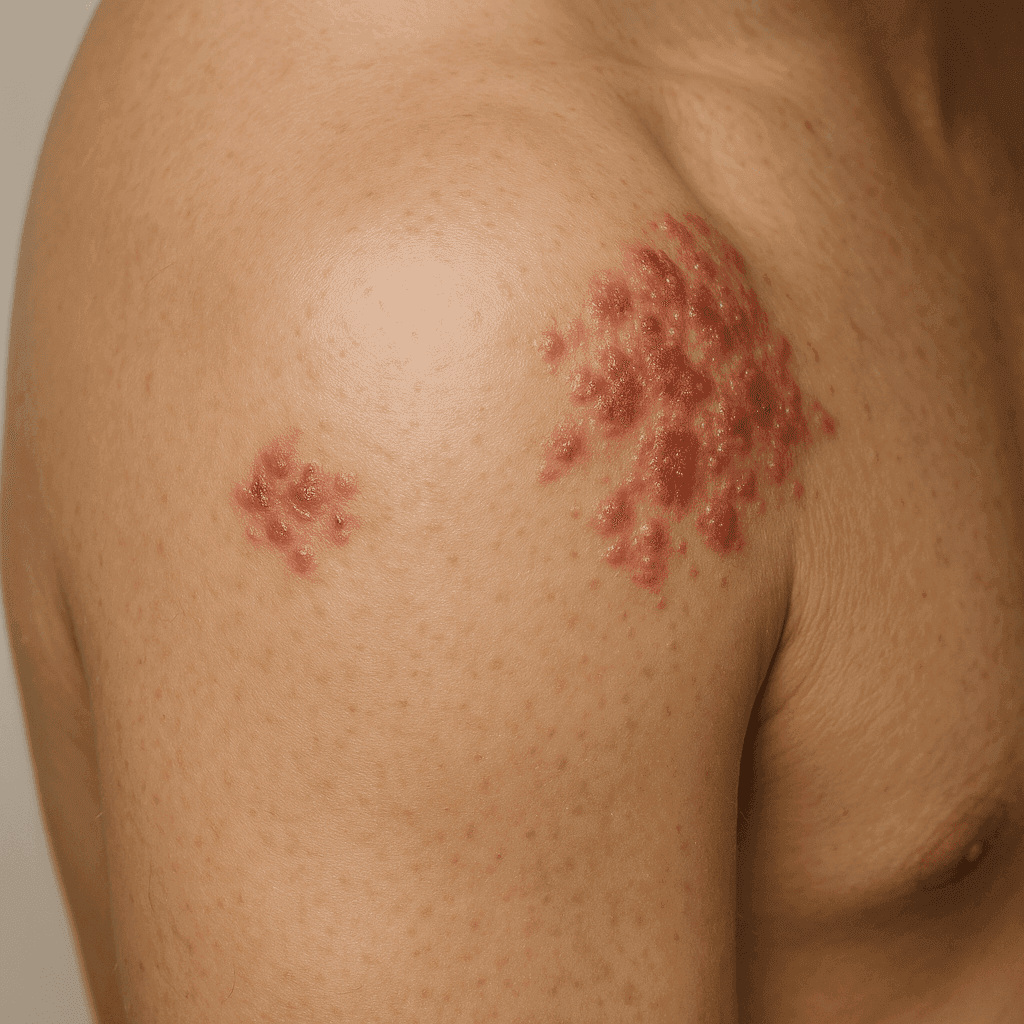
Herpes vs. Shingles: Symptoms and Prevention
Understanding differences and prevention.
Introduction
Herpes and shingles are viral infections that can cause significant discomfort. Despite sharing some similarities, these conditions are caused by different viruses and require distinct approaches for management and prevention. Understanding the differences and knowing how to prevent outbreaks can greatly enhance quality of life.
Understanding Herpes
What is Herpes?
Herpes is a viral infection caused by the herpes simplex virus, which is categorized into two types: HSV-1, commonly associated with oral herpes, and HSV-2, which primarily causes genital herpes. The virus is transmitted through direct contact with an infected individual, often during an active outbreak. Common triggers for recurrences include stress, illness, and exposure to sunlight.
Symptoms of Herpes
Initial symptoms of herpes may include tingling, itching, or burning sensations before the appearance of blisters. These blisters eventually break, leaving painful sores that may take weeks to heal. Recurrences are common and can be triggered by factors such as stress and fatigue.
Treatment and Management
Treatment typically involves antiviral medications, which can help reduce the severity and frequency of outbreaks. Lifestyle modifications, such as stress management and maintaining a healthy immune system, are also important in managing herpes.
Understanding Shingles
What is Shingles?
Shingles, also known as herpes zoster, is caused by the reactivation of the varicella-zoster virus, the same virus responsible for chickenpox. After a person recovers from chickenpox, the virus remains dormant in the nerve tissue and can reactivate years later as shingles. Risk factors include older age and weakened immune systems.
Symptoms of Shingles
Shingles typically starts with pain, itching, or tingling in a specific area, followed by the development of a rash. The rash often appears as a band of blisters that wraps around one side of the body. Postherpetic neuralgia, a condition of persistent nerve pain, can occur after the rash clears, especially in older adults.
Treatment and Management
Antiviral medications are most effective when started early, ideally within 72 hours of the rash appearing. Pain management strategies, including medications and topical treatments, are crucial in managing discomfort during and after an outbreak.
Comparing Herpes and Shingles
Key Differences
Herpes is caused by the herpes simplex virus, while shingles is due to the varicella-zoster virus. Herpes lesions are generally found around the mouth or genitals, whereas shingles typically affects one side of the body in a localized band-like pattern. The infection processes and the viruses responsible are distinct, requiring different management approaches.
Similarities
Both conditions involve pain and discomfort, and antiviral medications are used in the treatment of both infections. Pain management is a critical component of care in both cases, and the importance of early treatment cannot be overstated.
Prevention Strategies
Preventing Herpes Outbreaks
To reduce the frequency of herpes outbreaks, individuals can engage in safe practices, such as using protection during sexual activity and avoiding direct contact with open sores. Antiviral prophylaxis may be recommended for those with frequent recurrences. Maintaining a healthy immune system through diet, exercise, and stress management is also beneficial.
Shingles Vaccination
Shingles can be prevented with vaccination. The CDC recommends the shingles vaccine for adults aged 50 and older, as it significantly reduces the risk of developing shingles and its complications. The vaccine is both safe and effective, offering protection that lasts for several years.
Conclusion
Understanding the differences between herpes and shingles, recognizing symptoms early, and seeking appropriate treatment are crucial steps in managing these conditions. Prevention strategies, including vaccination and lifestyle adjustments, can help reduce the risk of outbreaks. Always consult with a healthcare provider for diagnosis and personalized treatment plans.
FAQs
Can herpes turn into shingles?
No, herpes and shingles are caused by different viruses and one cannot turn into the other. Herpes is caused by the herpes simplex virus, while shingles is due to the varicella-zoster virus.
Is shingles contagious like herpes?
Shingles can be contagious to individuals who have never had chickenpox or the vaccine, potentially causing them to develop chickenpox. Herpes is contagious during outbreaks or when symptoms are present.
How long do herpes and shingles outbreaks last?
Herpes outbreaks typically last 1-2 weeks, while shingles can last 2-4 weeks. Various factors, including the immune system's response, affect the duration.
Can stress trigger both herpes and shingles?
Yes, stress is a known trigger for outbreaks in both herpes and shingles. Managing stress through lifestyle changes can help reduce the frequency of outbreaks.
Are there any long-term health effects of herpes and shingles?
Herpes can lead to recurrent painful outbreaks, while shingles can result in long-term nerve pain, known as postherpetic neuralgia. Early treatment and management strategies can mitigate these effects.
What are the best ways to relieve pain from shingles?
Pain relief from shingles can be achieved through antiviral medications, pain relievers, and topical treatments. It is important to consult with a healthcare provider for personalized pain management strategies.