Hormonal Acne – Causes and Treatment
Explore causes, symptoms, and treatments for hormonal acne.
Introduction
Hormonal acne is a common skin condition that affects many individuals, particularly women. Understanding the underlying causes and exploring effective treatment options is crucial for managing this condition. In this article, we delve into the specifics of hormonal acne, its symptoms, causes, and various treatment options available. We also explore lifestyle changes that can help manage and prevent outbreaks.
What is Hormonal Acne?
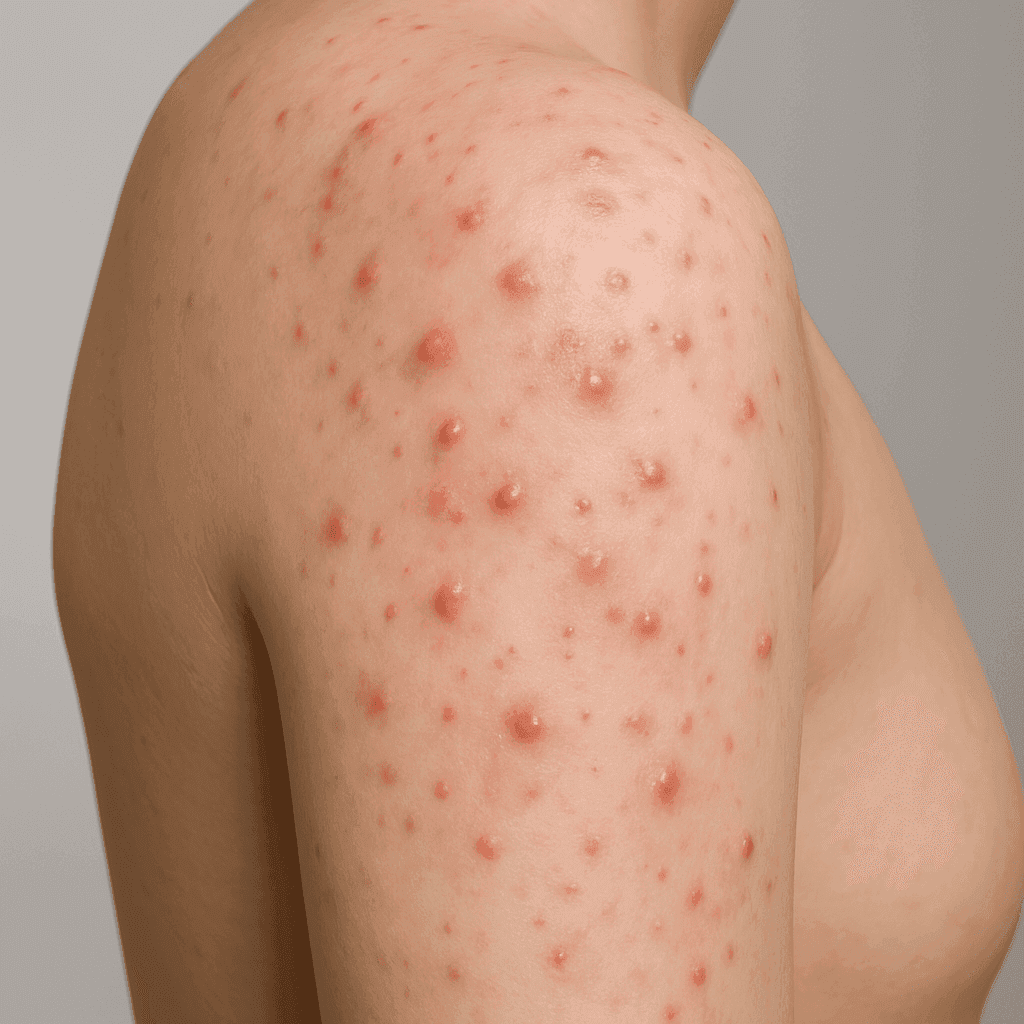
Hormonal acne is a type of acne that is closely linked to fluctuations in an individual's hormonal levels. It typically manifests as deep, cystic lesions that are often painful and occur around the jawline, chin, and lower face. Unlike regular acne, which can be triggered by factors such as poor skincare or excessive oil production, hormonal acne is primarily driven by hormonal changes. These changes can be related to the menstrual cycle, pregnancy, menopause, or conditions such as polycystic ovary syndrome (PCOS).
Causes of Hormonal Acne
Hormonal fluctuations play a significant role in the development of hormonal acne. Androgens, a group of hormones that includes testosterone, can increase the production of sebum, an oily substance that can clog pores and lead to acne. During the menstrual cycle, pregnancy, and menopause, hormone levels can fluctuate significantly, potentially triggering acne outbreaks. Additionally, factors such as stress and diet can exacerbate hormonal imbalances, contributing to the severity of acne.
Symptoms and Identification
Common signs of hormonal acne include deep, painful cysts that occur primarily on the lower half of the face. These breakouts are often cyclical, coinciding with the menstrual cycle or other hormonal changes. Unlike other types of acne, which can appear anywhere on the body, hormonal acne tends to focus on areas rich in oil glands. Differentiating hormonal acne from other types is essential for choosing the right treatment approach.
Treatment Options for Hormonal Acne
Medical Treatments
Dermatologists often recommend prescription medications, such as oral contraceptives, which can help regulate hormone levels and reduce acne. Anti-androgens like spironolactone are also effective in reducing sebum production and controlling acne.
Natural and Over-the-Counter Remedies
Herbal supplements, such as spearmint tea, may offer some benefits in reducing androgen levels. Popular over-the-counter products containing benzoyl peroxide or salicylic acid can help manage acne symptoms by reducing inflammation and unclogging pores.
Lifestyle and Dietary Changes
Diet can have a significant impact on hormonal acne. Reducing the intake of dairy and high-glycemic foods may help in managing acne. Stress management techniques such as yoga and mindfulness can also be beneficial. Adjusting skincare routines to include non-comedogenic products can prevent pore clogging and reduce acne severity.
Preventive Measures
Preventing hormonal acne requires a multifaceted approach. Maintaining a balanced diet, managing stress, and following a consistent skincare routine are crucial. Long-term strategies may include regular check-ups with a dermatologist to monitor hormone levels and adjust treatment as needed.
Hormonal Acne and Mental Health
The psychological impact of acne can be profound, affecting self-esteem and contributing to stress. Holistic treatment approaches that address both the physical and emotional aspects of acne are often the most effective. Support from healthcare professionals, along with mental health resources, can be invaluable in managing the condition.
FAQ
Frequently Asked Questions
What are the best ways to treat hormonal acne naturally?
Natural treatments include dietary changes, stress management, and herbal supplements such as spearmint tea.
Can diet really affect hormonal acne?
Yes, certain foods can influence hormone levels and exacerbate acne. Reducing dairy and high-glycemic foods may help.
How long does it take for hormonal acne treatments to work?
It can take several weeks to months for treatments to show significant results. Patience and consistency are key.
Is hormonal acne a sign of a more serious health issue?
In some cases, hormonal acne can indicate underlying conditions like PCOS. Consulting a healthcare professional is advised.
Are there any specific skincare products recommended for hormonal acne?
Non-comedogenic products containing benzoyl peroxide or salicylic acid are often recommended.
Does hormonal acne go away with age?
Hormonal acne may decrease with age as hormone levels stabilize, but it can persist in some individuals.