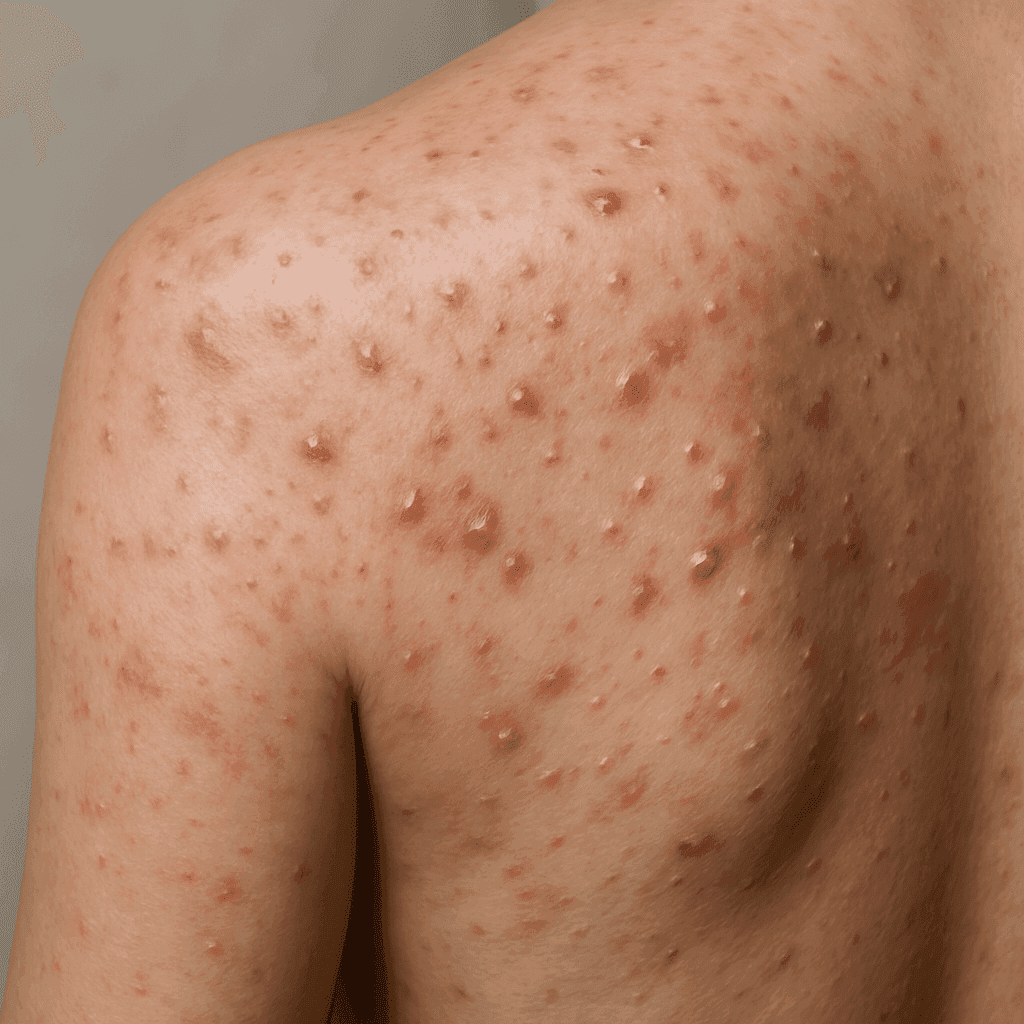
How Climate Factors (Humidity, Smog) Affect Skin Problems
Explore climate's impact on skin health.
Introduction
Climate and environmental factors play a significant role in skin health, influencing everything from hydration levels to the prevalence of certain skin conditions. Understanding how elements such as humidity and pollution, including smog, affect the skin is crucial for effective dermatological care. This article delves into the impact of these factors, offering insights into how they contribute to various skin issues and suggesting ways to manage them effectively.
How Humidity Affects Skin
Humidity is a key factor in skin hydration. High humidity levels can help maintain skin moisture, reducing the risk of dryness and irritation. However, for individuals with oily skin, increased humidity can exacerbate acne by promoting excess oil production. On the other hand, low humidity environments often lead to dry, flaky skin, aggravating conditions such as eczema and dermatitis.
Humidity's Impact on Different Skin Types
- Oily Skin: High humidity can lead to overproduction of sebum, worsening acne.
- Dry Skin: Low humidity can strip the skin of moisture, leading to flakiness.
- Sensitive Skin: Both extremes of humidity can trigger irritation and flare-ups.
The Impact of Smog and Pollution on Skin
Smog, a combination of smoke and fog, is a significant contributor to air pollution. It contains harmful particles that can penetrate the skin barrier, leading to oxidative stress and inflammation. Over time, exposure to smog can cause premature aging, increased sensitivity, and exacerbate conditions like acne and eczema.
Long-term Effects of Pollution
- Premature Aging: Pollution accelerates the breakdown of collagen, leading to wrinkles.
- Skin Sensitivity: Pollutants can weaken the skin barrier, increasing sensitivity.
- Acne and Eczema: These conditions can be aggravated by environmental toxins.
The Science Behind Climate and Skin Health
Research has shown that climate change and its associated environmental stressors directly impact skin health. The skin barrier acts as the first line of defense against external aggressors, but its function can be compromised by factors such as UV radiation, temperature changes, and air pollution.
Climate Change and Dermatological Conditions
- Increased Temperature: Can lead to more frequent acne outbreaks.
- UV Radiation: Heightened exposure contributes to skin cancer risk.
- Research Findings: Studies link higher pollution levels with increased skin inflammation.
Managing Skin Health in Varying Climates
Adapting skin care routines to suit different climates is essential for maintaining healthy skin. In high humidity areas, opting for lightweight, non-comedogenic moisturizers can help manage oil production. Conversely, in drier climates, richer emollients are beneficial for locking in moisture.
Protective Measures Against Pollution
- Cleansing: Use a gentle cleanser to remove pollutants daily.
- Antioxidants: Products containing Vitamin C and E can combat free radicals.
- Sunscreen: Essential for protecting against UV-induced damage.
Conclusion
Awareness of how climate factors impact skin is crucial for effective skincare management. By understanding the effects of humidity, pollution, and other environmental components, individuals can take proactive steps to protect their skin. This includes adapting skincare routines to suit climate conditions and using products designed to shield the skin from environmental stressors.
FAQ
How does humidity affect acne-prone skin?
Humidity can increase oil production, potentially worsening acne.
Can smog cause long-term damage to the skin?
Yes, prolonged exposure can lead to premature aging and sensitivity.
What are the best skin care products for polluted environments?
Products with antioxidants and barrier-repairing ingredients are ideal.
How can I protect my skin from the effects of air pollution?
Regular cleansing, using antioxidants, and applying sunscreen are key steps.
Are there specific diets that can help mitigate climate-related skin issues?
Diets rich in antioxidants, omega-3 fatty acids, and water can support skin health.
How quickly can climate changes affect my skin health?
Changes can occur rapidly, but effects vary based on individual skin types and conditions.